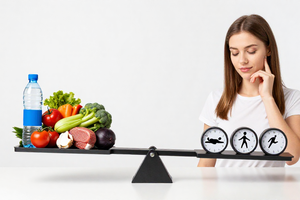

Portion control is a common strategy for anyone trying to lose weight. Reducing the amount of food on your plate often feels like a direct path to a smaller waistline. However, if you are not careful, aggressive or poorly managed portion restriction can backfire. Instead of burning fat, your body may start breaking down muscle tissue for energy. Losing muscle is counterproductive because it slows your metabolism, making it harder to maintain weight loss and keep your body strong.
How do you know if your portion control method is too extreme? Here are three specific symptoms that suggest you might be sacrificing lean mass instead of shedding fat.
1. Your Strength and Stamina Are Dropping
One of the most telling signs of muscle loss is a noticeable decline in physical performance. If you used to easily lift a certain weight at the gym or complete a yoga flow without resting, but now you feel weak or exhausted halfway through, your body may be catabolizing muscle. Muscle tissue requires a steady supply of protein and calories to repair and maintain itself. When you consistently eat too little—especially protein—your body turns to its own muscle stores for fuel. This doesn't just affect your workouts; it can make everyday tasks like carrying groceries or climbing stairs feel harder than they should.
2. You Feel Chronically Tired and Irritable
Muscle is metabolically active tissue, meaning it burns more calories at rest than fat does. When you lose muscle, your resting metabolic rate drops. This often leads to a feeling of persistent fatigue, even if you are sleeping enough. Beyond the physical tiredness, under-eating can cause significant mood swings, irritability, and foggy thinking. Your brain needs a steady stream of carbohydrates and healthy fats to function well. Very low-calorie diets that prioritize tiny portions can starve your nervous system, leaving you feeling low-energy and on edge. This combination of lethargy and crankiness is a red flag that your portion sizes are too restrictive for your body's needs.
3. Your Body Measurements Are Plateauing or Bouncing Back
In the beginning of a strict portion control plan, the scale might drop quickly. This initial loss is often water weight and some glycogen. However, if you are losing muscle, your body composition changes for the worse. You might notice that while the number on the scale stays the same (or even goes down), your waist measurement stops shrinking, or your clothes fit differently. More critically, when you eventually eat a normal meal again, the weight can come back very fast because your fat cells have actually grown more efficient at storing energy. A frustrating cycle of rapid weight loss followed by quick regain is a classic sign that your method is burning muscle, not fat.
How to Shift from Muscle Loss to Fat Loss
If any of these symptoms sound familiar, it does not mean you should abandon portion awareness. It means your approach needs to be smarter. To preserve muscle while losing fat, prioritize protein at every meal, including lean meats, eggs, tofu, or legumes. Keep your calorie deficit moderate—starving yourself will always cost you muscle. Incorporate resistance training (lifting weights or bodyweight exercises) to signal your body that it needs to keep its muscle. Finally, do not fear healthy carbohydrates and fats; they fuel your workouts and support your metabolism.
True fat loss is slower and steadier than muscle loss. By watching for these signs, you can adjust your portion control method so that your body releases fat while keeping your strength and energy intact.