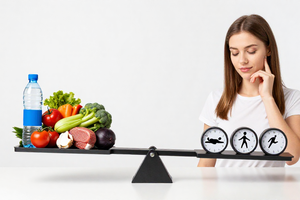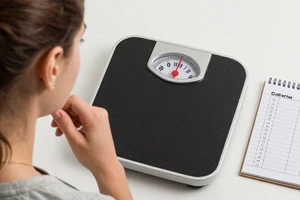

Standing on the scale can be a frustrating ritual, especially when the number doesn’t budge even though you’re exercising and eating well. That stalemate—the dreaded weight-loss plateau—often leads people to question their efforts. But according to fitness experts, the scale is only telling part of the story. What really matters for long-term health and visible results is your body composition: the ratio of fat mass to lean mass (muscle, bone, water, and organs). Two people can weigh the exact same amount but look and feel completely different depending on their body fat percentage. Here’s why focusing on body composition can help you push past plateaus and get the results you’re actually working for.
Why the scale can be misleading
When you start a new exercise routine—especially one that includes strength training or higher-intensity walking—you may gain muscle while losing fat. Muscle is denser than fat, so it takes up less space for the same weight. That means your clothes may fit better and you may look leaner, even if the scale hasn’t moved. The number on the scale also fluctuates with hydration, meal timing, and even time of day. So a plateau on the scale doesn’t necessarily mean a plateau in progress. Instead, consider tracking other markers: how your clothes fit, your energy levels, and objective measurements like waist circumference or body fat percentage if you have access to a reliable method (such as DEXA scans or bioelectrical impedance scales).
The link between brisk walking and body composition
Brisk walking is one of the most underrated tools for improving body composition. Unlike a casual stroll, brisk walking means moving at a pace that raises your heart rate and gets you sweating—typically about 100 steps per minute. It’s accessible, requires little more than a good pair of shoes, and can be done almost anywhere. Research shows that consistent brisk walking can help reduce body fat, improve cardiovascular fitness, and support muscle maintenance. But to really shift body composition, you need to go beyond just walking at a steady pace. Below are expert-backed ways to make your walking routine more effective at changing body composition, not just the number on the scale.
Practical ways to improve body composition with walking
1. Walk uphill or on an incline
Adding an incline—whether you’re walking outdoors on a hill or setting your treadmill to a grade—forces your muscles, lungs, and heart to work harder. This increases calorie burn and challenges your glutes, hamstrings, and calves more than walking on flat ground. Over time, this extra effort can help reduce body fat while also building lower-body muscle. Some studies suggest that walking five times per week at a moderate to vigorous pace can improve heart health and lower LDL (bad) cholesterol. If you’re new to incline walking, start with a low grade and gradually increase it.
2. Try interval walking (a form of HIIT)
High-intensity interval training (HIIT) doesn’t have to mean sprinting or jumping. You can apply the same principle to walking: alternate between 3–5 minutes of fast-paced walking on an incline and 2–3 minutes of slower-paced walking on flat terrain. This type of interval training can help you burn more calories during and after your walk, and it may be particularly effective at reducing visceral fat (the deep belly fat linked to health risks). Aim for a 20- to 30-minute circuit two to three times per week.
3. Add light hand weights or a weighted vest
Carrying light hand weights (start with 1–3 pounds per hand) or wearing a weighted vest can increase the intensity of your walk without throwing off your stride. The extra load forces your muscles to work harder, which can help preserve or even build lean mass while you’re in a calorie deficit. Don’t overdo it—choose a weight that feels challenging but doesn’t cause you to hunch or alter your walking form. For beginners, start with unweighted brisk walks and add resistance slowly.
4. Pay attention to what you eat and drink
No amount of walking will outweigh a poor diet when it comes to body composition. Avoiding highly processed foods, sugary drinks, and excessive refined carbs can help your body become more efficient at burning fat for fuel. Focus on balanced meals with plenty of vegetables, lean protein, healthy fats, and complex carbohydrates. After your walk, choose whole-food options instead of packaged sports drinks or bars. Fresh fruit, a small handful of nuts, or coconut water can replenish energy without adding empty calories. And don’t skip meals—extreme restriction can slow your metabolism and undermine your body composition goals.
Beyond the walk: consistency and patience
Improving body composition isn’t about quick fixes. It’s about creating a sustainable routine that you can stick with over months and years. Brisk walking, combined with smart nutrition and a focus on overall activity, can produce meaningful changes in how you look, feel, and perform—even when the scale seems stuck. Consider taking progress photos, measuring your waist and hips monthly, and noting how your energy and endurance improve. These are better indicators of real progress than a daily weigh-in.
If you’ve hit a plateau, take it as a sign to adjust your approach rather than give up. Small changes—like adding an incline, trying intervals, or cleaning up your diet—can reignite progress. And remember: the goal isn’t a number on a scale. It’s a healthier, stronger, more capable body.