
You’ve been disciplined. You’ve cut calories. You’ve stuck with your routine. And then the scale stops moving. It’s one of the most common—and frustrating—moments in any weight loss journey. A plateau doesn’t mean you’ve failed; it usually means your body has adapted and your current approach needs a targeted adjustment.
Instead of cutting more calories, which can backfire by slowing your metabolism further, the smartest move is to change what you’re eating, not just how much. The goal is to reset your body’s satiety signals while keeping your calorie budget comfortable. Here are four foods that deliver high satiety—meaning they keep you full and satisfied for longer—so you can push through a stall without feeling deprived.
1. Eggs
Eggs are a classic for a reason. They pack high-quality protein and healthy fats into a small package, which directly affects hunger hormones. Studies show that eating eggs for breakfast can lead to significantly lower calorie intake later in the day compared to a refined-carbohydrate meal like a bagel or cereal. The protein content, particularly the amino acids in the yolk, helps reduce ghrelin (the hunger hormone) and boosts GLP-1 and PYY, which promote fullness.
When your weight loss stalls, try shifting a larger portion of your daily protein to earlier meals. Two or three eggs with vegetables is a low-calorie, high-satiety start that naturally cuts down on grazing later.
2. Legumes (Lentils, Chickpeas, and Beans)
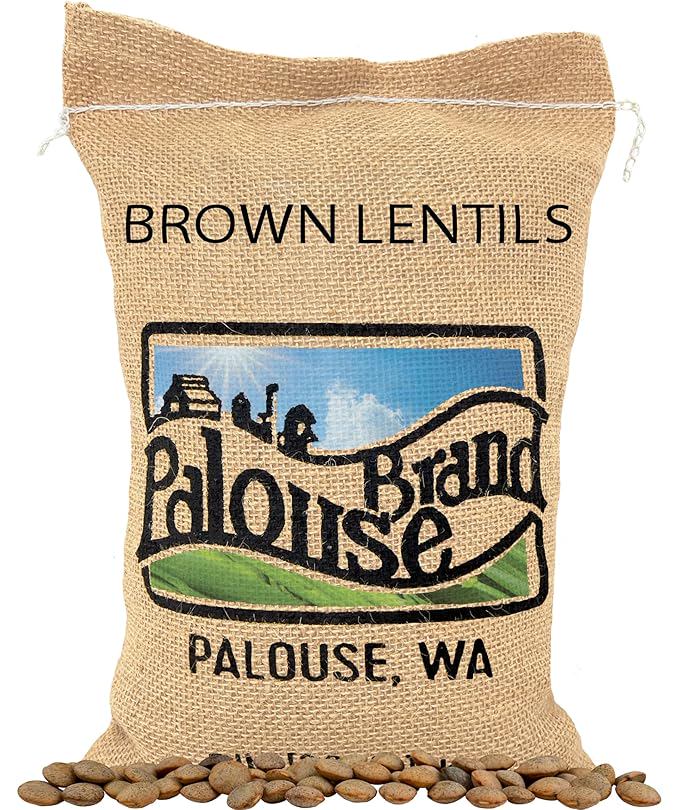
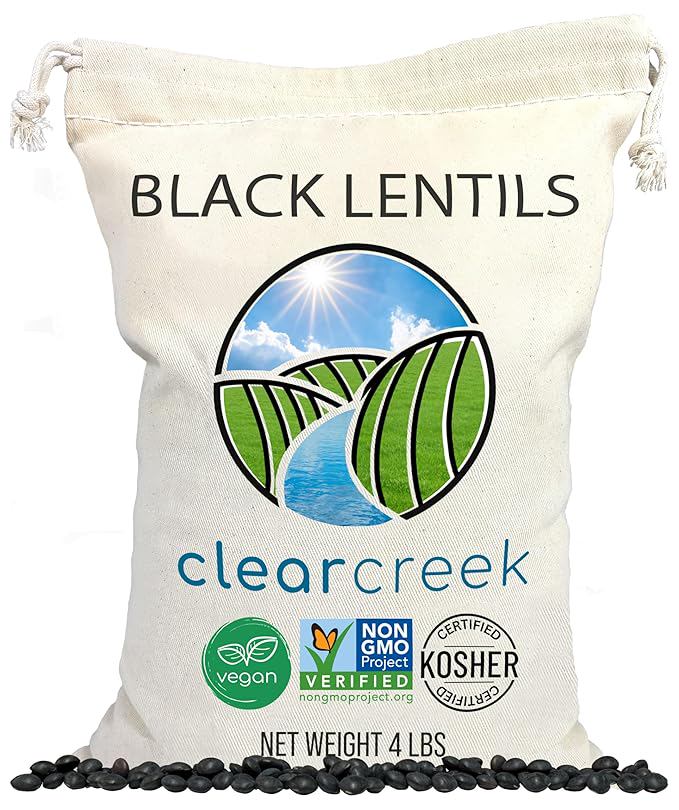
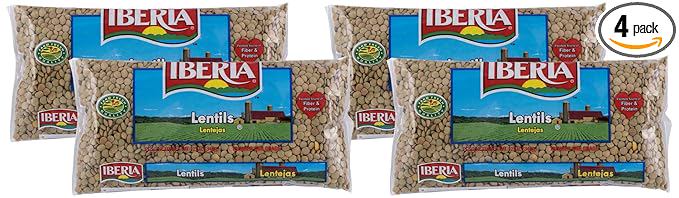
Legumes are an underrated tool for breaking a plateau. They are a rare combination: rich in fiber and plant-based protein, with a low energy density. That means you can eat a satisfying volume of them for relatively few calories. The soluble fiber in beans and lentils forms a gel in your gut that slows digestion, keeping blood sugar stable and staving off hunger for hours.
A study in the journal Obesity found that adding just one serving of legumes daily (about ¾ cup) significantly improved weight loss outcomes compared to a similar-calorie diet without them. They are also incredibly versatile—add chickpeas to salads, lentils to soups, or black beans to a wrap. The fiber boost alone can help shift a stalled intestine-based energy balance.
3. Fatty Fish (Salmon, Mackerel, Sardines)
Fatty fish are not interchangeable with lean white fish when it comes to satiety and metabolic health. The omega-3 fatty acids found in salmon, mackerel, and sardines have a direct role in regulating appetite and improving insulin sensitivity. Insulin sensitivity matters during a plateau because a resistant state makes it easier for your body to store fat rather than burn it for fuel.
Omega-3s also lower inflammation, which can subtly hinder metabolic rate. A 4-ounce serving of wild salmon provides about 30 grams of protein plus significant omega-3s, making it one of the most satiating proteins you can eat. Pair it with non-starchy vegetables and a bit of avocado for a meal that keeps you full for five to six hours—long enough to avoid the afternoon vending machine trap.
4. Potatoes (Boiled or Baked, Not Fried)
Potatoes have an unfairly bad reputation in diet culture, but they are actually one of the most satiating foods ever measured in satiety index studies. When eaten boiled or baked (with the skin on), potatoes score higher than any other category of food. The key is the resistant starch that forms when potatoes are cooked and then cooled—this starch resists digestion in the small intestine, feeding beneficial gut bacteria and increasing the feeling of fullness.
Avoid mashed potatoes loaded with butter or fried versions. Instead, eat a plain baked potato with herbs and a little salt, or roasted potato wedges with olive oil. The high water and fiber content give you volume without a calorie bomb. If you’ve been avoiding carbs because the scale stalled, reintroducing a moderate portion of whole potato at dinner often helps break the stagnation by restoring sleep quality and thyroid hormone activity.
How to Use These Foods in a Plateau-Busting Strategy
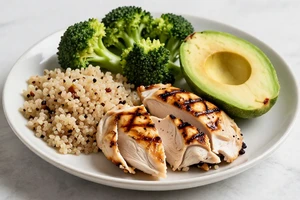
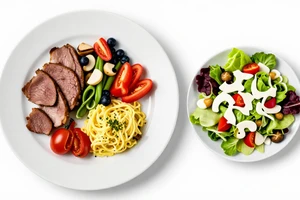
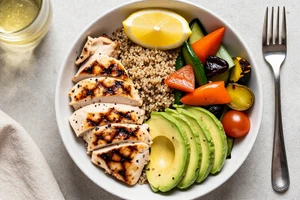
Eating these foods on their own won’t reset anything if the rest of your diet is chaotic. The tactical shift is about replacing lower-satiety options (like refined grains, fruit juice, or processed snacks) with these four categories. For one week, build each meal around a protein source (eggs or fish) and a fiber-rich carbohydrate (legumes or potato). Keep the rest of the plate filled with non-starchy vegetables. This composition naturally lowers calorie density while keeping your gut full and your blood sugar even.
Also, check your hydration. Sometimes the body interprets thirst as hunger, especially during a plateau when metabolic water shifts occur. Drink water consistently between meals and consider swapping one snack for a cup of herbal tea.
When to Look Beyond Food
High-satiety foods are powerful, but they are not magic. If you have been in a plateau for longer than two to three weeks despite consistent calorie alignment, check sleep duration, stress levels, and activity variety. Lack of sleep raises cortisol, and chronic stress blunts fat oxidation. Your diet can only do so much if these two factors are working against you. A brisk walk after dinner or adding resistance training twice a week often reawakens a stalled metabolism more effectively than tweaking breakfast again.