When you’re focused on losing weight, it’s natural to think about cutting calories. But what you choose to eat during that process can profoundly influence how you feel, how much energy you have, and how effectively your body manages its own energy systems. Supporting your metabolism isn’t about finding a magic food that speeds it up; it’s about providing your body with the consistent, high-quality fuel it needs to function well, even in a calorie deficit. The right foods can help preserve muscle, stabilize energy, and keep you feeling satisfied, making your weight loss journey more sustainable and less of a struggle.
Think of your metabolism as the complex engine that converts food into energy. During weight loss, you’re asking that engine to run on slightly less fuel. The goal is to keep it running smoothly and efficiently, not to stall it out. The foods highlighted here are chosen for their nutrient density—they deliver a powerful package of protein, fiber, healthy fats, and key vitamins and minerals relative to their calories. This approach helps protect your metabolic health by maintaining muscle mass, which is metabolically active tissue, and by preventing the drastic dips in blood sugar that can lead to fatigue and cravings.
Why Protein Is a Priority
If there’s one nutrient to pay special attention to while losing weight, it’s protein. It plays a starring role for several reasons. First, your body burns more calories digesting protein than it does digesting carbs or fats—a process called the thermic effect of food. More importantly, adequate protein intake is crucial for preserving lean muscle mass. When you lose weight, you can lose both fat and muscle. Since muscle tissue burns more calories at rest than fat tissue does, preserving it helps maintain your metabolic rate.
Aim to include a source of protein at every meal and snack. This doesn’t mean you need heaping plates of meat. Consistency and variety are key.
- Lean animal proteins: Chicken, turkey, fish, eggs, and Greek yogurt.
- Plant-based proteins: Lentils, chickpeas, black beans, tofu, tempeh, and edamame.
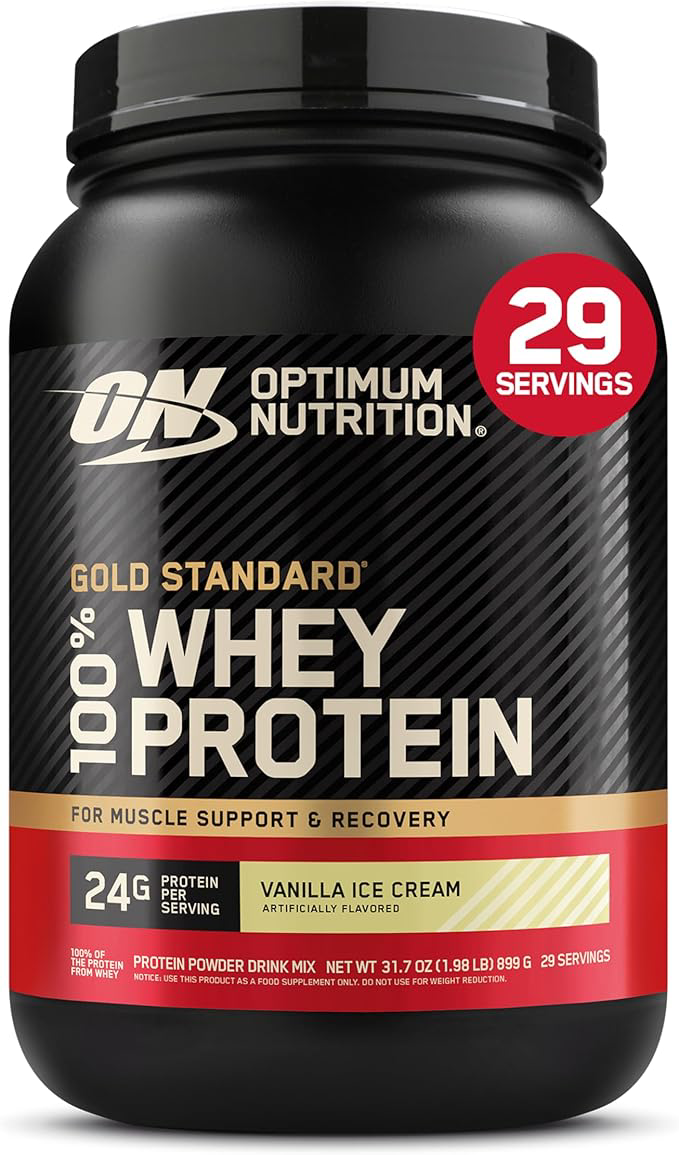
- Other sources: Cottage cheese, whey or plant-based protein powders (useful for convenience), and even certain grains like quinoa.
A palm-sized portion of protein at meals is a simple, practical guideline to start with.
The Steadying Power of Fiber
Fiber is your ally for creating a feeling of fullness and promoting stable blood sugar levels. When blood sugar spikes and crashes, it can leave you feeling drained and hungry soon after eating, which is counterproductive during weight loss. Fiber-rich foods slow down digestion, leading to a more gradual release of energy.
There are two types to consider, both beneficial. Soluble fiber, found in foods like oats, apples, and beans, can help manage cholesterol. Insoluble fiber, found in vegetables, whole grains, and nuts, adds bulk and supports digestive regularity. Most whole plant foods contain a mix of both.
Simple Ways to Boost Your Fiber Intake
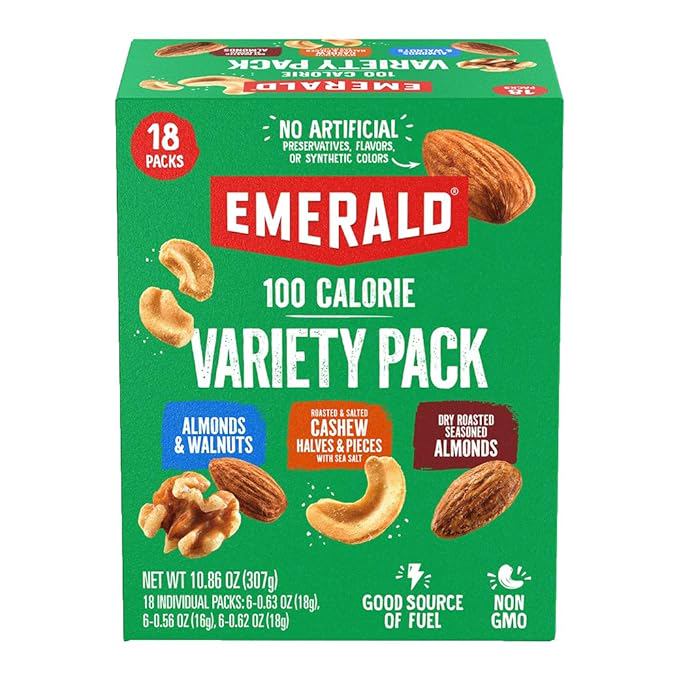
Start your day with oatmeal or a high-fiber cereal. Keep the skins on your potatoes and apples. Add a handful of spinach or kale to smoothies. Choose whole grains like brown rice, quinoa, or whole-wheat bread over refined versions. Snack on raw vegetables, berries, or a small handful of nuts.
Don’t Fear Healthy Fats
In the past, fat was unfairly villainized. We now understand that healthy fats are essential for hormone production, including hormones involved in metabolism and satiety. They also help your body absorb fat-soluble vitamins (A, D, E, and K) and add richness and flavor to meals, which contributes to satisfaction.
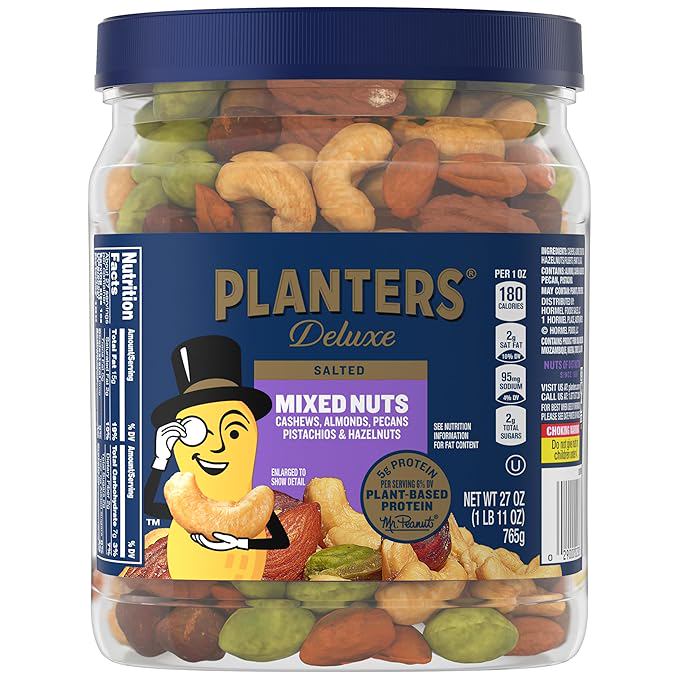
The focus should be on unsaturated fats. Include sources like avocados, olive oil, nuts, seeds, and fatty fish such as salmon and mackerel. These fats provide sustained energy and can help keep hunger at bay between meals.
Foods to Feature Regularly
Building your meals around these metabolism-supportive foods creates a solid nutritional foundation.
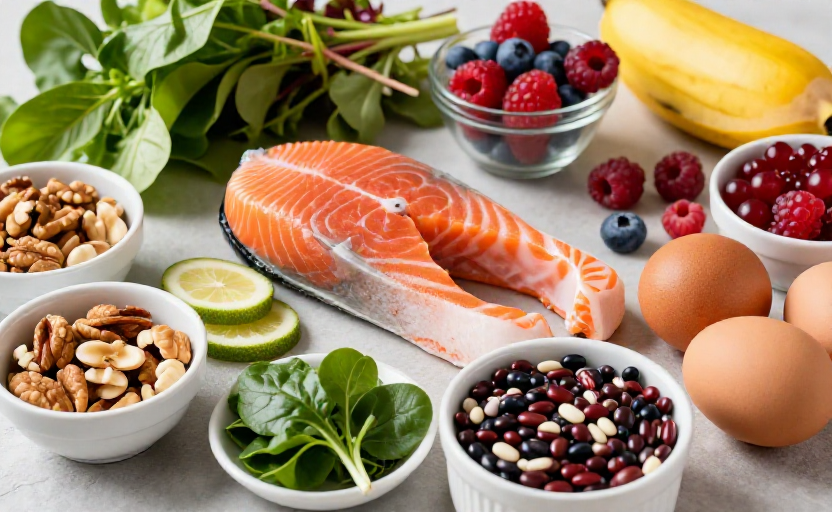
Legumes (Beans & Lentils): A unique combination of plant-based protein and fiber, making them incredibly satisfying and blood-sugar friendly.
Leafy Greens: Spinach, kale, and Swiss chard are packed with vitamins, minerals, and fiber for very few calories.
Berries: Lower in sugar than many fruits and high in fiber and antioxidants, they’re a smart way to satisfy a sweet craving.
Eggs: A complete protein containing all essential amino acids, plus nutrients like choline, which supports liver function—a key metabolic organ.
Green Tea: While not a food, it’s worth mentioning. It contains compounds like catechins that may offer a slight metabolic boost, but more importantly, it’s a zero-calorie, hydrating alternative to sugary drinks.
Hydration and Meal Timing
Two supporting actors in this process are often overlooked: water and consistency. Even mild dehydration can slow down bodily processes. Drinking water throughout the day is essential, and some studies suggest it may temporarily increase calorie burning.
While meal frequency (three meals vs. six small meals) is highly individual, avoiding long periods of extreme hunger is wise. Letting yourself become ravenous often leads to less mindful food choices. Eating at somewhat regular intervals helps maintain steady energy and prevents overcompensation later.
Supporting your metabolism during weight loss is less about strict rules and more about strategic nourishment. By prioritizing protein, fiber, and healthy fats from whole food sources, you provide your body with the tools it needs to manage energy efficiently, protect muscle, and keep you feeling your best. This approach turns your diet into a supportive framework for your goals, not just a restrictive plan.