
If you practice yoga regularly, you know the feeling: a dull ache in the wrists after a few rounds of Downward Dog, or sharp ping during a handstand press. Wrist strain is one of the most common complaints among yogis, especially as we incorporate props like blocks, straps, and wheels that change the angle and load on our joints. While alignment adjustments and strengthening exercises are essential, what you put on your plate can play a significant supporting role. Let's look at the nutrients and foods that help your wrists handle the pressure.
Why your wrists need more than rest
Your wrist is a complex intersection of bones, ligaments, tendons, and cartilage. When you put weight on your hands in poses like Plank or Crow, the structures around the carpal bones take a beating. Repeated compression and extension can lead to inflammation and wear. Anti-inflammatory and tissue-supportive nutrients can help the body manage that stress more efficiently. This isn't about curing an injury—it's about giving your connective tissues the raw materials they need to stay resilient.
The role of collagen and vitamin C
Collagen is the main structural protein in tendons and ligaments. Your body makes it, but production slows with age and under physical stress. To support the collagen in your wrist joints, you need adequate vitamin C. It’s a cofactor for collagen synthesis—without it, the protein fibers don’t form properly. Eating bell peppers, citrus fruits, kiwis, and broccoli with protein-rich foods can boost that repair process.
Aim to pair your vitamin C sources with a quality protein source. A chicken salad with red pepper strips or a lentil bowl with a squeeze of lemon are practical, everyday pairings. For a quick option, try an orange with a handful of almonds.
Omega-3 fatty acids for joint lubrication
Inflammation is a natural part of tissue adaptation, but chronic inflammation in the wrist can prolong recovery and stiffen the joint. Omega-3 fatty acids (specifically EPA and DHA) help regulate the inflammatory response. They are found most densely in fatty fish like salmon, sardines, mackerel, and anchovies. Plant-based sources like flaxseeds, chia seeds, and walnuts provide ALA, which your body converts to EPA and DHA—though less efficiently.
A simple practice: include two servings of fatty fish per week, or supplement with a high-quality algae-based omega-3 if you follow a plant-based diet.
Vitamin D and calcium for bone density
The bones in your wrist—specifically the radius, ulna, and carpal bones—need adequate mineral density to withstand load. Vitamin D is critical for calcium absorption and bone remodeling. Without enough D, your body can’t deposit calcium into bone tissue effectively. This is especially relevant for yogis who practice inversions and arm balances, where wrist bones bear substantial weight.
Sunlight is the best source, but dietary sources include fortified dairy or plant milks, egg yolks, and fatty fish. Calcium-rich foods include dairy, leafy greens (collard greens, kale), and fortified tofu.
Magnesium: the unsung hero for muscle and nerve function
Magnesium plays a dual role. It helps muscles relax after contraction, which can ease forearm tension that transfers into the wrist. It also supports nerve signaling and reduces the perception of pain in overworked tissues. If your forearms cramp or feel tight during arm balances, low magnesium might be a hidden factor.
Good dietary sources: dark chocolate (70% or higher cacao), almonds, spinach, pumpkin seeds, and black beans. Magnesium is easily lost through sweat, so active yogis may need more than the standard RDA.
Hydration and its impact on joint glide
Dehydration directly affects the synovial fluid that lubricates your joints. When you're even slightly dehydrated, the fluid becomes less viscous, increasing friction in the wrist joint. This can make existing strain feel worse. The simple fix is consistent water intake before and after practice. For deeper support, add a pinch of high-quality sea salt or electrolyte drops to your water—especially if you practice hot yoga.
Hydration isn't just about water. Electrolytes like sodium, potassium, and chloride help your muscles and nerves communicate properly during weight-bearing poses.
Putting it together: meal patterns that support wrist health
You don't need a special 'wrist health' meal plan. Instead, focus on a varied, whole-foods diet that covers the nutrients above on a daily basis. A sample day might include:
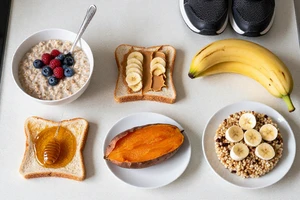
- Breakfast: Oatmeal with chia seeds, berries (vitamin C), and a sprinkle of pumpkin seeds (magnesium).
- Lunch: Spinach salad with grilled salmon (omega-3, vitamin D), bell peppers, and a lemon-tahini dressing.
- Snack: A square of dark chocolate and an orange.
- Dinner: Stir-fried tofu with broccoli (calcium, vitamin C) and brown rice.
Consistency matters more than perfection. If you eat for general anti-inflammatory and connective-tissue support most days, your wrists will be better equipped to handle the demands of your practice.
A note on timing
Digestion takes energy, so a heavy meal right before practice can actually decrease performance and increase injury risk. Aim to eat a balanced meal 2-3 hours before class, or a small snack (like a banana with almond butter) 30-60 minutes beforehand if you need energy. Focus on the supporting nutrients throughout the day and post-practice recovery meals for the best effect.
Ultimately, what you eat is one piece of the puzzle. Proper alignment, gradual progression in arm balances, and using props correctly (like placing blocks under your hands in Downward Dog to reduce wrist angle) remain foundational. But a diet rich in these specific nutrients can help your wrists stay resilient so you can keep practicing—and keep challenging yourself—safely.