Losing weight is a significant achievement, but keeping it off can feel like an entirely different challenge. Many people find that the pounds creep back on after a diet ends, often because the approach that helped them lose weight wasn't sustainable for the long haul. Dietitians emphasize that what you eat during the maintenance phase matters just as much as what you ate to lose weight in the first place. The goal is to shift from a restrictive mindset to a nourishing, balanced way of eating that supports your new weight and your overall health.
Instead of returning to old habits, think of weight maintenance as its own distinct stage. It requires a different nutritional strategy—one that prioritizes satiety, steady energy, and metabolic health. Here, we break down the specific foods and eating patterns that registered dietitians recommend to help prevent weight regain and keep you feeling your best.
Why Weight Regain Happens
Understanding the biology behind weight regain can help you choose the right foods. When you lose weight, your body undergoes several changes. Your resting metabolic rate (the calories you burn at rest) often decreases, and your body produces more of the hunger hormone ghrelin while reducing levels of leptin, the hormone that signals fullness. This combination means you naturally feel hungrier and burn fewer calories than you did before the weight loss.
This biological pushback is why a maintenance diet needs to be strategically different from a weight-loss diet. The focus shifts from a calorie deficit to nutrient density and satiety—choosing foods that keep you full and satisfied for longer, so you can eat enough to feel good without tipping back into a surplus.
Prioritize Protein at Every Meal
Protein is the single most important nutrient for weight maintenance. It has a high thermic effect (your body burns calories digesting it), it supports muscle mass, and it is the most satiating macronutrient. Keeping your muscle mass high is critical because muscle tissue burns more calories at rest than fat tissue does. When you lose weight, some muscle loss is inevitable, but a protein-rich diet can help you retain it.
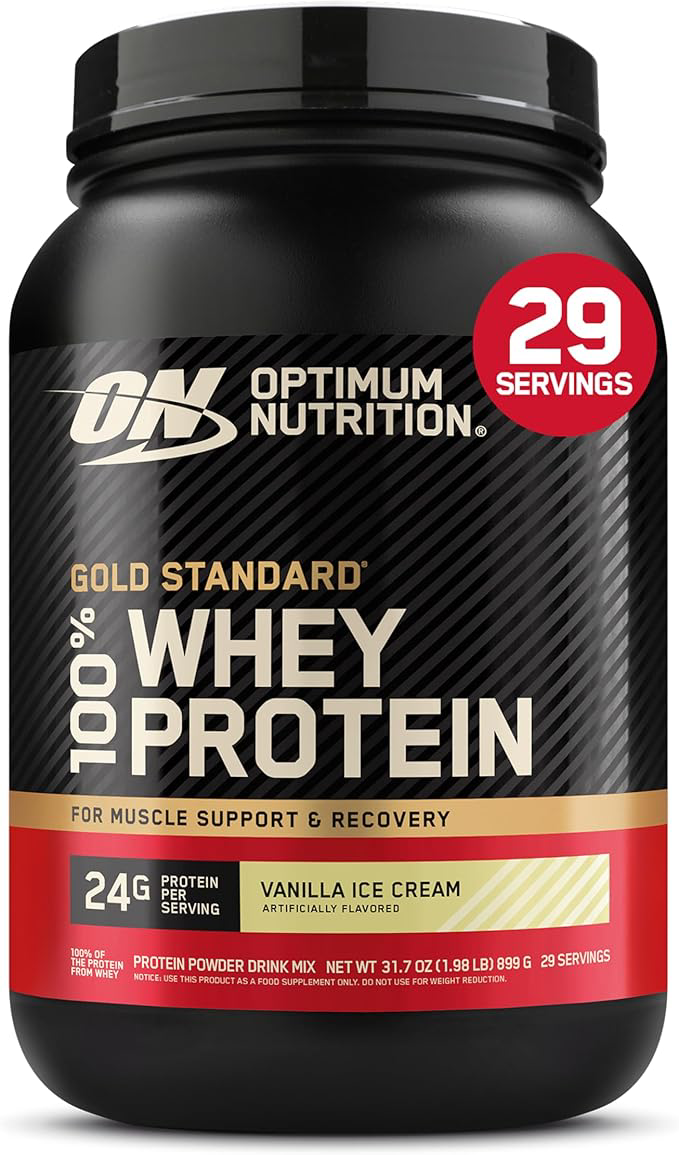
Dietitians recommend spreading your protein intake evenly across meals. Good sources include lean poultry, fish, eggs, Greek yogurt, cottage cheese, legumes, tofu, and edamame. Aim for a palm-sized portion at each meal, roughly 20–30 grams. This pattern helps stabilize blood sugar and keeps cravings at bay.
Load Up on Fiber-Rich Vegetables and Whole Grains
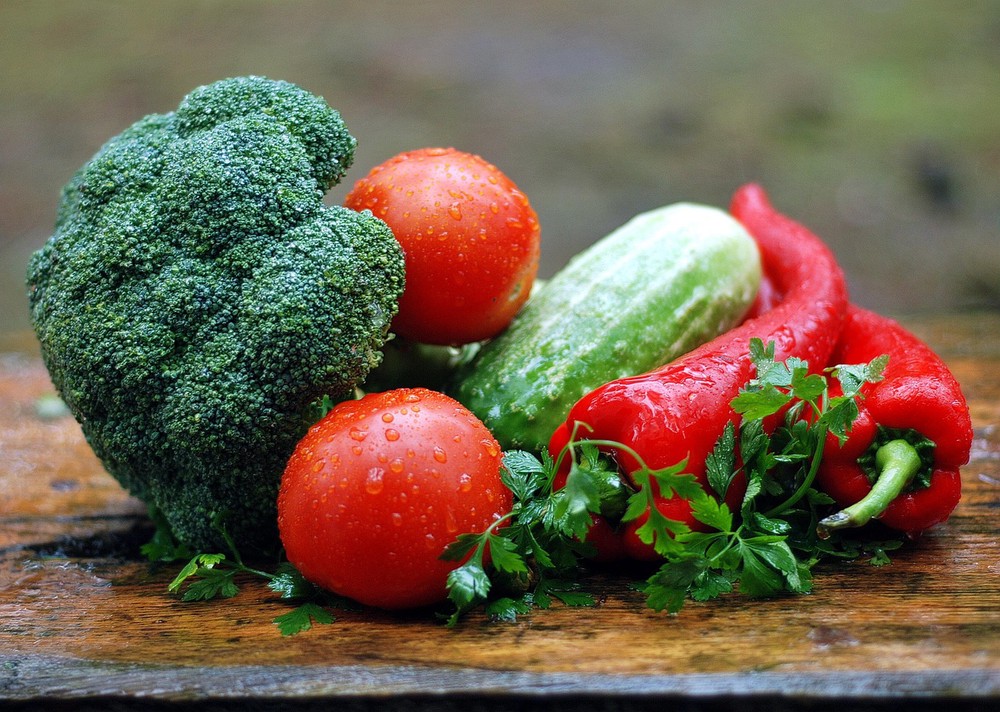
Fiber is the other powerhouse for preventing regain. It adds bulk to your meals without many calories, slows digestion, and helps regulate appetite hormones. Non-starchy vegetables like leafy greens, broccoli, bell peppers, and cauliflower are excellent choices because they fill your plate without overloading on calories. You can eat a large volume of these foods and feel full, which makes it easier to stick to your maintenance calories.
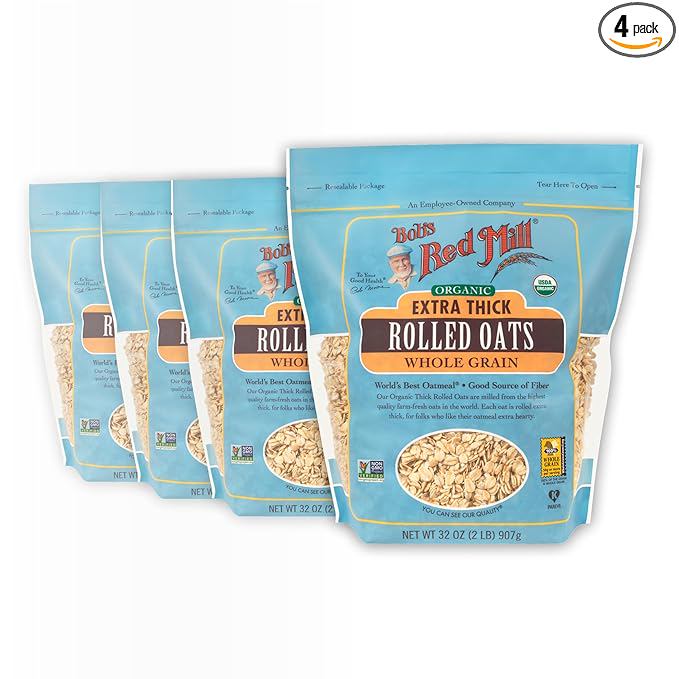
Whole grains such as oats, quinoa, brown rice, and barley also provide fiber and complex carbohydrates that fuel your body and mind. Unlike refined carbs, which can cause blood sugar spikes and crashes that trigger hunger, whole grains provide steady, lasting energy. A good rule of thumb is to make half your plate vegetables and a quarter whole grains, with the remaining quarter for protein.
Healthy Fats for Satiety and Hormone Balance
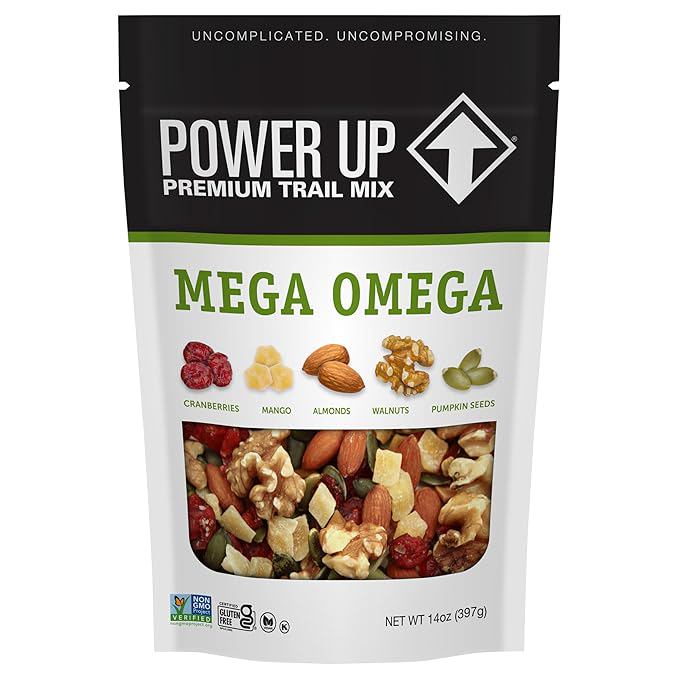
Fat is not the enemy during maintenance. In fact, healthy fats play a crucial role in keeping you satisfied and supporting hormone function, including the hormones that regulate appetite. The key is to choose unsaturated fats and use them in moderate amounts. Avocado, nuts, seeds, olive oil, and fatty fish like salmon are all excellent options.
Including a small serving of healthy fat with each meal can help you feel mentally and physically satisfied. For example, a drizzle of olive oil on your vegetables, a sprinkle of almonds on your oatmeal, or half an avocado with your scrambled eggs can make a real difference in how long you feel full between meals.
Don't Skip the Fermented Foods
Gut health is an emerging area of interest in weight management. A healthy gut microbiome can influence how your body extracts energy from food, how it stores fat, and even how hungry you feel. Fermented foods like yogurt, kefir, sauerkraut, kimchi, and kombucha are natural sources of probiotics, which support a diverse and healthy gut flora.
When combined with prebiotic fibers (found in foods like garlic, onions, leeks, asparagus, and bananas), these foods can create an environment in your gut that is more favorable to maintaining a healthy weight. This doesn't mean you need to eat a serving of kimchi at every meal, but incorporating one or two servings of fermented foods into your week is a simple, powerful step.
How to Structure Your Day for Success
Beyond specific foods, the way you structure your eating can help prevent regain. Many dietitians suggest avoiding long stretches without food, which can lead to intense hunger and overeating later. Eating three balanced meals and one or two snacks, spaced evenly throughout the day, helps keep your blood sugar stable and your appetite in check.
Another critical habit is mindful eating. Paying attention to your hunger and fullness cues, eating without distractions, and taking time to chew your food can help you naturally eat the right amount. This is not about rigid rules but about building a sustainable relationship with food that supports your health for years to come.
“The most effective maintenance diet is one that fits your life, includes foods you enjoy, and does not feel like a punishment. Consistency beats perfection every time.”
Final Thoughts from the Experts
The best way to prevent weight regain is to view maintenance not as a temporary phase but as a new normal. The foods that help you stay at your goal weight are the same foods that reduce your risk of chronic disease, boost your energy, and improve your mood. There is no single magic food, but a pattern of eating that emphasizes protein, fiber, healthy fats, and gut-friendly foods is the closest thing to a reliable strategy.
Small, consistent choices—like choosing water over sugary drinks, adding a vegetable to every meal, and keeping nutritious snacks on hand—add up over time. If you slip up, the most important thing is to get back on track at the next meal, not to abandon your efforts entirely. The goal is progress, not perfection.