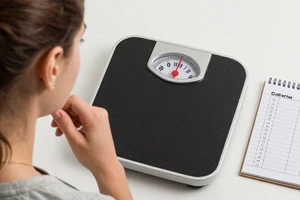

You have been eating well and moving more for weeks. The scale moved steadily at first, and then it stopped. Nothing changed. Not your routine, not your effort, and yet the number stayed exactly the same. This is the weight loss plateau, and it happens to almost everyone. But here is the thing: most of what we think we know about plateaus is wrong. Believing these myths keeps you stuck far longer than the actual plateau ever would.
Let’s clear up six common misconceptions so you can move past the stall with a smarter, calmer approach.
Myth 1: A plateau means your diet isn’t working
When the scale stops dropping, the first thought is often panic—did I waste all that effort? But a plateau is not a sign of failure. It is a sign that your body has adapted to your current routine. Weight loss, especially after the first few weeks, naturally slows because your body needs fewer calories to maintain a lower weight. That does not mean your diet is broken. It means you need a small adjustment, not a complete overhaul. Stick with your core habits and look for tiny tweaks in portion sizes or meal timing rather than throwing out what worked.
Myth 2: You must eat far less to break through
This is the most common—and most damaging—myth. Severely cutting calories may cause a temporary drop on the scale, but it often backfires. When you drop your intake too low, your metabolism slows down even more, and you lose muscle along with fat. You also feel tired, hungry, and more likely to binge later. Instead of slashing calories, focus on nutrient density. Emphasize protein, fiber, and vegetables that keep you full and support muscle maintenance. A modest reduction of 100 to 200 calories per day is usually enough. Drastic cuts are rarely needed.
Myth 3: You have to do more cardio
Many people respond to a plateau by adding extra hours on the treadmill. More cardio can increase calorie burn, but it also increases appetite and fatigue. Your body becomes efficient at repetitive movement, meaning you burn fewer calories for the same effort over time. A better approach is to vary your training. Add two or three days of resistance training each week. Lifting weights or doing bodyweight exercises like squats, lunges, and push-ups helps preserve muscle, which keeps your resting metabolism higher. Muscle tissue burns more calories at rest than fat. So even a short strength session can shift your energy balance more effectively than an extra hour of jogging.
Small shifts, not big overhauls, usually break plateaus.
Myth 4: Water weight is not real—you are just gaining fat
When the scale stalls, many assume they have secretly gained fat. But day-to-day weight fluctuates for many reasons besides fat. Hormonal changes, sodium intake, carbohydrate storage, and hydration status all affect water retention. Carbs, for example, are stored with water in your muscles. If you eat more carbs one day, you may hold extra water, and the scale goes up. That is not fat gain. It is simply your body holding fluid. If you have been consistent with your habits and your clothes still fit, the plateau is likely water-related. Give it a few days, drink plenty of water, and let your body rebalance before you change anything.
Myth 5: You need to do a detox or cleanse
Celebrities and social media influencers often promote detox teas, juice cleanses, or fasting protocols as a way to “reset” your metabolism. The truth is, your body already has its own detox system—your liver and kidneys. No cleanse can speed that up in a meaningful way. Most cleanse programs cause rapid water loss and a low-calorie state, which leads to a quick drop on the scale. But that drop is temporary. Once you return to normal eating, the weight usually comes back just as fast. Instead of a short-term fix, focus on foods that support your body’s natural processes: leafy greens, whole fruits, lean proteins, and plenty of plain water. That is the only reset you need.
Myth 6: Plateaus mean you have reached your set point permanently
Some people believe that once you hit a plateau, your body has settled at a “set point” that you cannot change. While it is true that your body resists large, rapid changes, that does not mean you are stuck forever. Set points are not fixed for life. They respond to gradual changes in body composition, activity levels, and eating patterns. If you continue to build muscle, improve your sleep, and manage stress, your body will eventually adjust. Patience and consistency are more important than intensity. A plateau that lasts two or three weeks is frustrating, but it is also completely normal. Keep going, make one small adjustment, and trust the process.
Breaking a plateau rarely requires a dramatic overhaul. Most of the time, it just needs a few thoughtful shifts and the confidence to keep going. The myths you have heard only add stress and make you more likely to abandon your plan. Now that you know the truth, you can move forward without second-guessing every bite or every rep.