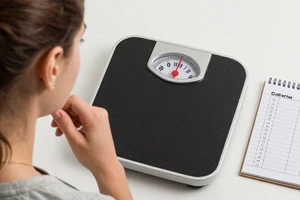

You've been diligent with your diet. The calorie count is low, you're saying no to treats, and you're working out consistently. Yet the scale refuses to budge. It's frustrating, and the common advice is to assume your metabolism has slowed down. But what if the opposite is true? What if you're not eating enough?
This counterintuitive concept is more common than you think. When you drastically reduce calories, your body can enter a protective, energy-saving state. It adapts to the scarcity, and that adaptation often looks and feels like a metabolism problem. Here are two specific symptoms that suggest your weight loss stall is actually a sign of undereating, not a sluggish metabolism.
Symptom 1: You Feel Cold All the Time
If you find yourself reaching for a sweater while others are comfortable, pay attention. Your body generates heat by burning fuel (food). When you consistently under-eat, your system doesn't have enough fuel to maintain your core temperature efficiently. This isn't just a minor chill; it's a physiological signal that your body is down-regulating non-essential processes to conserve energy.
This feeling of being cold is linked to a drop in your resting metabolic rate. Your body is essentially trying to burn fewer calories because it perceives a famine. While the popular narrative blames a slow metabolism for weight gain, in this scenario, a slowed metabolism is a response to undereating. You're not gaining weight because your metabolism is broken; you're not losing it because your body has put the brakes on.
A persistent chill, especially in your hands and feet, is often your body's way of saying it's running on low reserves.
Symptom 2: Your Sleep Quality Has Plummeted
Another major clue is disrupted sleep. You might have trouble falling asleep, wake up frequently during the night, or feel exhausted even after a full night in bed. This is deeply connected to your stress hormones, particularly cortisol. Chronic undereating is a physical stressor, and it can keep cortisol levels elevated.
High cortisol at night interferes with the natural sleep cycle. It can suppress the production of melatonin (the sleep hormone) and keep your brain in a more alert state. Poor sleep, in turn, further disrupts the hormones that regulate appetite—ghrelin and leptin—creating a vicious cycle where you're tired, hungry for the wrong things, and your metabolism remains suppressed. If you're eating very little but sleeping worse than ever, it's a strong indicator that your body is stressed by the lack of fuel.
What to Do Instead of Cutting More Calories
If these symptoms resonate with you, the solution isn't to push harder. It's to recalibrate. The goal is to signal safety back to your body. Here are a few practical steps, keeping in mind that this is general wellness education and not personalized medical advice.
- Prioritize protein and healthy fats. These nutrients are crucial for satiety, hormone production, and signaling to your body that it's well-fed. A diet too high in carbs or overly restrictive in fat can contribute to metabolic slowdown.
- Eat enough to support your activity. If you're exercising intensely, you need more fuel, not less. Restricting calories too far below your total daily energy expenditure (TDEE) backfires.
- Consider a reverse diet. This involves slowly increasing your calorie intake over several weeks. The idea is to boost your metabolism without rapid fat gain, gradually moving out of the energy-deficient state.
- Focus on nutrient density. Swap out empty calories for whole foods—vegetables, fruits, lean proteins, and whole grains. This ensures every calorie works for you regarding vitamins and minerals.
The most important mindset shift is this: a weight loss plateau doesn't always mean you need to eat less. Sometimes, it's a clear sign that you need to eat more—and better. Your body is smart. When you listen to it, you can break the stall by providing it with the consistent nourishment it needs to let go of stored energy.