Feeling overwhelmed often sends us reaching for the quickest, most comforting bite—which, let's be honest, isn't usually a kale salad. But what if the right foods could be a genuine part of your stress-management toolkit? Nutrition doesn't solve everything, but it can provide foundational support for your nervous system and brain chemistry, helping you feel more grounded and resilient. The goal isn't perfection; it's about making gentle, supportive choices that help your body handle pressure with a bit more ease.
When we're stressed, our bodies burn through certain nutrients faster and our hormonal balance shifts. Choosing foods rich in specific vitamins, minerals, and healthy fats can help replenish what's lost and promote a calmer, more focused state of mind. Think of it as dietary first aid for your frazzled nerves.
How Food Can Influence Stress and Focus
It's a two-way street. Stress affects what we crave and how we digest, and what we eat influences our stress response. Foods high in refined sugars and unhealthy fats can cause blood sugar spikes and crashes, mimicking or exacerbating feelings of anxiety and fatigue. Conversely, foods rich in magnesium, B vitamins, omega-3 fatty acids, and antioxidants help regulate cortisol (the primary stress hormone), support neurotransmitter production (like serotonin and dopamine), and protect brain cells from oxidative stress. This isn't about a magical cure, but about stacking the deck in your favor by giving your body the building blocks it needs to maintain equilibrium.
Five Foods to Support Calm and Concentration
These aren't exotic superfoods, but accessible, whole foods with solid nutritional profiles for nervous system support. Incorporating them can be a simple, tangible step toward feeling more centered.
1. Fatty Fish (like Salmon, Mackerel, and Sardines)
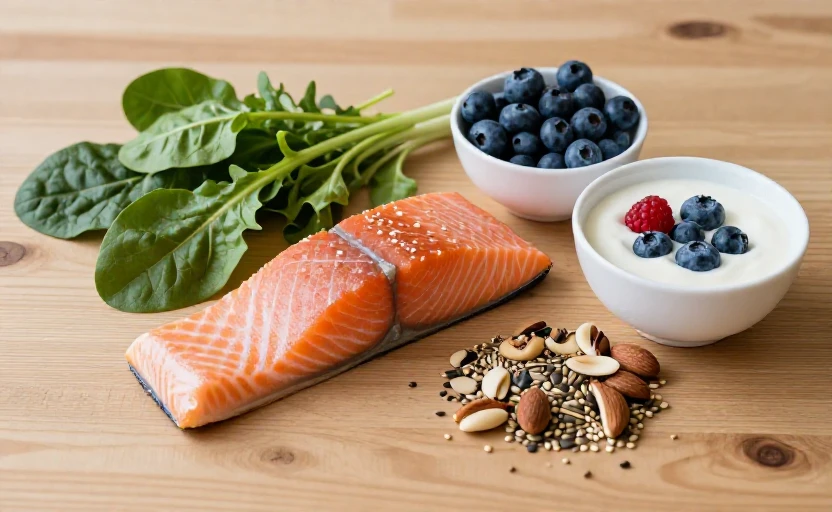
The omega-3 fatty acids EPA and DHA found in fatty fish are fundamental for brain health. They help reduce inflammation, which is often elevated during chronic stress, and are crucial for the fluidity of brain cell membranes, facilitating better communication between neurons. Research suggests that regular consumption may help moderate the body's response to stress and support cognitive function.
Not a fish fan? Consider algae-based omega-3 supplements, the original source where fish get their nutrients.
2. Dark Leafy Greens (like Spinach, Swiss Chard, and Kale)
These are powerhouses of magnesium, a mineral that acts as a natural relaxant. Magnesium helps regulate the nervous system, supports muscle relaxation, and is involved in hundreds of enzymatic reactions in the body, including those that manage stress hormones. Many people have suboptimal magnesium levels, and stress itself can deplete it further. A simple side of sautéed greens is a direct deposit into your mineral reserves.
3. Blueberries and Other Deeply Colored Berries
These small fruits are packed with flavonoids, potent antioxidants that combat oxidative stress in the brain. Some studies indicate that the antioxidants in berries can improve signaling between brain cells, reduce inflammation, and enhance neuroplasticity—the brain's ability to adapt. This can translate to better focus and a more resilient response to stress. Their natural sweetness can also satisfy a sugar craving in a supportive way.
4. Nuts and Seeds (especially Walnuts, Almonds, and Pumpkin Seeds)
A convenient, satisfying snack that delivers a triple threat for stress support. They provide healthy fats, plant-based protein for stable blood sugar, and key minerals. Walnuts are a good plant source of omega-3s. Almonds offer vitamin E and magnesium. Pumpkin seeds are one of the best food sources of zinc, a mineral vital for nerve function and mood regulation. A small handful can be a perfect afternoon stabilizer.
Opt for unsalted or lightly salted varieties to keep sodium in check.
5. Fermented Foods (like Yogurt, Kefir, Kimchi, and Sauerkraut)
The gut-brain connection is a major focus of modern wellness science. The gut produces a significant amount of the body's serotonin, a neurotransmitter that contributes to feelings of well-being. Fermented foods contain probiotics—beneficial bacteria that support a healthy gut microbiome. A balanced gut environment is linked to improved stress response and mood. Introducing these foods gradually allows your system to adjust comfortably.
Building a Stress-Supportive Eating Pattern
Focusing on single foods is less effective than considering your overall dietary rhythm. The most supportive approach combines these specific foods with consistent, balanced eating habits.
- Prioritize Regular Meals: Skipping meals leads to blood sugar dips, which can trigger feelings of irritability, anxiety, and brain fog. Aim for consistent nourishment throughout the day.
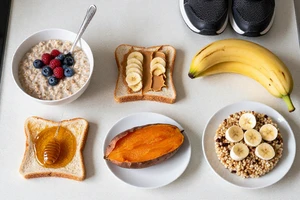
- Balance Your Plate: Combine complex carbohydrates (like oats or sweet potatoes), quality protein, and healthy fats at meals. This trio provides sustained energy and prevents sharp glucose fluctuations.
- Stay Hydrated: Even mild dehydration can increase cortisol levels and impair concentration. Water is essential for every cellular process, including those in your brain.
- Mind Your Caffeine: While a morning cup can aid focus, excessive caffeine later in the day can overstimulate the nervous system, mimicking anxiety and disrupting sleep—a critical component of stress recovery.
A Gentle Reminder on Limits and Expectations
Food is a form of foundational self-care, not a substitute for professional help or other stress-management techniques like movement, social connection, or therapy. If you're experiencing persistent, overwhelming stress or anxiety, please consult a healthcare provider. Think of these dietary choices as one piece of a larger puzzle—a way to nourish your resilience from the inside out, creating a more stable base from which to handle life's challenges.