Your hip joints are among the largest and most hardworking structures in your body. They support your weight, drive your forward motion, and are central to every seated, standing, and balancing pose in yoga. When hip pain or stiffness creeps in, it can fundamentally change how you move both on and off the mat. While stretching and strengthening are essential, what you put on your plate plays an equally foundational role in supporting the cartilage, synovial fluid, and connective tissues that keep your hips happy.
Yoga medicine experts—practitioners who blend anatomical science with traditional movement—often emphasize that joint health is a systemic issue. It's not about one magic ingredient. Instead, it’s a pattern of nourishment that reduces inflammation, supports collagen production, and provides the raw materials for joint lubrication and repair. Here is what they recommend eating to keep your hips healthy for the long haul.
Why your hips need specific nutritional support
The hip is a ball-and-socket joint, which gives it a wide range of motion but also makes it vulnerable to wear and tear. The articular cartilage that cushions the bones needs a steady supply of nutrients that it can only get from the synovial fluid surrounding it. Unlike muscles, cartilage has a limited blood supply, so the quality of your circulation and the nutrients present in your bloodstream directly influence how well your joints can repair themselves. A diet that is high in pro-inflammatory foods like refined sugars and industrial seed oils can slowly degrade this delicate system, while a diet rich in specific whole foods can help preserve it.
Anti-inflammatory fats for synovial fluid health
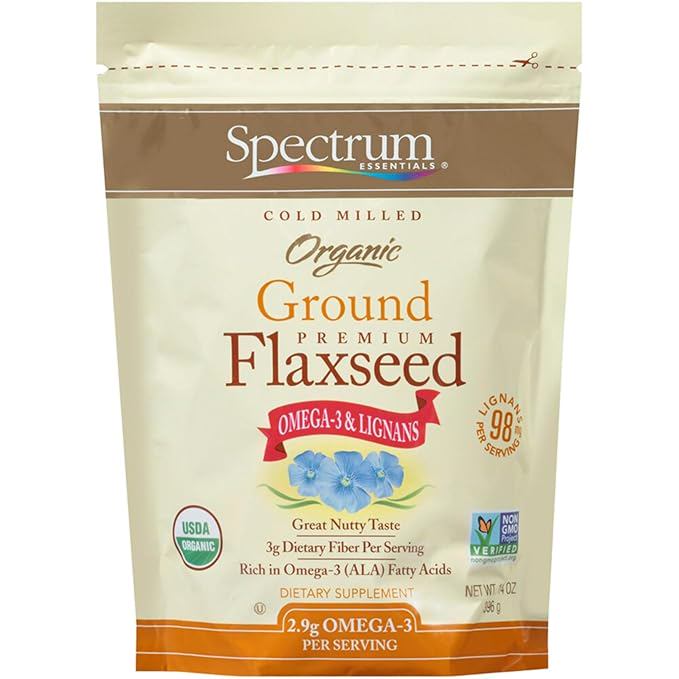
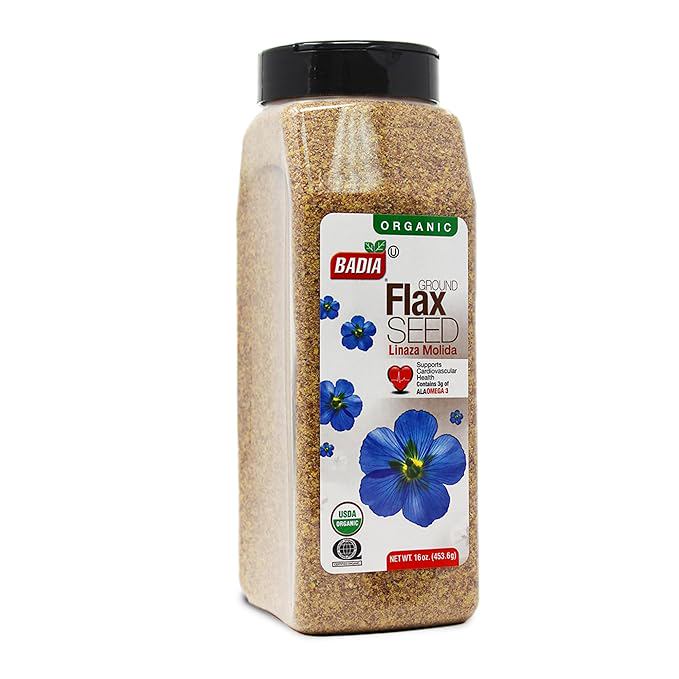
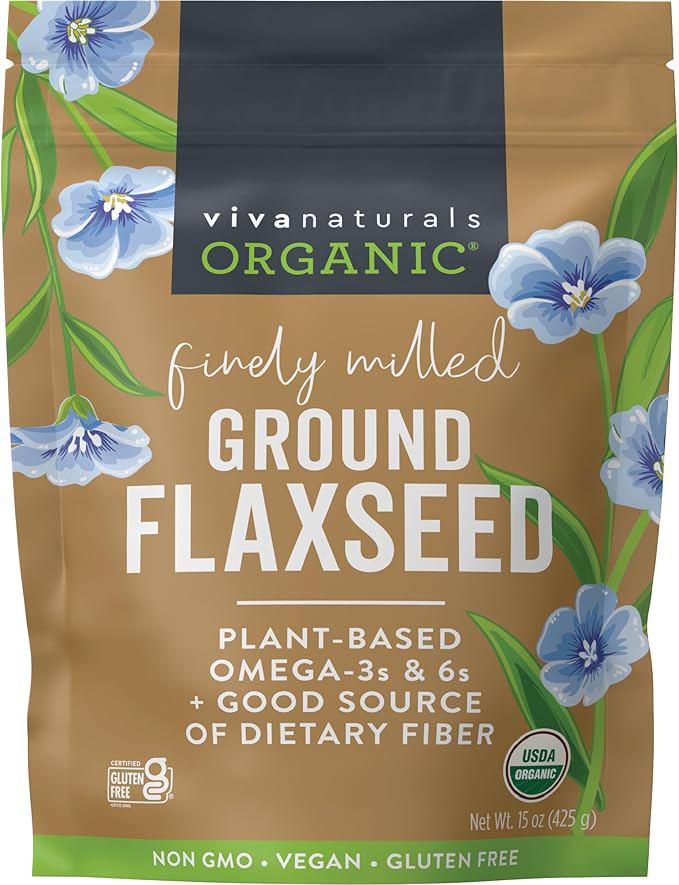
Omega-3 fatty acids are often the first recommendation for joint health, and for good reason. These essential fats, particularly EPA and DHA, help resolve inflammation at the cellular level. For the hip joint, this is crucial because chronic low-grade inflammation can thin the synovial fluid, leading to a grinding sensation and stiffness. Yoga medicine practitioners often recommend fatty fish like wild salmon, sardines, and mackerel two to three times per week. If you follow a plant-based diet, ground flaxseeds, chia seeds, and walnuts provide ALA, a precursor that your body can partially convert to EPA.
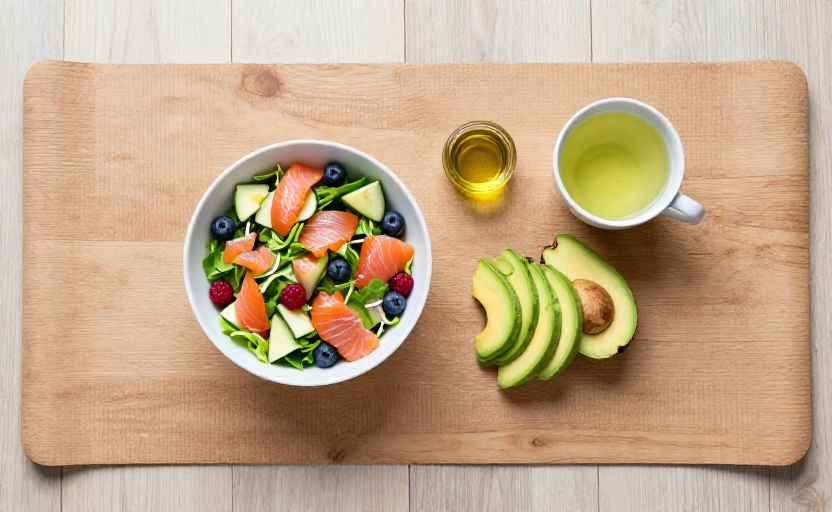
Another fat source that deserves attention is monounsaturated fat found in avocados and extra-virgin olive oil. These not only support overall cellular health but also enhance the absorption of fat-soluble vitamins like A, D, E, and K, all of which are critical for bone and cartilage metabolism. A simple daily habit of adding a quarter of an avocado to a meal or using olive oil as your primary dressing can make a measurable difference over time.
Collagen-supporting proteins and vitamin C
Your joint cartilage is built on a framework of collagen, a protein that gives it tensile strength. As we age, natural collagen production declines, and the body becomes less efficient at repairing micro-damage. Eating collagen-rich foods alone is not enough; you also need the cofactors that help your body synthesize new collagen. This is where vitamin C becomes a star player. Without it, the cross-linking of collagen fibers is impaired, leaving cartilage weaker and more prone to fraying.
Yoga medicine nutrition guidelines frequently highlight bone broth as a direct source of type II collagen and gelatin. It is also rich in glycine and proline, amino acids that the body uses to build connective tissue. If you do not consume bone broth, soft-shell crabs, chicken skin, and fish skin are also dense sources of natural collagen. Pair these with abundant vitamin C from citrus fruits, bell peppers, strawberries, or broccoli. A bowl of chicken soup with a squeeze of lemon or a salmon fillet served with a side of roasted red peppers is both practical and targeted.
A quick tip: Grilling or pan-searing meats with their skin on can boost your collagen intake without any extra effort.
Polyphenol-rich foods to protect joint tissue
Beyond basic nutrition, hip joint health benefits greatly from polyphenols—plant compounds that protect cells from oxidative stress. Oxidative damage accumulates over time in weight-bearing joints like the hips, accelerating cartilage breakdown. A diet high in colorful fruits and vegetables provides a broad spectrum of these protective molecules.
Berries (blueberries, cherries, blackberries) are rich in anthocyanins, which have been shown to inhibit certain inflammatory pathways that affect joints. Cruciferous vegetables like kale, broccoli, and Brussels sprouts contain sulforaphane, a compound that may block enzymes that cause cartilage destruction. Green tea, particularly matcha, is another potent source of epigallocatechin gallate (EGCG), which can help reduce inflammation in the synovial tissue. Aim to include at least one serving of a deeply colored plant food at every meal.
Minerals for bone density and muscle support
The hip joint is only as strong as the bone and muscle that surround it. Calcium and vitamin D are essential for maintaining the femoral head and the acetabulum (the socket), but they work best when supported by magnesium, vitamin K2, and zinc. Magnesium helps activate vitamin D and is also involved in muscle relaxation, which is important for releasing chronically tight hip flexors—a common issue for people who sit for long hours.
Foods like dark leafy greens, almonds, pumpkin seeds, and black beans are excellent sources of magnesium. Calcium can be obtained from dairy products, fortified plant milks, or canned salmon with edible bones. Vitamin K2, which directs calcium to the bones rather than soft tissues, is found in fermented foods like natto, sauerkraut, and aged cheese. A small portion of fermented vegetable or a slice of aged cheese each day can help ensure calcium gets deposited where it is needed most.
Hydration and the hip capsule
One of the most overlooked nutritional factors for hip health is water. The hip joint is encased in a fibrous joint capsule that is lined with a synovial membrane. This membrane secretes the fluid that lubricates the joint, and its volume and quality depend heavily on your hydration status. Even mild dehydration can reduce the viscosity of synovial fluid, making movement feel less smooth and increasing friction on cartilage.
While there is no one-size-fits-all water requirement, a good baseline is to drink enough so that your urine is a pale straw color. Herbal teas and water-rich fruits like watermelon, cucumber, and oranges also contribute to total fluid intake. Yoga medicine experts often note that morning stiffness in the hips can sometimes be resolved simply by improving hydration habits, especially if you pair it with a few gentle hip circles before you get out of bed.
A sample day of hip-friendly eating
Putting these ideas together doesn't require complicated recipes. A typical day might start with a smoothie made from spinach, frozen blueberries, ground flaxseeds, and unsweetened almond milk, which delivers polyphenols, omega-3s, and vitamin K. Lunch could be a large salad with wild salmon, avocado, bell peppers, and a lemon-olive oil dressing that provides protein, healthy fats, and collagen cofactors. Dinner might feature a bowl of bone-broth-based vegetable soup with shredded chicken, kale, and a side of quinoa for magnesium. A small cup of green tea in the afternoon and a handful of almonds as a snack rounds out the mineral and polyphenol support.
Hip joint health is not about a single superfood or a strict diet. It is about building a consistent routine of anti-inflammatory, nutrient-dense foods that give your body the tools it needs to maintain its structure. When combined with mindful movement and good hydration, the food you eat becomes a foundational part of your hip longevity strategy.