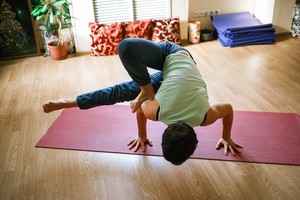
You unroll your mat, move through a sequence of deep stretches, and finish in Savasana with a mind that feels quieter than it did an hour ago. The class is over, your muscles are warm, and a familiar question surfaces: “What should I eat now?” After a grounding evening practice, the choice of dinner matters more than you might think—not just for recovery, but for keeping that calm, centered feeling alive through the rest of the night.
An evening yoga class activates the parasympathetic nervous system, but certain foods can either support that state or undermine it. The goal is to choose a meal that stabilizes blood sugar, provides key nutrients for neurotransmitter production, and avoids sharp spikes in cortisol or adrenaline. Here’s how to build a dinner that lowers anxiety after your practice.
Why your post-yoga dinner affects anxiety
Yoga reduces stress hormones in the short term, but what you eat afterward can either extend that effect or reverse it. Poorly balanced meals—especially those high in refined carbohydrates or added sugars—cause rapid fluctuations in blood glucose. When your blood sugar drops a few hours later, the body releases cortisol and adrenaline to compensate, which can trigger feelings of jitteriness, irritability, or a racing mind at bedtime.
Additionally, the gut and brain communicate directly through the vagus nerve, and the gut microbiome influences the production of mood-regulating neurotransmitters like serotonin and GABA—both of which promote calm. A dinner rich in fiber, healthy fats, and protein gives your gut the raw materials it needs to support stable mood and deep sleep.
Think of your evening meal as the keeper of the calm you just cultivated on your mat.
Build your plate around magnesium-rich foods
Magnesium is often called the relaxation mineral because it helps regulate the hypothalamic-pituitary-adrenal (HPA) axis, which controls your stress response. It also supports GABA receptors in the brain, promoting a sense of ease. After a yoga class, your muscles have worked and your nervous system is primed for recovery—magnesium helps both.
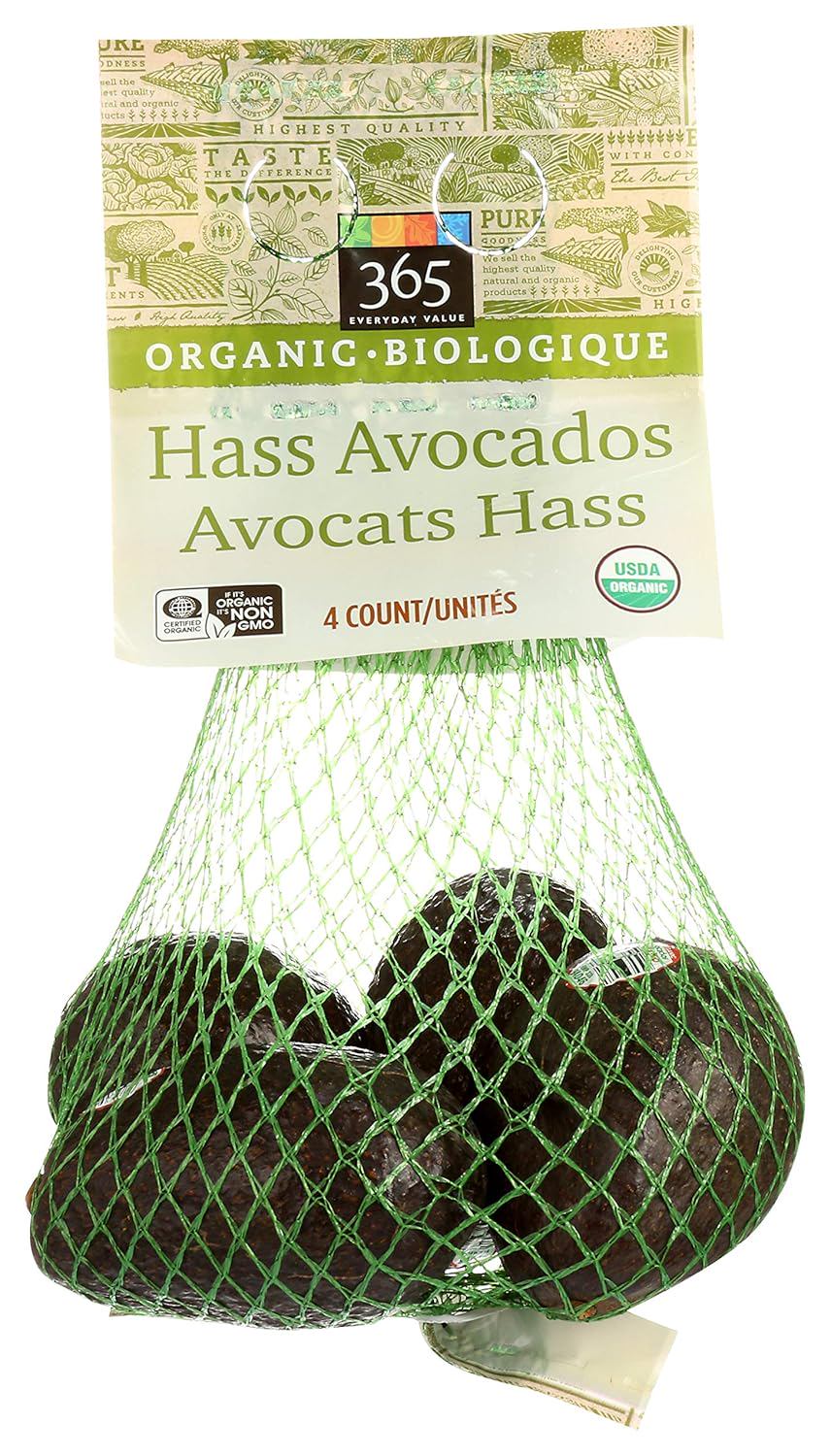
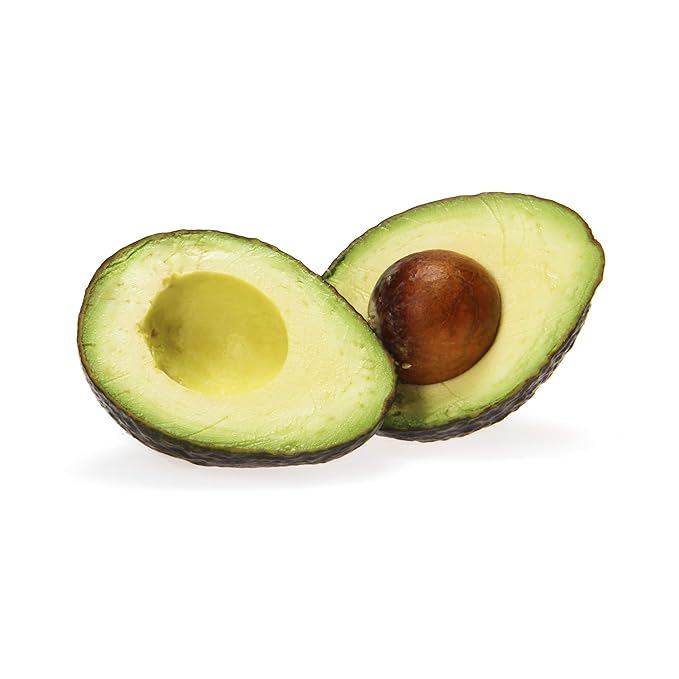
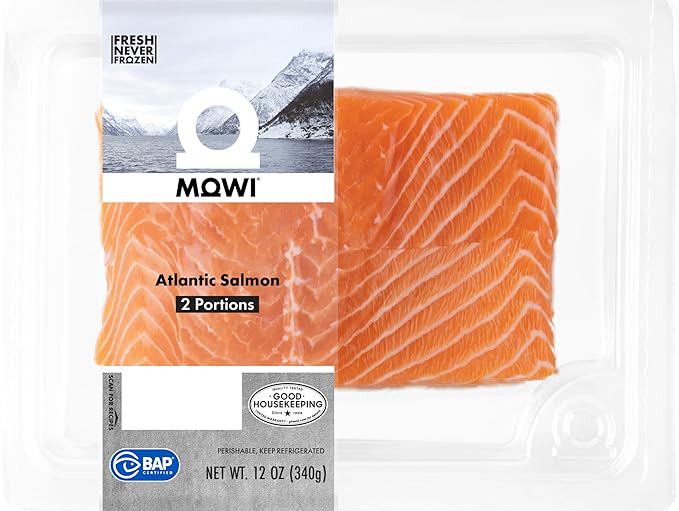
Some of the best food sources include dark leafy greens like spinach and Swiss chard, pumpkin seeds, almonds, black beans, avocado, and fatty fish such as salmon or mackerel. A dinner that centers on one or more of these ingredients will naturally support lower anxiety.
Pair protein with complex carbohydrates
The amino acid tryptophan is a precursor to serotonin, which converts to melatonin at night. But tryptophan needs to compete with other amino acids to cross the blood-brain barrier, and carbohydrates help tip the balance in its favor. That doesn’t mean a bowl of white pasta—it means pairing a moderate amount of lean protein (chicken, turkey, tofu, lentils, or fish) with whole-food carbohydrates like sweet potato, quinoa, brown rice, or roasted vegetables.
This combination provides steady energy, prevents late-night blood sugar dips, and supports the serotonin-to-melatonin conversion that helps you wind down after your practice.
Include foods that support GABA
GABA is the primary inhibitory neurotransmitter in the brain—it essentially tells your nervous system to slow down. Yoga naturally increases GABA levels, and certain foods can support that further. Fermented foods like kimchi, sauerkraut, miso, and yogurt contain probiotics that may boost GABA production through the gut-brain axis. Green tea (especially the variety rich in L-theanine) also supports calm alpha brain waves. If you’re eating dinner close to bedtime, a warm cup of low-caffeine green tea afterward can reinforce the relaxation from class.
Keep the meal moderate in size
Eating a very heavy meal late at night forces your digestive system to work hard when it should be winding down. This can raise heart rate, interfere with sleep quality, and trigger anxiety-like physical sensations. Aim for a plate that leaves you satisfied but not stuffed—think 400 to 600 calories depending on your body’s needs. A good rule of thumb is to fill half your plate with non-starchy vegetables, a quarter with protein, and a quarter with complex carbohydrates plus a source of healthy fat.
Dinner ideas that fit the framework
Here are a few simple meals that align with the principles above:
- Grilled salmon with roasted sweet potato and sautéed spinach — magnesium, omega-3s for brain health, and steady-release carbohydrates.
- Buddha bowl with quinoa, black beans, avocado, pumpkin seeds, and roasted broccoli — high fiber, plant-based protein, and several anxiety-supporting nutrients.
- Stir-fried tofu with bok choy, bell peppers, and brown rice — protein from soy, magnesium from greens, and a low-glycemic carb base.
- Turkey and lentil soup with a side of steamed kale — tryptophan-rich protein plus iron and magnesium from the greens.
What to avoid
While it’s fine to enjoy a treat occasionally, some foods can spike cortisol or disrupt sleep when eaten regularly after an evening class. High-sugar desserts, refined grains (white bread, white rice in large quantities), and excessive caffeine or alcohol can all counteract the relaxation your yoga practice created. Spicy foods and very large meals may also cause digestive discomfort that keeps you alert instead of calm.
Pay attention to how different meals make you feel an hour or two after eating. Your body’s feedback is the most reliable guide—if a certain dinner leaves you feeling restless or wired, try swapping one ingredient for a more grounding option the next time.
The evening after yoga is a window of heightened receptivity. Your nervous system has been recalibrated, and the food you choose can help hold that space. By prioritizing magnesium, thoughtful carbohydrate choices, lean protein, and gut-friendly ingredients, you give your body what it needs to stay calm, rested, and ready for a good night’s sleep.