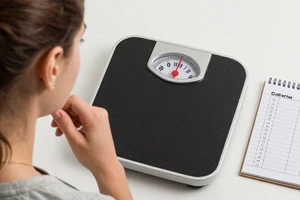
Visceral fat—the deep belly fat that wraps around your internal organs—is more than a cosmetic concern. Research consistently links higher levels of this type of fat to increased risks of heart disease, type 2 diabetes, and chronic inflammation. While exercise and overall calorie balance matter, emerging evidence points to breakfast as a powerful lever for targeting visceral fat. Specifically, what you eat in the morning can influence appetite hormones, blood sugar stability, and fat oxidation throughout the day.
Here is a closer look at the breakfast foods and patterns that science suggests may help reduce visceral fat over time.
Why breakfast composition matters for deep belly fat
Not all calories are created equal when it comes to visceral fat storage. A 2020 study in the Journal of Nutrition found that people who ate a higher-protein breakfast experienced better appetite control and lower levels of the hunger hormone ghrelin compared to those who ate a carbohydrate-heavy morning meal. Protein also has a higher thermic effect—your body burns more calories digesting it.
Beyond protein, the type of carbohydrate matters. Refined carbs (white bread, sugary cereals, pastries) spike blood sugar and insulin, which can promote fat storage in the abdominal area. In contrast, fiber-rich, complex carbs and healthy fats help stabilize glucose and reduce the likelihood of mid-morning cravings that lead to overeating.
Eggs: a protein powerhouse for satiety
Eggs are one of the most studied breakfast foods for weight management. A 2008 study in the International Journal of Obesity showed that overweight women who ate eggs for breakfast felt fuller longer and consumed fewer calories at lunch compared to those who ate a bagel with the same calorie count. More recent research suggests that diets higher in protein—especially from eggs—can help preserve lean muscle mass during weight loss, which helps maintain a higher resting metabolism.
When you preserve muscle while losing fat, your body becomes more efficient at burning energy, which may help reduce visceral stores. Pair two eggs with vegetables or a slice of whole-grain toast for a balanced start.
Greek yogurt and other fermented dairy
Greek yogurt is rich in casein protein, which digests slowly and provides a steady release of amino acids. Some observational studies have linked yogurt consumption to lower levels of visceral fat and a smaller waist circumference over time. The probiotics found in fermented dairy may also play a role by supporting a healthy gut microbiome—an increasingly recognized factor in how the body stores fat.
Choose plain, unsweetened Greek yogurt to avoid added sugars, which counteract the benefits. You can add a handful of berries or a sprinkle of cinnamon for flavor without spiking insulin.
Oatmeal: fiber that fights fat
Oats are a rich source of beta-glucan, a soluble fiber that forms a gel-like substance in the digestive tract. This process slows gastric emptying and blunts blood sugar spikes. A 2017 meta-analysis in Nutrients found that oats significantly improved markers of metabolic health, including waist circumference and total cholesterol.
Steel-cut or rolled oats are your best bet—instant oats often have a higher glycemic impact. Top them with nuts (almonds or walnuts) for healthy fats and extra protein, plus berries for additional fiber and antioxidants.
Avocado: healthy fats for metabolic health
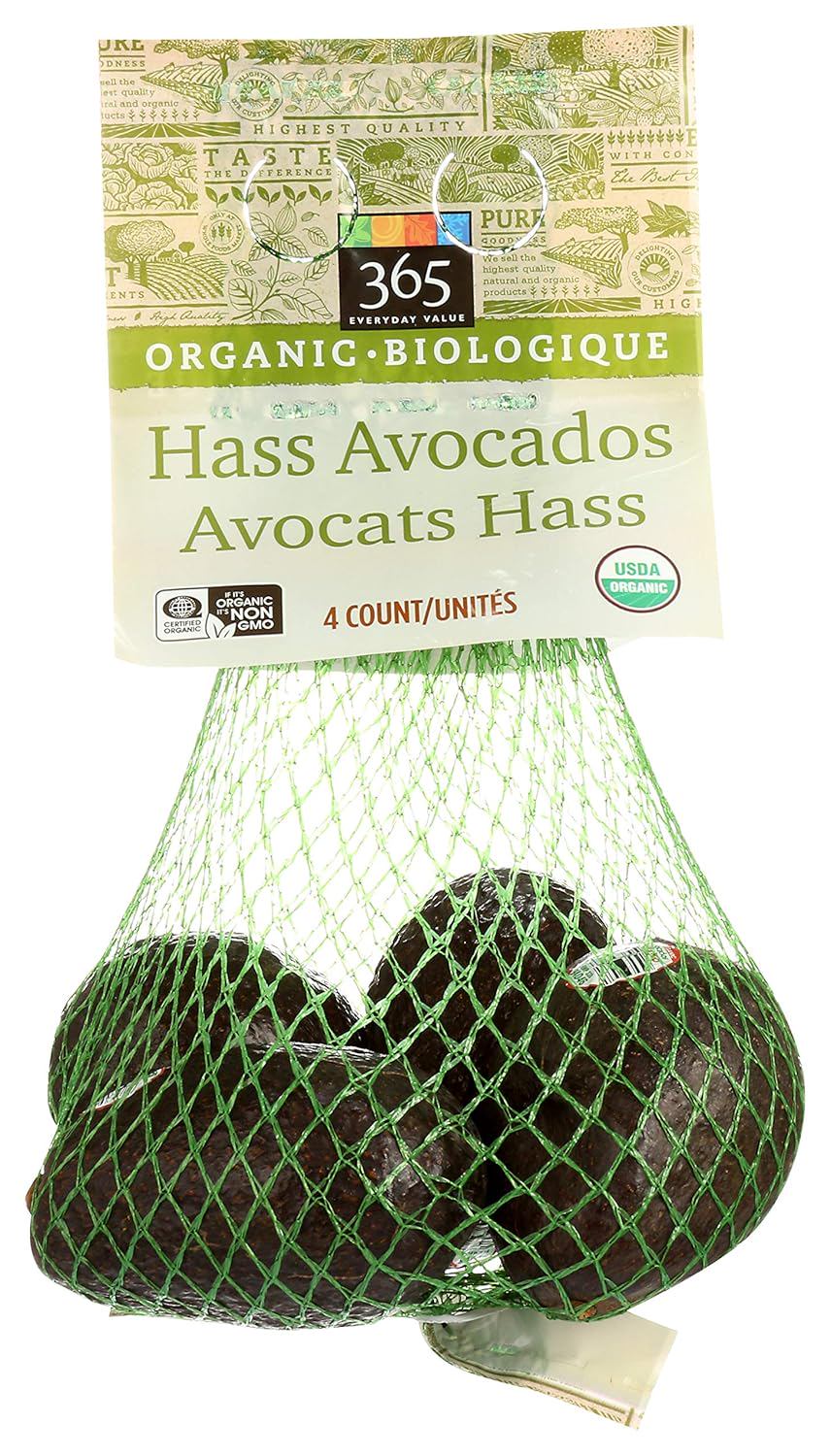
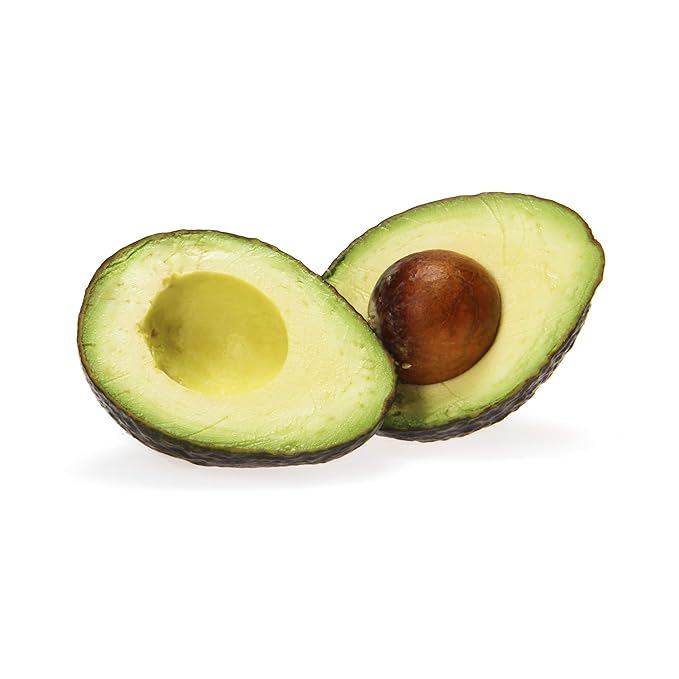
Although avocado is calorie-dense, its monounsaturated fat content has been linked to reduced visceral fat in some studies. A 2021 study in the Journal of the American Heart Association found that women who ate one avocado per day for 12 weeks experienced a decrease in visceral fat levels compared to those on a similar diet without avocado.
Avocado on whole-grain toast or sliced into an omelet provides lasting energy and helps increase absorption of fat-soluble vitamins. Pair it with a source of lean protein to keep your meal balanced.
Berries and other low-glycemic fruits
Berries are high in anthocyanins, compounds that may support fat oxidation and reduce inflammation. Their fiber content also helps regulate blood sugar. A study in the European Journal of Clinical Nutrition suggested that frequent berry intake was associated with lower visceral fat mass over a five-year period, even after adjusting for overall diet quality.
Blueberries, strawberries, and raspberries are all excellent choices. They work well stirred into oatmeal, Greek yogurt, or as a standalone side.
A simple science-backed breakfast template: Include at least 20 grams of protein, 5–10 grams of fiber, and a source of healthy fat. This trio helps stabilize glucose, reduce hunger, and support metabolic health—key factors in reducing visceral fat over time.
What to limit or avoid
Certain breakfast foods are consistently linked to higher visceral fat in observational studies. Sugary cereals, white bread, pastries, and sweetened coffee drinks deliver a fast glucose load that triggers insulin release and encourages abdominal fat storage. Processed meats like bacon and sausage, while high in protein, are also high in sodium and saturated fat, which may promote inflammation and make fat loss harder.
You don't need to eliminate these foods completely, but making them occasional rather than daily choices can support your goals.
Putting it all together: sample breakfast ideas
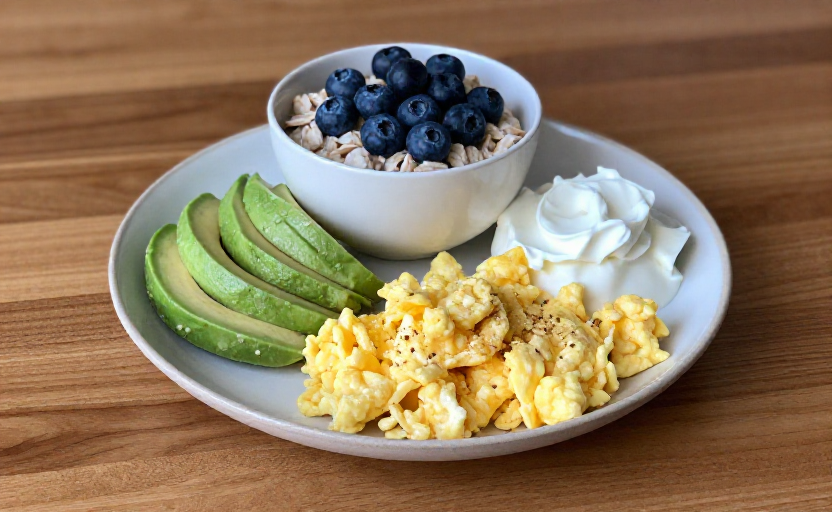
- Egg and vegetable scramble (2 eggs, spinach, bell peppers) with a side of half an avocado
- Plain Greek yogurt (¾ cup) topped with a handful of blueberries and 1 tablespoon of chopped almonds
- Oatmeal made with rolled oats, water or unsweetened almond milk, topped with raspberries and a tablespoon of ground flaxseed
- Whole-grain toast with mashed avocado and a poached egg