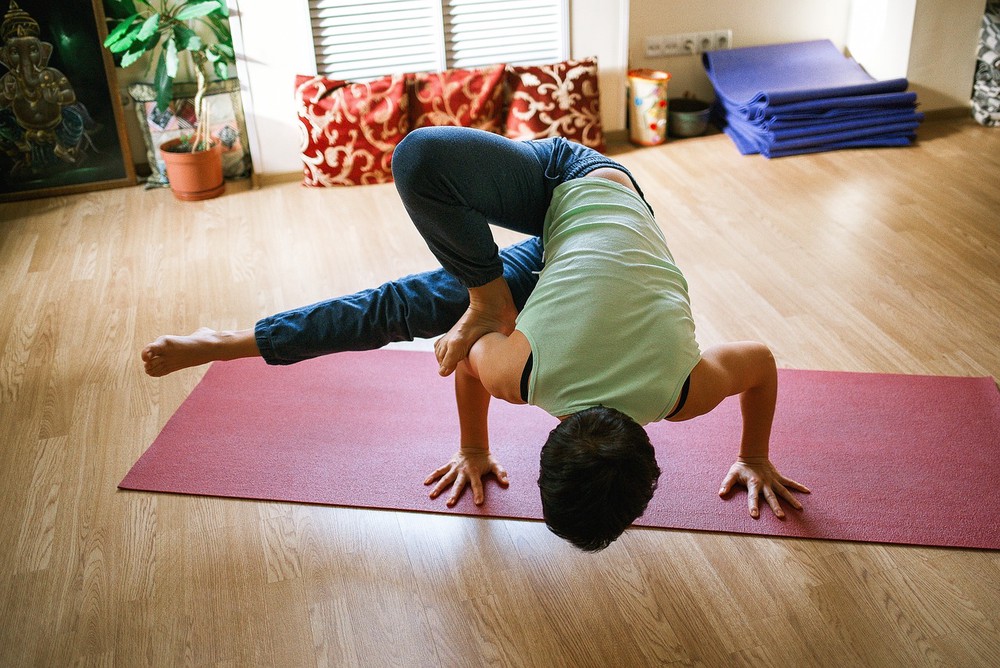
Finishing a yoga session—whether it was a slow, deep stretch or a fast-paced vinyasa—leaves you feeling open and grounded. But that feeling can fade if your body is running low on the minerals it just sweated out. Electrolytes like sodium, potassium, magnesium, and calcium are the unsung heroes of recovery. They help your muscles relax, keep your nerves firing properly, and restore your fluid balance.
Instead of reaching for a neon sports drink packed with artificial colors and sugar, you can restore those lost minerals with real food. Here are four whole foods that support better yoga recovery by naturally replenishing electrolytes.
Coconut water: Nature’s original sports drink
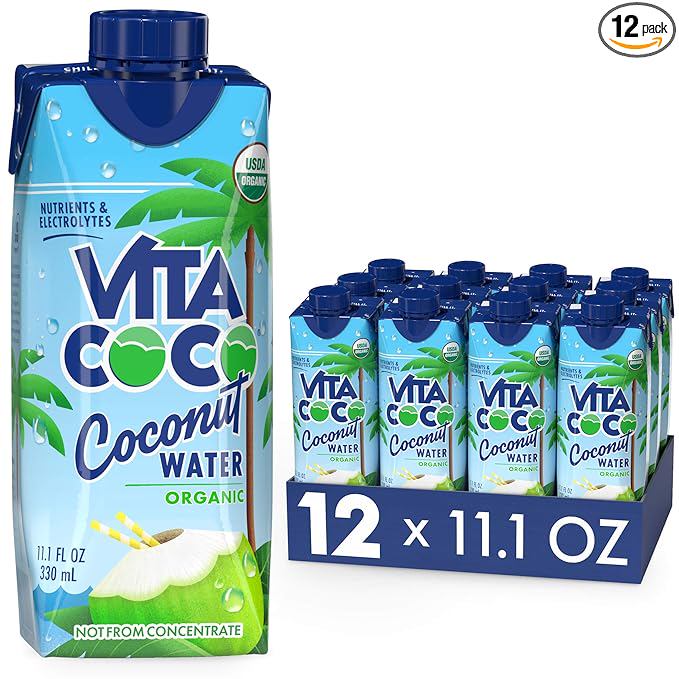
Coconut water has earned its reputation for a reason. It is naturally rich in potassium—one of the key electrolytes lost during sweating—and contains small amounts of sodium, magnesium, and calcium. A single cup of coconut water provides more potassium than a banana, making it an efficient choice for rebalancing after a heated practice.
Look for unsweetened coconut water with no added flavors or sugars. If you find the taste plain, add a tiny pinch of sea salt and a squeeze of lime. That little bit of sodium helps your body actually absorb the water and minerals more effectively.
Tip: Sip coconut water slowly after savasana rather than chugging it. Your digestive system absorbs fluids best when they are not rushed.
Bananas: The portable muscle relaxer
Bananas are an obvious choice, but they deserve a closer look. They are one of the best food sources of potassium, a mineral that works with sodium to regulate your body’s fluid balance and muscle contractions. When potassium levels dip after yoga, you might feel muscle cramps or a heavy fatigue that doesn’t pass.
The magnesium in bananas also matters here. Magnesium helps muscles relax after contracting, which is exactly what your quads, hamstrings, and shoulders need after holding poses like Warrior II or Downward Dog. Eat a banana within 30 to 60 minutes after practice, either on its own or blended into a smoothie with coconut water for a double dose of electrolytes.
Leafy greens: Magnesium and calcium for calm muscles
Spinach, kale, and Swiss chard might not be the first thing you think of post-yoga, but they deliver two critical minerals for recovery: magnesium and calcium. Magnesium supports muscle relaxation and reduces that jittery feeling some people get after a vigorous practice. Calcium helps with muscle contraction regulation and bone health, which matters for weight-bearing poses.
One cup of cooked spinach provides about 40 percent of your daily magnesium needs, plus a good hit of calcium. The easiest way to work these greens into your recovery is to sauté them lightly with garlic and olive oil, or toss a handful into a post-yoga smoothie. The flavor is mild, and the benefits are substantial.
A quick note about oxalates
If you have a history of kidney stones, talk with your healthcare provider about high-oxalate greens like spinach. For most people, the electrolyte benefits far outweigh any concerns, but it is worth knowing your own body.
Celery and cucumber: Hydration plus trace minerals
Celery and cucumber are high-water vegetables that also provide a subtle but meaningful electrolyte profile. Celery is a natural source of sodium and potassium in a balanced ratio, which is unusual for a plant food. Cucumber offers silica and small amounts of magnesium, plus its high water content (over 95 percent) helps rehydrate tissues on a cellular level.
These vegetables are gentle on the stomach, making them ideal if you do not feel like eating a heavy meal right after practice. Dip celery sticks in hummus or sprinkle cucumber slices with a little salt and lemon juice. The salt helps your body retain the water, and the lemon juice adds a touch of vitamin C for immune support.
Building a recovery habit with these four foods is simple and sustainable. You do not need supplements or powders to support your yoga practice. Real food, eaten at the right time, provides exactly what your muscles need to repair and prepare for the next session. Pay attention to how your body feels after you eat these foods post-practice—less fatigue, fewer cramps, and a smoother return to your day are good signs that your electrolyte levels are back in balance.