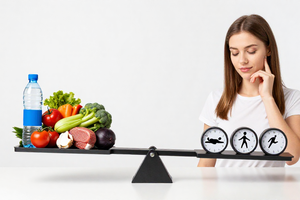

Getting the most out of your workout isn't just about how hard you push — it's also about what you fuel your body with. When weight loss is the goal, the right pre- and post-workout nutrition can make a real difference in your energy, recovery, and results. Dietitians agree that timing and food choices matter, but the good news is you don't need complicated meal plans or expensive supplements to get it right.
Whether you're heading out for a morning run, hitting the gym after work, or squeezing in a home workout, what you eat around exercise can help you burn fat more efficiently, preserve muscle, and avoid the energy crashes that lead to poor food choices later. Let's break down what to eat before and after a workout for weight loss, based on dietitian advice.
Why pre-workout nutrition matters for weight loss
Eating before exercise serves a simple purpose: it gives your body the fuel it needs to perform. When you're trying to lose weight, the instinct might be to skip the pre-workout snack to burn more fat. But this approach can backfire. Without fuel, your workout intensity drops, you burn fewer calories overall, and you're more likely to feel lightheaded or overly hungry afterward — which can lead to overeating.
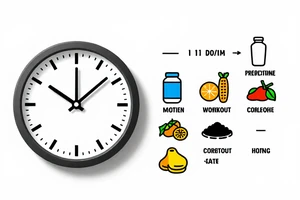
The goal of a pre-workout meal or snack is to provide easily digestible carbohydrates for quick energy, along with a small amount of protein to protect muscle tissue. Dietitians recommend eating about 60 to 90 minutes before exercise, depending on the size of the meal. A larger meal needs more time to digest, while a small snack can be eaten closer to your workout.
Best foods to eat before a workout for weight loss
The ideal pre-workout meal is balanced but not heavy. You want enough energy to get through your session without feeling sluggish or bloated. Here are dietitian-approved options that support weight loss:
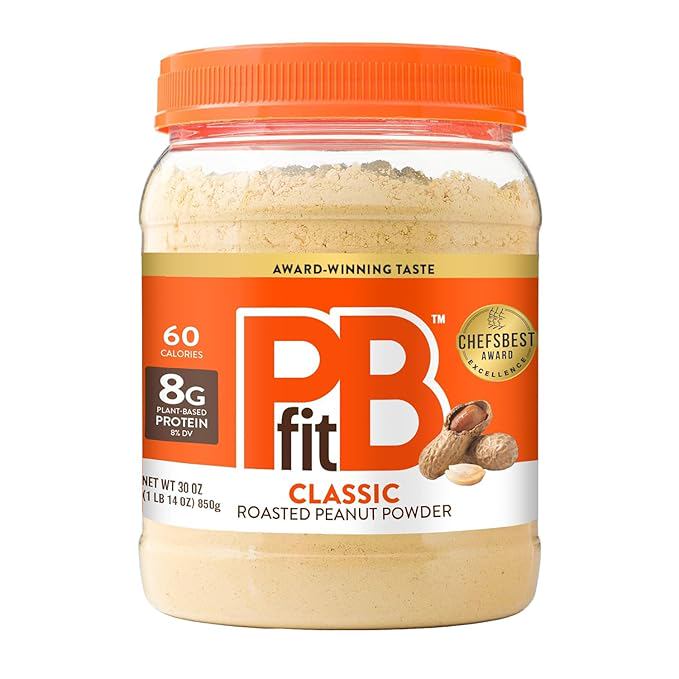
- A banana with a tablespoon of peanut butter — Quick carbs from the banana plus a little protein and healthy fat to sustain energy.
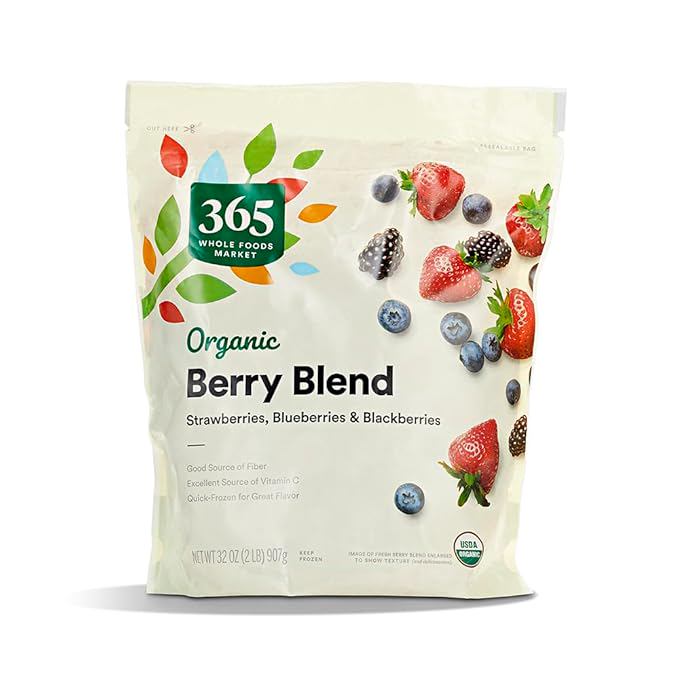
- Greek yogurt with berries — Protein-rich and easy on the stomach, with antioxidants that support recovery.
- Oatmeal with a splash of milk and some cinnamon — Complex carbs provide steady energy, and the fiber helps keep you full.
- Whole grain toast with half an avocado — Carbs for energy plus healthy fats for satiety without weighing you down.
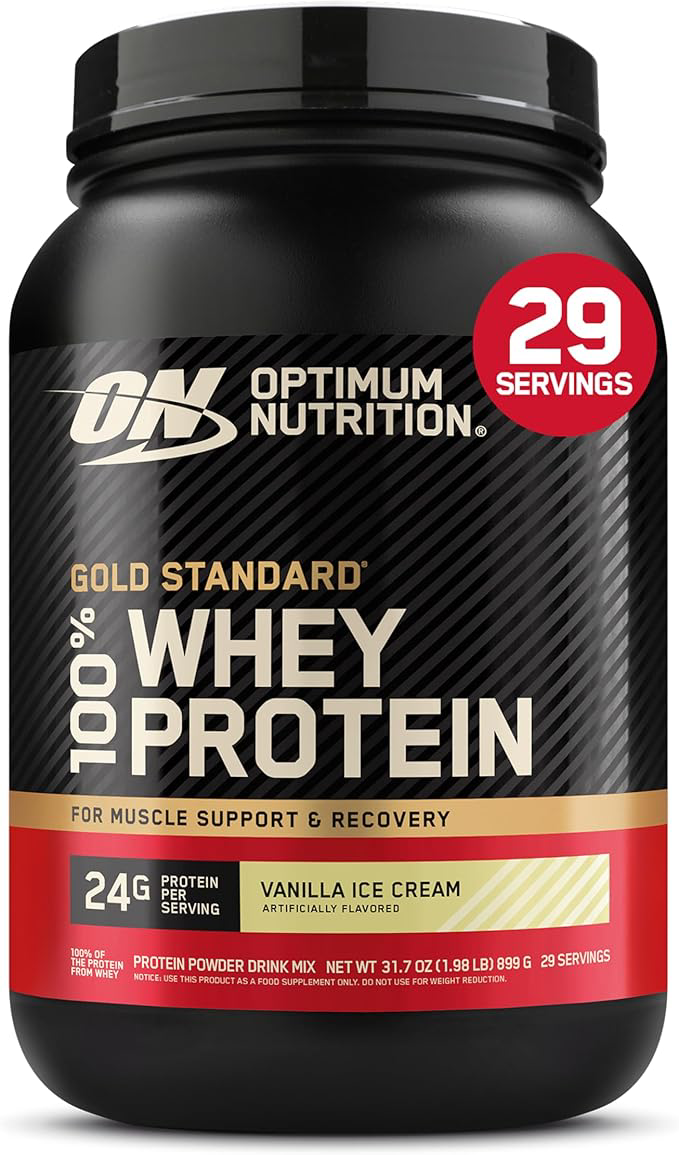
- A small smoothie made with spinach, a green apple, and a scoop of protein powder — Light, hydrating, and easy to digest.
Keep portions moderate. A pre-workout snack should be around 150 to 250 calories for most people. If you're eating a full meal, aim for at least two hours of digestion time before your workout begins.
What to avoid before exercise
Some foods can sabotage your workout and your weight loss efforts. High-fat, high-fiber, or overly spicy foods take longer to digest and can cause discomfort, cramping, or bloating during exercise. Large amounts of protein right before a workout can also feel heavy. Avoid fried foods, heavy sauces, beans, cruciferous vegetables like broccoli or cauliflower, and sugary energy drinks that spike blood sugar and lead to a crash mid-workout.
Post-workout nutrition: refueling for weight loss and recovery
After exercise, your body needs to repair muscle tissue and replenish glycogen stores. This is where post-workout nutrition becomes critical for weight loss — not because you need to eat back all the calories you burned, but because proper refueling supports muscle growth, recovery, and metabolism. More muscle mass means a higher resting metabolic rate, which helps you burn more calories throughout the day.
The post-workout window is often described as the 30-to-60-minute period after exercise when your body is most receptive to nutrients. A combination of protein and carbohydrates is your best bet. Protein provides amino acids for muscle repair, while carbs help restore energy without storing excess fat.
Dietitian-recommended post-workout meals and snacks
These options are designed to support weight loss while giving your body what it needs to recover and strengthen:
- Grilled chicken breast with sweet potato and steamed greens — A classic, balanced meal that works well within a calorie-controlled diet.
- Protein shake made with unsweetened almond milk, a scoop of protein powder, and a handful of frozen berries — Quick, portable, and low in calories.
- Scrambled eggs with sautéed spinach and a slice of whole grain toast — High-quality protein plus complex carbs and iron-rich greens.
- Low-fat cottage cheese with pineapple chunks — Casein protein digests slowly, making this a good option if your next meal is hours away.
- Salmon with quinoa and roasted asparagus — Rich in omega-3 fatty acids to reduce inflammation, plus complete protein and fiber.
Portion control remains important. A post-workout meal or snack should generally fall between 200 and 400 calories depending on your total daily needs and the intensity of your workout. Listen to your body — eat until satisfied, not stuffed.
Hydration: a key piece of the puzzle
Water plays a major role in weight loss and exercise performance. Even mild dehydration can reduce strength, endurance, and focus. Drink water before, during, and after your workout. For most people, plain water is sufficient. If you're exercising intensely for over an hour, especially in heat, an electrolyte drink without added sugar can be helpful.
A simple rule of thumb: drink about 16 to 20 ounces of water two hours before exercise, then 7 to 10 ounces every 10 to 20 minutes during your workout. Afterward, rehydrate based on thirst.
Timing tips for weight loss success
What works best depends on when you exercise. Morning exercisers often do well with a light pre-workout snack like a banana or a small smoothie, followed by a balanced breakfast after their session. If you work out in the afternoon, a solid lunch about three hours before can serve as your pre-workout meal, with a small snack an hour before if needed. For evening exercisers, eat a regular dinner after your workout rather than before — just keep it light enough to avoid disrupting sleep.
Consistency matters more than perfection. The goal is to build a routine that supports your energy, recovery, and overall calorie balance without making you feel deprived or exhausted.