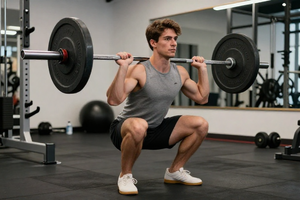

You crushed your squats, lunged until your quads begged for mercy, and hobbled out of the gym feeling accomplished. The next morning, the stairs are your sworn enemy. That familiar stiffness—delayed onset muscle soreness (DOMS)—is a sign your leg muscles are repairing and rebuilding. Food plays a starring role in how quickly you recover and how much pain you feel.
Think of your post-leg-day meal as a delivery system for building blocks. Your muscles have been broken down (in a good way), and they need the right ingredients to come back stronger. The window after a hard workout is when your body is most primed to shuttle nutrients into tired muscle fibers. Eating smart here isn't about punishing restrictions; it's about giving your legs exactly what they need to bounce back faster.
Why protein matters after heavy leg work
Your leg muscles are the largest muscle group in your body. When you train them intensely, you create micro-tears in the muscle fibers. Protein provides the amino acids—specifically leucine—that signal your body to start repairing those tears and building new muscle tissue. Without adequate protein, recovery drags, and soreness lingers.
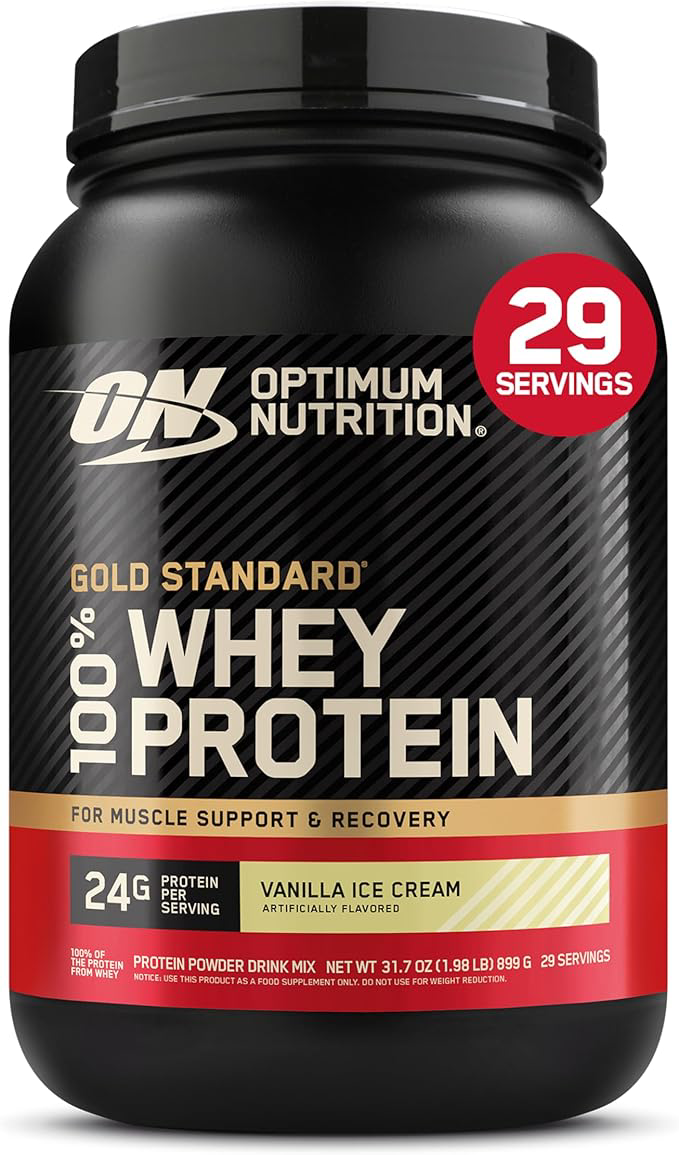
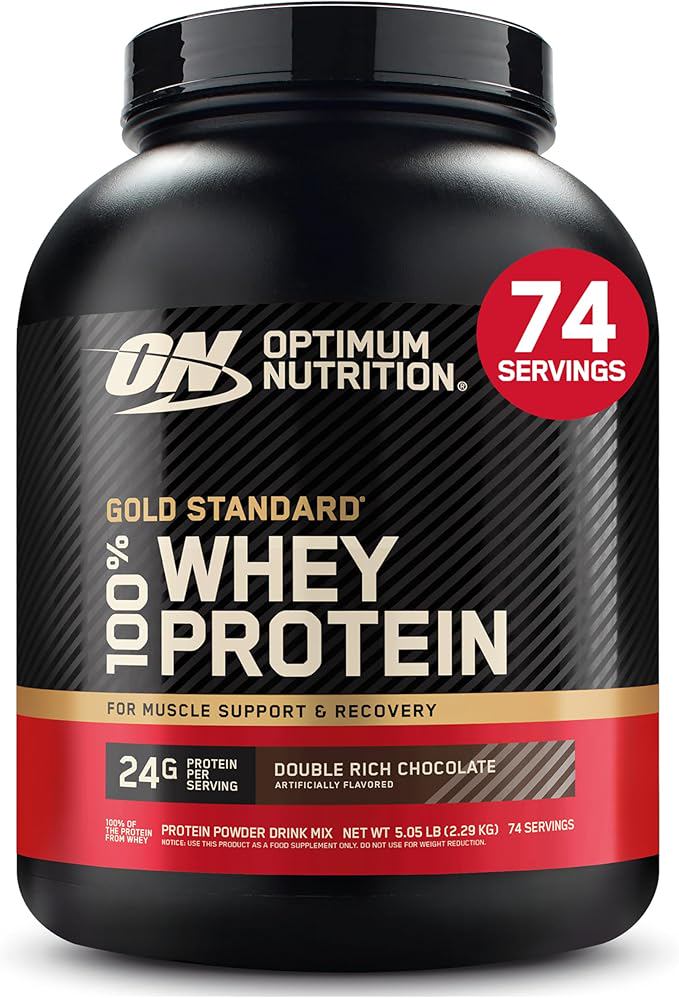
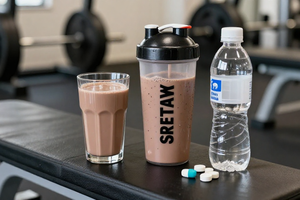
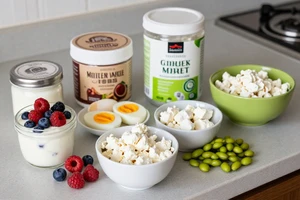
Aim for a serving of high-quality protein within two hours of finishing your workout. This doesn't mean chugging a protein shake if you'd rather chew something. Whole food options work just as well. Think grilled chicken, a three-egg omelet, or a can of tuna mixed with avocado. For plant-based eaters, tofu, edamame, or a hearty lentil salad fit the bill perfectly.
The sweet spot for a post-leg-day meal: about 20–35 grams of protein combined with a moderate amount of carbohydrates. This pairing helps replenish glycogen stores while your muscles rebuild.
Carbs aren't the enemy—they are the recovery fuel
Low-carb diet culture might tell you otherwise, but your legs store massive amounts of glycogen (stored carbohydrates) to power through sets of heavy deadlifts and walking lunges. After leg day, those stores are depleted. If you don't replenish them, your body will feel sluggish, and your next workout will suffer.
Complex carbohydrates are your best bet. Sweet potatoes, brown rice, quinoa, oats, or whole-grain pasta provide steady energy without spiking your blood sugar. Pairing carbs with your protein creates a synergistic effect: the insulin released from eating carbs helps drive amino acids into your muscle cells more efficiently. A simple meal like a chicken breast with roasted sweet potatoes and a side of broccoli covers both protein and carb needs without any fuss.
Fats: a supporting player, not the lead
Healthy fats support hormone function and reduce systemic inflammation, but they digest more slowly than protein and carbs. A post-workout meal that is too heavy in fat may delay nutrient absorption when your muscles are most hungry. That doesn't mean you need to avoid fat entirely—just keep portions moderate. A few slices of avocado on your toast, a drizzle of olive oil over your vegetables, or a handful of almonds mixed into your yogurt is plenty. Save the heavy cream sauces and deep-fried sides for a different meal.
Micronutrients that directly fight soreness
Beyond the macros, certain vitamins and minerals play targeted roles in muscle recovery. Pay attention to these three:
- Potassium: Heavy leg workouts deplete potassium through sweat. This electrolyte helps prevent muscle cramping and aids fluid balance. Bananas are the classic source, but potatoes, spinach, and coconut water are excellent alternatives.
- Magnesium: This mineral is involved in over 300 biochemical reactions in your body, including muscle relaxation and protein synthesis. Low magnesium can make soreness feel worse. Pumpkin seeds, almonds, black beans, and dark leafy greens are rich sources.
- Vitamin C: As an antioxidant, vitamin C helps reduce oxidative stress from intense exercise. It also plays a role in collagen production, which supports connective tissue repair. Bell peppers, strawberries, citrus fruits, and broccoli deliver plenty.
Managing inflammation through food choices
Some inflammation after leg day is normal—it's part of the healing process. But excessive inflammation prolongs soreness and delays recovery. Certain foods naturally help modulate this response. Tart cherries have been studied extensively for their ability to reduce muscle soreness markers. A glass of tart cherry juice or a handful of dried cherries makes an easy addition to your post-workout snack.
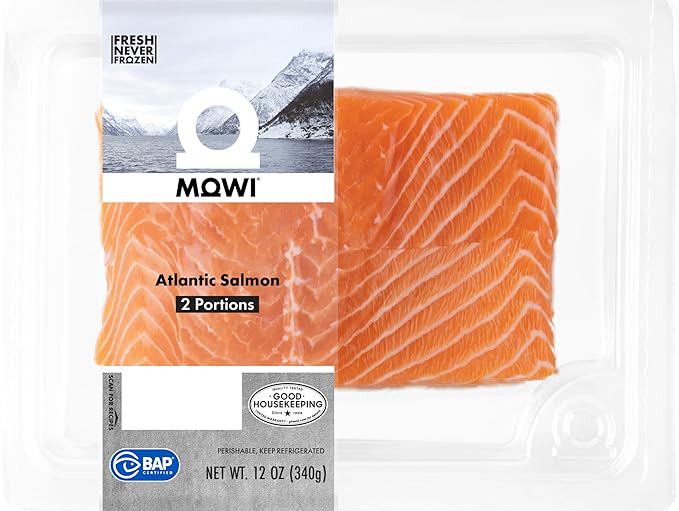
Fatty fish like salmon and mackerel contain omega-3 fatty acids, which are potent anti-inflammatory compounds. Including fish a few times per week, or a fish oil supplement if you don't eat seafood, can noticeably reduce how stiff you feel 24 to 48 hours after training. Turmeric, ginger, and green tea also offer mild anti-inflammatory benefits that add up when consumed consistently.
What a well-rounded post-leg-day plate looks like
You don't need complicated recipes or rare ingredients. Here are three simple combinations that check all the boxes:
- Salmon with quinoa and steamed asparagus: Omega-3s from the fish, complex carbs from the quinoa, and vitamin K plus fiber from the asparagus. Add a squeeze of lemon for vitamin C.
- Greek yogurt parfait: Plain Greek yogurt (protein) topped with berries (antioxidants and vitamin C), a tablespoon of chopped almonds (magnesium), and a sprinkle of oats (carbohydrates).
- Scrambled eggs with black beans and sautéed spinach: Eggs provide leucine-rich protein; black beans offer slow-digesting carbs and magnesium; spinach supplies potassium and iron. Serve with a slice of whole-grain toast.
Hydration: the forgotten recovery factor
Muscle tissue is about 75 percent water. If your hydration is off, everything else works less efficiently. After leg day, your fluid needs are higher because of the volume of work you performed. Drink water throughout the day, not just immediately after your workout. If your urine is dark yellow, you're playing catch-up. Adding a pinch of salt to your water or drinking an electrolyte packet can help if you sweat heavily—especially in warm weather.
Listen to your body's signals. If you feel unusually stiff or fatigued 48 hours after leg day, review what you ate and drank. Often, the culprit is simply not enough total calories or insufficient protein. Recovery nutrition isn't about perfection; it's about giving your body the raw materials it needs to do its job well.