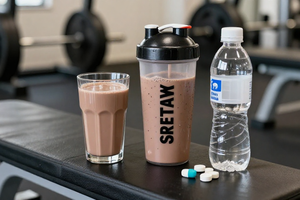

You finish a tough strength session, you eat something soon after, and you figure the recovery work is done. But what if that meal isn't actually delivering what your muscles need? A post-workout meal that looks sensible on the surface can still fall short in ways that slow down repair and leave you feeling less than your best.
Here are four practical signs that your post-exercise eating might be missing the key nutrients your muscles are counting on.
1. You feel sore longer than usual, not just the next day
Some muscle soreness is normal after training hard, especially if you’ve pushed your volume or intensity. But if you're still wincing when you climb stairs three days later, your recovery meal might not be providing enough complete protein. When muscles tear during strength work, they need a steady supply of amino acids to begin rebuilding. A meal low in leucine—the amino acid that directly signals muscle protein synthesis—can mean your body drags its feet on repairs. Aim for about 20 to 40 grams of protein from sources like chicken, eggs, Greek yogurt, tofu, or a quality protein powder.
2. You feel drained and foggy an hour after eating
If your post-workout meal consists mostly of protein with very few carbohydrates, you might be missing an opportunity. After glycogen-depleting exercise—which includes most strength sessions—your muscles and liver need carbs to refill their energy stores. Without them, you can feel sluggish, mentally hazy, and generally low on fuel. Pair your protein with a carbohydrate source such as sweet potato, oats, rice, fruit, or a whole-grain wrap. This combination replenishes glycogen and helps drive amino acids into muscle tissue more effectively.
3. Your energy crashes again within two hours
A meal that spikes your blood sugar and then drops it back down just as fast is a sign you may have eaten too many simple sugars and not enough fiber, protein, or healthy fat. A big glass of fruit juice with a protein bar might seem convenient, but it can leave you riding a blood sugar roller coaster. The result is a second-wave fatigue that sabotages your afternoon. Include a modest amount of healthy fat—avocado, nuts, seeds, or olive oil—and choose whole-food carbohydrates over processed ones. This slows digestion, smooths out your energy curve, and gives your body time to use the nutrients efficiently.
4. You get colds or feel run down more often during training cycles
Hard training places stress on your immune system. If you find yourself catching every bug that goes around the gym, your post-workout nutrition may be missing key micronutrients that support immune function and tissue repair. Zinc, vitamin C, vitamin D, and iron all play roles in recovery and defense. A meal built solely around protein and carbs can still be missing these players. Incorporate colorful vegetables, berries, leafy greens, and a variety of protein sources. Even a small side of bell peppers, spinach, or broccoli makes a difference—and it doesn’t take much to boost your antioxidant and micronutrient intake.
Noticing one of these signs doesn't mean you're doing everything wrong—it's more like a gentle nudge to check the balance of your post-workout plate. A meal or shake that contains a solid protein source, a moderate amount of slow-burning carbohydrates, a touch of fat, and a few servings of colorful plants will generally cover your bases. Keep it simple: eat whole foods soon after training, hydrate well, and listen to how your body responds. That connection is your best guide.