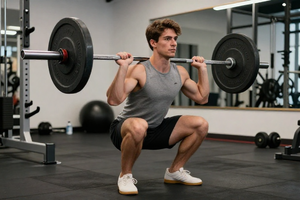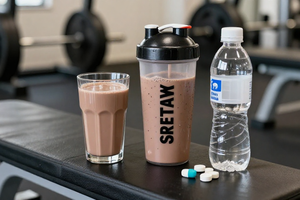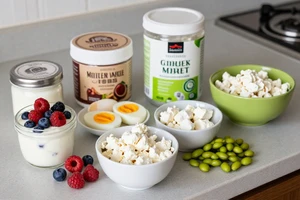

You finished your workout. Your muscles feel warm, a little shaky, and you're wondering what to eat. The answer matters more than you think. The right snack after strength training doesn't just refuel your tank—it actively helps your muscles recover and can dial down the soreness that peaks 24 to 48 hours later.
For beginners especially, that soreness can be discouraging. It might make you hesitate before your next session. But you can take control of recovery starting in the kitchen. These three snacks are simple, evidence-informed, and designed to support muscle repair without complicated meal prep. You don't need protein powders or a cabinet full of supplements—just whole foods that work.
Why post-workout nutrition matters for soreness
When you strength train, you create tiny tears in muscle fibers. That micro-damage is a normal part of getting stronger, but it also triggers inflammation and the familiar ache called delayed onset muscle soreness (DOMS). What you eat in the hour or two after exercise influences how efficiently your body repairs those fibers and calms that inflammatory response.
The ideal recovery snack pairs two things: protein to rebuild and carbohydrates to replenish the glycogen your muscles just used. Adding anti-inflammatory ingredients can take the edge off soreness, too. These three snacks hit all those notes with ingredients you likely already have on hand.
1. Cherry and yogurt bowl
Tart cherries are one of the most researched foods for reducing muscle soreness. They contain anthocyanins—antioxidant compounds that lower inflammation and oxidative stress after exercise. A small study found that drinking tart cherry juice before and after a marathon reduced pain and speeded recovery. But whole cherries work just as well, with the bonus of fiber.
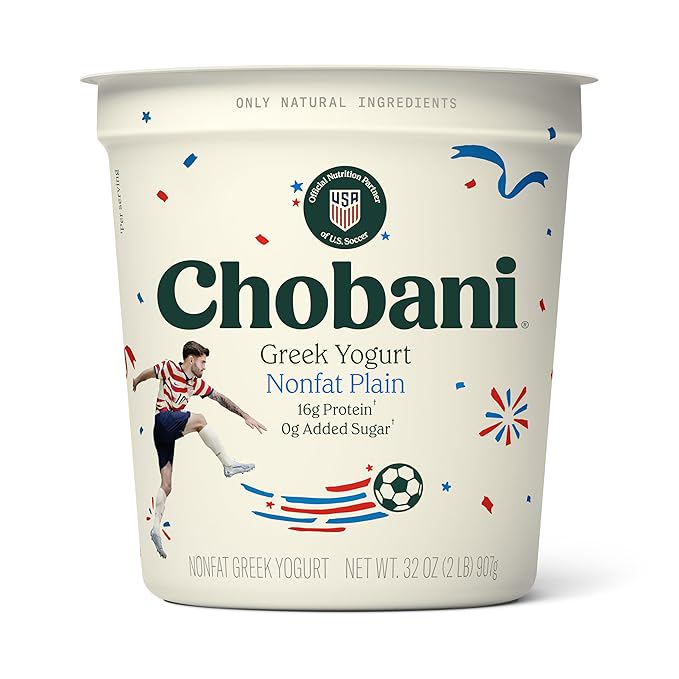
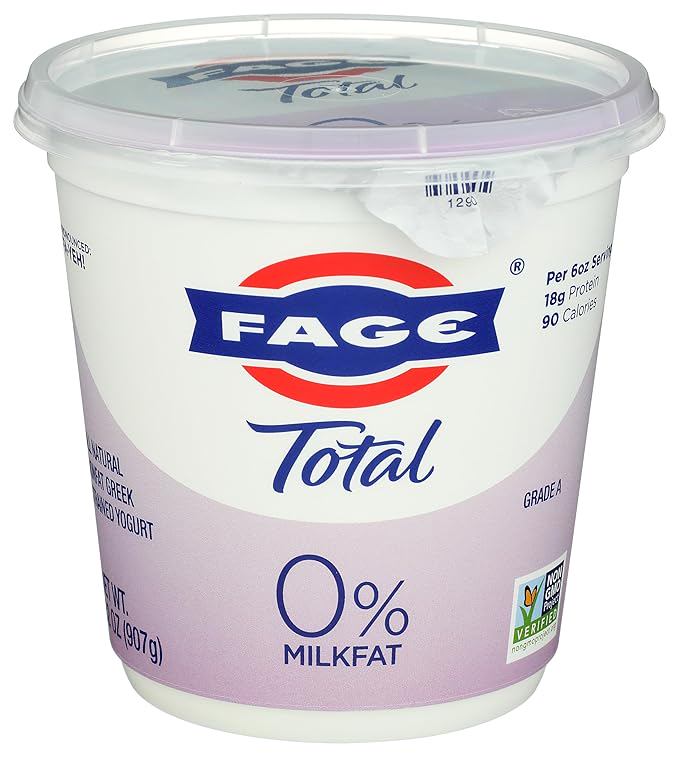
Plain Greek yogurt provides about 15 to 20 grams of protein per serving, plus casein and whey—two types of protein that support muscle repair at different rates. The combination is straightforward and takes two minutes: one cup of plain Greek yogurt topped with a half-cup of frozen or fresh tart cherries. If you prefer a little sweetness, a drizzle of honey or a sprinkle of cinnamon works without undoing the benefits.
This snack covers protein for repair, carbohydrates from the fruit, and targeted anti-inflammatory support from the cherries. It's also portable. Pack the yogurt in a container and keep the cherries separate, then mix them at your desk or in the locker room.
2. Smoked salmon on whole-grain crackers
Salmon is rich in omega-3 fatty acids, particularly EPA and DHA. These fats are known for reducing muscle inflammation and may even help decrease the severity of DOMS. A 2017 review concluded that omega-3s could improve recovery of muscle function after eccentric exercise—the type of movement that usually causes the most soreness, like lowering a weight slowly.
Whole-grain crackers add the carbohydrate piece, while the salmon delivers high-quality, easily digestible protein. This snack also provides vitamin D and selenium, two nutrients that support muscle function and immune health.
Keep it simple: three to four whole-grain crackers topped with about two ounces of smoked salmon. Add a thin layer of cream cheese or avocado if you want extra creaminess and healthy fats. This is a savory option that feels like a small meal rather than a snack, which is helpful if you tend to be hungry after lifting.
One caveat: smoked salmon is high in sodium. If you're watching your salt intake for medical reasons, you might choose fresh grilled salmon instead, eaten cold as leftovers. Otherwise, the sodium can actually help restore electrolyte balance after a sweaty workout.
3. Chocolate milk or a banana with peanut butter
Yes, chocolate milk is a legitimate recovery drink. It has a naturally desirable ratio of carbohydrates to protein—about 4:1—which is close to what sports nutrition guidelines recommend for post-exercise recovery. The carbohydrates replenish glycogen, the protein supports muscle repair, and the fluid and electrolytes rehydrate you.
A 2019 meta-analysis found that milk-based drinks were at least as effective as commercial recovery beverages for improving muscle function and reducing soreness markers after exercise. Cocoa adds antioxidant flavonoids, which may provide an extra anti-inflammatory boost.
You don't need to buy a massive carton. One cup of low-fat chocolate milk consumed within 30 to 60 minutes after your workout is enough. If dairy isn't your thing, the banana and peanut butter combination works similarly.
A medium banana provides about 30 grams of carbohydrates, and two tablespoons of peanut butter add roughly 7 grams of protein plus healthy fats. The potassium in bananas also helps counteract muscle cramps.
Both options are shelf-stable, meaning you can keep a banana and a single-serve peanut butter packet in your gym bag. Chocolate milk is available at most convenience stores or cafeterias. Neither requires any preparation.
Putting it into practice
You don't need to eat all three snacks after every workout. Pick one that fits your taste and the ingredients you have on hand. The timing is what matters most. Aim to eat your chosen snack within about one to two hours after finishing your strength session—the sooner the better, but life gets busy, and that window is flexible enough to work for most people.
For beginners, the goal is consistency. If eating a recovery snack helps you feel better the next day and makes you more likely to go back to the gym, that's the real win. Soreness is normal, but it doesn't have to derail your progress.
Focus on whole foods, get some protein and carbs in after you lift, and let your body do the rest. These three snacks are a practical start—not a prescription, just a way to support the work you're already doing.