Starting a strength training routine is an achievement. You show up, push through the reps, and feel that satisfying muscle fatigue. But the real progress happens after you leave the gym, during recovery. For new lifters, choosing what to drink post-workout can feel like navigating a supplement aisle full of promises.
Here’s the truth: you don’t need a dozen powders or a fancy pre-mixed elixir to recover well. Simple, whole-food drinks can deliver the protein, carbohydrates, and electrolytes your muscles need to repair and rebuild. These four options are easy to make, gentle on digestion, and backed by solid nutritional science for anyone new to lifting.
1. Chocolate Milk: The Classic Refuel
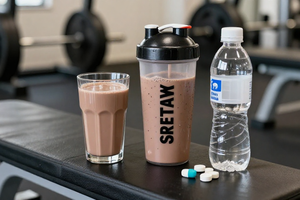
It might sound too simple, but chocolate milk has earned a spot in recovery research. It provides an ideal ratio of carbohydrates to protein—roughly 3:1 or 4:1—which helps replenish glycogen stores and kickstarts muscle repair.
For a new lifter, this means you’re getting casein and whey from the milk, plus a bit of sugar from the chocolate syrup (or cocoa powder) that helps shuttle nutrients into cells. Keep it straightforward: use low-fat or whole milk based on your overall calorie goals, and opt for a minimally processed cocoa powder or a small amount of real maple syrup if you want less refined sugar.
Tip: Drink one 12- to 16-ounce glass within 30 minutes after your last set. It’s hydrating and satisfying.
2. Tart Cherry Juice With Whey or Plant Protein
Tart cherry juice is one of the few drinks consistently studied for reducing muscle soreness and inflammation after exercise. It’s rich in anthocyanins, plant compounds that help calm oxidative stress. Alone, though, it lacks protein. That’s where a scoop of plain or vanilla protein powder comes in.
Blend about 8 ounces of tart cherry juice with a half-scoop of whey or a pea-based protein powder. If the juice is too tart, dilute it with water or add a few ice cubes. This combo tackles soreness and gives your muscles the building blocks they need for repair without the heavy feel of a full meal.
3. Watermelon and Lime Hydrator
Plain water is excellent, but after a sweaty session, your body needs electrolytes like potassium and magnesium. Watermelon is naturally rich in both, plus it contains citrulline—an amino acid that may improve blood flow and reduce post-workout muscle soreness.
To make it: blend two cups of cubed watermelon (seeds removed) with the juice of half a lime and a pinch of sea salt. The salt helps replace lost sodium. Strain it if you prefer a smoother texture, or keep the pulp for extra fiber. This drink is light, refreshing, and takes under five minutes to prepare.
4. Oat Milk and Banana Smoothie
If dairy doesn’t agree with you, or you simply want a carb-focused recovery option, oat milk is a great base. It has more carbohydrates than most plant milks, which helps restore glycogen. Pair it with a banana for fast-digesting sugars and added potassium.
Blend 1 cup unsweetened oat milk, 1 ripe banana, and a handful of ice. For a protein boost, add a tablespoon of almond butter or a half-scoop of collagen peptides. This smoothie is gentle on the stomach and works well right after a workout when you don’t have appetite for a full meal.
What About Timing and Portions?
For new lifters, the ideal recovery window is within 30 minutes to two hours after training. That’s when your muscles are most receptive to nutrients. Start with smaller portions—around 8 to 12 ounces—and adjust based on your hunger and how hard the session was. You don’t need to chug a liter; sip and listen to your body.
When to Opt for Plain Water
These drinks are tools, not rules. On lighter workout days (low volume, fewer sets), plain water plus a balanced meal later may be plenty. Use the recovery drinks on days when you pushed harder or felt especially fatigued. Over-relying on them when you don’t need the extra calories can stall progress toward body composition goals if that’s part of your plan.
Recovery is about consistency, not perfection. One of these drinks after each session can help you feel less sore, stay hydrated, and build momentum as you continue your strength journey.