When you’re cutting calories, what you sip can either support your goals or quietly derail them. Many drinks—even the ones that seem harmless—are packed with sugar, artificial sweeteners, or empty calories that leave you hungry and sluggish. The right choices, on the other hand, can help you feel fuller longer and keep your energy steady throughout the day.
Here are three evidence-backed beverages that work with your diet, not against it.
1. Water—with a few smart upgrades
Plain water is the gold standard for hydration, but it’s not always the most satiating option on its own. The trick is to make it work harder for you. Adding a squeeze of lemon, a few cucumber slices, or a sprig of mint can make it more refreshing without adding sugar. For a more tangible fullness effect, consider sparkling water or seltzer—the carbonation can help stretch the stomach slightly, which may increase feelings of fullness for some people.
Drinking a full glass of water before meals is one of the simplest ways to reduce calorie intake. Studies suggest that people who drink about 16 ounces of water half an hour before eating consume fewer calories during the meal, partly because the water takes up space in the stomach. This isn’t a magic bullet, but it’s a low-effort strategy that can tip the scales in your favor over time.
Quick tip: If plain water bores you, try herbal iced teas or infused water with berries and herbs. Just skip added sweeteners.
2. Black coffee or unsweetened tea
Coffee and tea are naturally low in calories—black coffee has about 2 calories per cup, and unsweetened tea has close to zero. More importantly, the caffeine they provide can give you a mild energy lift, which is especially helpful when you’re eating less and feeling a bit sluggish. Caffeine is also known to slightly increase metabolic rate in the short term, though the effect is modest and varies by individual.
Both coffee and tea contain antioxidants and other compounds that support overall health. Green tea, in particular, has been studied for its potential role in supporting fat metabolism, though it’s not a weight-loss solution on its own. The key is to drink them unsweetened—adding sugar, honey, cream, or flavored syrups turns a zero-calorie drink into a calorie-laden one that can sabotage your deficit.
For satiety, coffee may be less effective than water or protein-based drinks, but it can help curb appetite in some people. If you find that coffee makes you jittery or anxious, stick with herbal or green tea, which has less caffeine and a gentler effect.
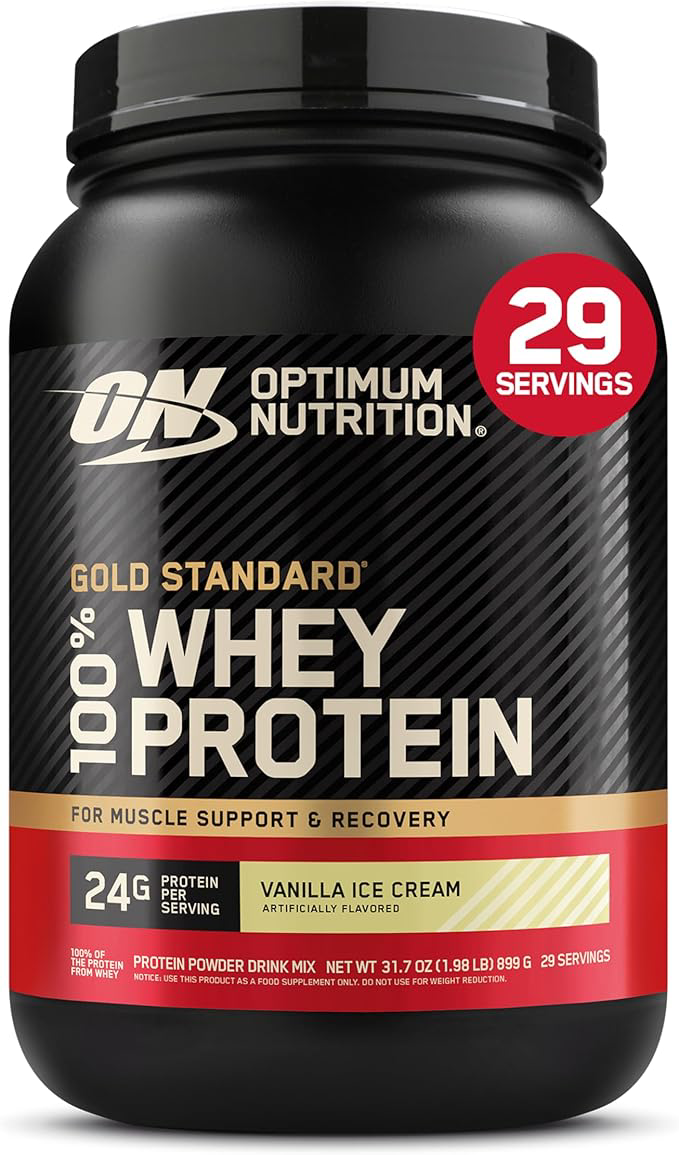
3. Protein shakes or smoothies (made with real ingredients)
If you need a drink that truly keeps hunger at bay for hours, a protein-rich shake or smoothie is your best bet. Protein is the most satiating macronutrient, and when you blend it with fiber from vegetables or fruit, you get a beverage that can serve as a meal replacement or a substantial snack.
The key is to avoid store-bought smoothies or protein drinks that are loaded with added sugar, syrups, and artificial ingredients. A homemade version gives you control. Start with a high-quality protein powder (whey, pea, or hemp), add a handful of spinach or kale for volume and fiber, include a small amount of fruit for flavor and natural sweetness, and use unsweetened almond milk or water as the base. The result is a thick, satisfying drink that provides steady energy without spiking blood sugar.
For satiety, a smoothie with around 20–30 grams of protein and 5–10 grams of fiber can keep you full for three to four hours. That’s especially useful if you’re replacing a meal, or if you need a post-workout recovery option that doesn’t leave you ravenous later.
Caveat: Smoothies are more calorie-dense than water or tea. If you’re using one as a snack, keep portions in check—about 150–250 calories is a reasonable range for between-meal satiety.
What about diet soda, juice, and sports drinks?
Diet sodas are calorie-free, but research is mixed on their effect on weight loss. Some studies suggest that artificial sweeteners may alter gut bacteria or increase cravings for sweet foods, potentially making it harder to stick to a diet. Juice, even 100% fruit juice, is high in natural sugar and calories, and it lacks the fiber of whole fruit, so it’s easy to overconsume. Sports drinks are designed for endurance exercise; unless you’re doing intense activity for over an hour, they’re just unnecessary sugar and electrolytes.
For most people on a weight-loss diet, the best approach is to stick with water, unsweetened coffee or tea, and the occasional protein shake. These options support satiety, provide steady energy, and keep your calorie deficit on track without leaving you feeling deprived.