
For those who practice yoga, joint health isn't just a nice-to-have; it's the foundation of your practice. The fluidity of a vinyasa, the stability in a warrior pose, the gentle release in a forward fold—all depend on the smooth, pain-free movement of your joints. While your mat time builds strength and flexibility, what you consume off the mat plays a crucial supporting role. Certain beverages, particularly teas rich in anti-inflammatory compounds, can be a simple, daily ritual to nurture the cartilage and connective tissue that allow you to move with ease.
Inflammation is a natural bodily response, but chronic, low-grade inflammation can quietly wear on joint tissues over time. The goal isn't to eliminate inflammation entirely but to support your body's natural balance. The teas we'll explore are not miracle cures, but rather gentle, plant-based allies. They offer a way to hydrate while introducing bioactive compounds that may help soothe everyday stiffness and support your body's recovery processes, making that next sun salutation feel a little more effortless.
How tea can support your joints and practice
Think of your daily tea not as a medicine, but as a form of nourishment for your connective tissues. The primary benefit of these teas comes from their dense concentrations of polyphenols—plant compounds with antioxidant and anti-inflammatory properties. For a yoga practitioner, this translates to potentially reducing the oxidative stress that physical activity places on the body and calming the inflammatory pathways that can lead to joint discomfort.
Beyond their specific compounds, the ritual itself holds value. The act of steeping a warm cup of tea encourages a moment of pause and mindfulness, a principle at the heart of yoga. It’s a form of self-care that hydrates—a critical factor for maintaining the synovial fluid that lubricates your joints. When choosing teas, quality matters. Opting for organic, loose-leaf varieties when possible can ensure a higher concentration of the beneficial compounds you're seeking.
Three teas to integrate into your routine
These selections are backed by traditional use and a growing body of research for their supportive properties. The key is consistency; incorporating them regularly, perhaps rotating based on your needs or the time of day, may offer the most noticeable support for your overall well-being and joint comfort.
Green Tea: The antioxidant powerhouse
Green tea is perhaps the most researched tea for joint health, thanks largely to a potent polyphenol called epigallocatechin-3-gallate (EGCG). Studies suggest EGCG may help protect cartilage cells and moderate the body's inflammatory response. For a yogi, this could mean supporting the body's resilience during repetitive movements and holding postures.
To get the most benefit, steep your green tea properly. Use water that's hot but not boiling (around 160–180°F) to preserve its delicate compounds and prevent a bitter taste. Let it steep for 2-3 minutes. A cup in the morning or early afternoon can provide a gentle lift of focus-friendly caffeine alongside its anti-inflammatory perks, making it an excellent pre-practice beverage.
Tip: Add a squeeze of lemon. The vitamin C may help increase the absorption of green tea's key antioxidants.
Ginger Tea: The warming soother
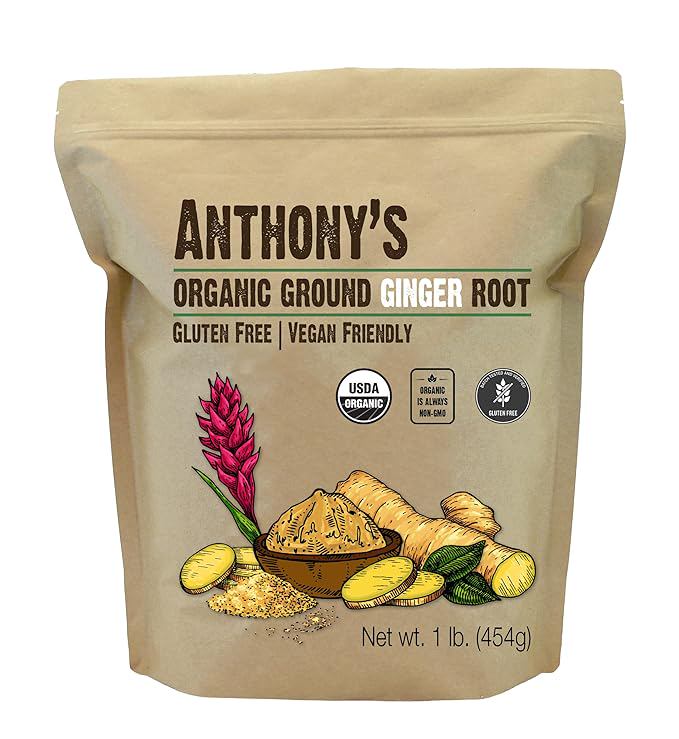
Ginger has a long history in Ayurveda, yoga's sister science, for its warming and digestive properties. Modern science points to gingerols, the active components in ginger, as effective anti-inflammatory agents. Many people find ginger tea particularly helpful for easing morning stiffness or soreness after a more vigorous practice.
You can make a potent tea from fresh ginger root. Simply slice or grate a one-inch piece, pour over hot water, and let it steep for 5-10 minutes. The longer it steeps, the spicier and more potent it becomes. Its warming quality makes it ideal for cooler days or for drinking after an evening practice to promote a sense of comfort. If fresh ginger is too strong, a high-quality ginger tea bag is a good alternative.
Turmeric Tea (Golden Milk): The golden anti-inflammatory
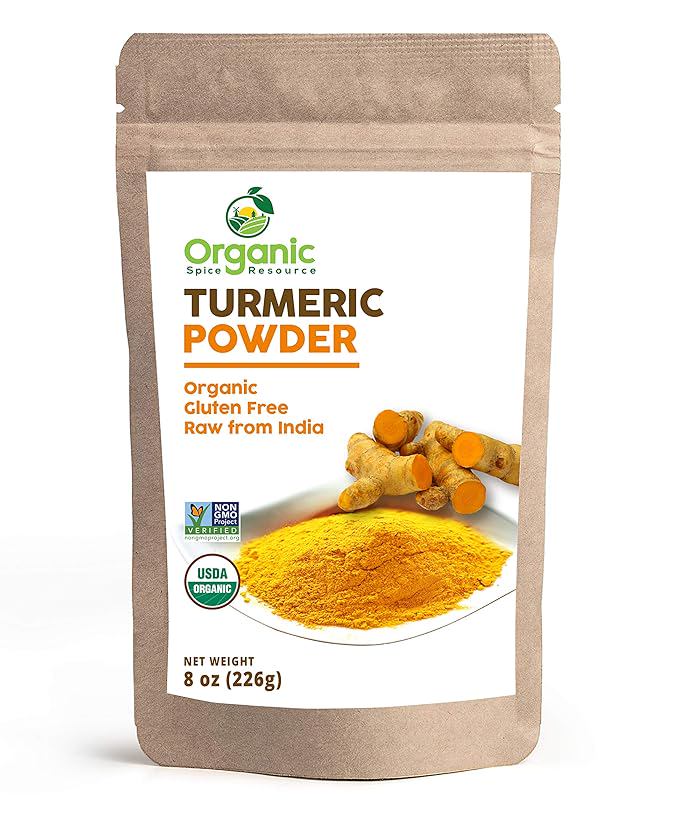
Turmeric, and its star compound curcumin, is celebrated for its powerful anti-inflammatory effects. However, curcumin is poorly absorbed by the body on its own. This is where the traditional preparation of "golden milk" shines. By combining turmeric with black pepper (which contains piperine to boost absorption) and a healthy fat like coconut or almond milk, you create a far more bioavailable and joint-supportive drink.
To make a simple version, whisk ½ teaspoon of turmeric powder, a pinch of black pepper, and a dash of cinnamon into a cup of warm milk of your choice. You can sweeten it lightly with honey if desired. This creamy, soothing drink is perfect as a calming evening ritual. The warmth and spices can help relax muscles and quiet the mind, supporting restful sleep—which is when much of the body's repair and recovery occurs.
Building a joint-supportive hydration habit
Incorporating these teas is most effective as part of a broader approach. Here’s how to think about it:
- Listen to your body. Notice if one tea makes you feel better than another. Your body's response is your best guide.
- Pair with movement. Tea supports your practice, but it doesn't replace it. Consistent, mindful movement like yoga is essential for circulating synovial fluid and maintaining joint mobility.
- Consider the whole diet. Teas are a wonderful addition, but also focus on eating plenty of anti-inflammatory foods like fatty fish, berries, nuts, and leafy greens.
- Stay generally hydrated. Don't let tea replace plain water. Adequate total fluid intake is non-negotiable for joint lubrication.
Remember, changes from dietary additions are often subtle and cumulative. You may simply notice less creakiness as you move into your first downward dog of the day, or a faster recovery after a challenging sequence. Pay attention to these small wins—they're signs your supportive habits are working.