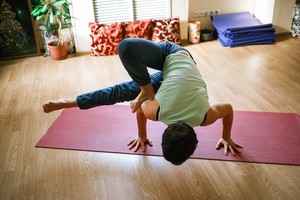
You roll out your mat, settle into Downward Dog, and something feels off. Your hands slide a millimeter wider. Your standing foot wobbles in Warrior II. The block you usually trust tilts under your palm. It’s tempting to blame the mat or the new pose sequence, but sometimes the real culprit is what you drank an hour earlier.
Hydration habits affect how your body grips the mat, how your muscles fire, and how your nervous system handles balance. Before you replace your props, take a look at the liquids that might be sabotaging your stability.
The usual suspect: caffeine overload
A morning espresso can feel like a non-negotiable ritual. But drinking coffee (or strong black tea) within 90 minutes of practice can trigger a subtle tremor in your fine motor control. Caffeine stimulates your sympathetic nervous system — the fight-or-flight branch — which raises your heart rate and increases muscle tension. That tension makes it harder to feel grounded in standing balances like Tree Pose or Half Moon.
If you need caffeine, try having it three to four hours before class, or switch to a lower-caffeine option like matcha or a half-caff brew. The goal isn’t to quit coffee; it’s to avoid the jitter that undermines your grip and proprioception.
Why your favorite sports drink might betray you
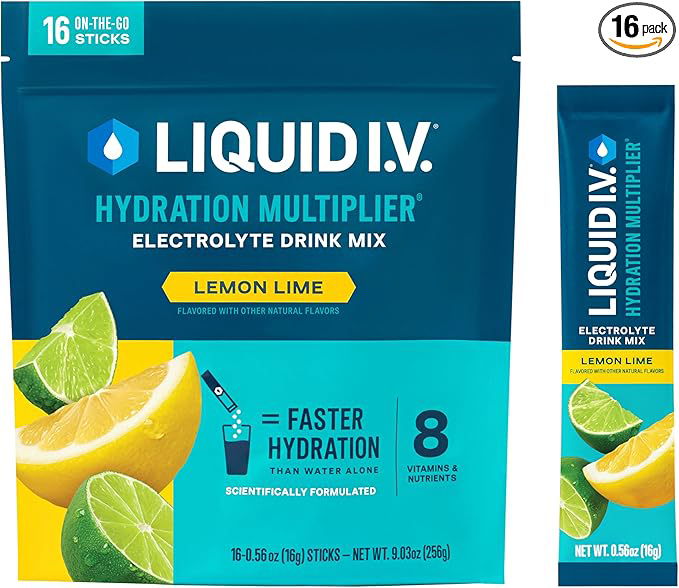
Electrolyte beverages seem like a logical choice for a sweaty yoga session. But many commercial sports drinks contain a heavy dose of sugar — often 14 to 20 grams per serving — alongside sodium and potassium. That sugar spike can lead to a reactive drop in blood glucose midway through practice, leaving you lightheaded or shaky during inversions.
Sticky fingers from sugary residue also reduce your grip on mats and blocks. If you need electrolytes, try a no-sugar additive or a pinch of salt in water with a splash of lemon. Your hands will stay dry, and your energy will remain steady.
The bloating trap: carbonated drinks and dairy
That sparkling water or latte might seem harmless, but both can create abdominal distension that shifts your center of gravity. Carbonation introduces gas into your digestive tract, while dairy can be slow to digest for many adults, causing a feeling of fullness or bloating.
During deep twists or forward folds, that internal pressure makes it harder to engage your core muscles effectively. A bloated belly also pushes your pelvis out of neutral alignment, making balancing poses feel more precarious. Stick with still water or a mild herbal tea in the hour before practice.
Alcohol: the stability saboteur
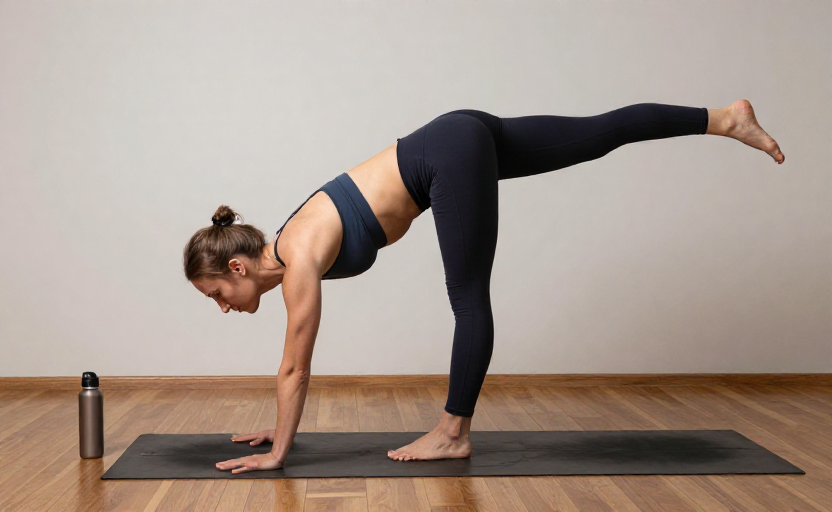
Even a single glass of wine or beer three hours before class can impair your balance and coordination. Alcohol affects the cerebellum, the brain region responsible for fine motor control and equilibrium. Residual dehydration from alcohol also reduces your skin’s traction against the mat, causing hands and feet to slip more easily in poses like Plank or Downward Dog.
For evening classes, try keeping a two- to three-hour buffer after your last drink. Better yet, save the celebratory glass for after Savasana, when you can enjoy it without compromising your practice.
A quick check: The best pre-yoga beverage is plain water. Drink 12 to 16 ounces in the two hours before class, and sip small amounts during practice if needed. Your props will stay put — and so will you.
What about energy drinks and pre-workout formulas?
These fall into their own risky category. Energy drinks combine high levels of caffeine with taurine, B vitamins, and often sugar. Pre-workout powders add beta-alanine and nitric oxide boosters, which can cause a tingling sensation that distracts your focus. Both increase heart rate and can lead to overexertion or nausea in a yoga setting, where the pace is variable and poses demand sustained control.
If you feel you need a stimulant to get through a class, consider adjusting your sleep schedule instead. Yoga is not meant to be an adrenaline sport; the best performance comes from calm, balanced energy.
How your hydration timing matters
It’s not just what you drink — it’s when you drink it. Gulping 32 ounces of water ten minutes before class will leave you sloshing through the first half of practice. Your bladder will feel full, your stomach will stretch, and you’ll be more likely to lose focus during hip openers or inversions.
Space your fluid intake gradually. Aim for steady hydration throughout the day, then taper off about 30 minutes before your session. If you’re thirsty during class, take small sips — no more than a few ounces at a time.
Signs that your drink choice is affecting your stability
Pay attention to these cues during your next practice:
- Your hands slip more on the mat, especially in Plank or Chaturanga
- You feel a slight tremor in your legs during standing poses
- Your stomach gurgles or feels tight in forward folds
- You lose balance a split second into any single-leg pose
- Your grip on blocks feels weak, as if your hands are greasy
Any of these signs can point back to what’s in your water bottle — or not in it. Making a small adjustment to your pre-yoga beverage can transform how your body connects with your props and the mat.