
You finished your run. Your lungs are still burning a little, your shirt is soaked, and your first instinct is to grab whatever bottle is closest. But what you drink in that golden window after a run can either help your body rebuild or quietly sabotage your recovery. Sports dietitians see the same counterproductive choices again and again. Here is what they say to avoid — and what to reach for instead.
Sugary sports drinks when water will do
It feels almost counterintuitive. After burning hundreds of calories and sweating through a workout, a neon-colored sports drink seems like a reward. But unless your run was over 90 minutes, extremely hot, or an intense speed session, that bottle is mostly sugar water. Dietitians point out that many commercial sports drinks pack 20 to 30 grams of sugar per serving, which can spike your insulin and blunt the metabolic adaptations you just worked for. For a standard 30-to-60-minute jog, plain water with a pinch of salt is usually sufficient.
Alcohol, even in moderation
The temptation is real — a cold beer after a long Saturday run is practically a ritual for some. But alcohol is a diuretic, which works directly against your need to rehydrate. More importantly, alcohol can inhibit muscle protein synthesis, meaning your legs won't repair as efficiently. Sports dietitians typically recommend waiting at least two hours post-run before that drink, and pairing it with a solid meal and water. Even a single drink in the immediate recovery window can lower your body's ability to replenish glycogen stores.
“Alcohol after a run is like trying to fill your gas tank with a leak in the hose. It just doesn't work.” — registered sports dietitian
Dairy-heavy smoothies
Not all recovery smoothies are created equal. If you blend a banana with whole milk, yogurt, and protein powder, you might be asking your digestive system to do too much, too fast. After a hard effort, blood flow is redirected away from the gut. A heavy, dairy-rich smoothie can sit like a stone in your stomach. Dietitians often suggest a lighter alternative: water or unsweetened almond milk as the base, with fruit and a scoop of plant-based or whey protein isolate if needed.
Carbonated beverages
That ice-cold sparkling water or diet soda can feel refreshing, but carbonation introduces gas into a system that is already slightly dehydrated and in recovery mode. Many runners experience bloating or uncomfortable fullness from bubbles, which can reduce how much fluid you actually want to drink. Flat water or an electrolyte tablet dissolved in still water delivers hydration without the extra air.
Coffee on an empty stomach
Coffee is a diuretic and a gut stimulant. If you have not eaten or drunk much since your run, a large black coffee can worsen dehydration and cause a jittery crash later. A small cup with a meal is fine, but relying on caffeine as a recovery tool without food can leave you more depleted than you started.
What to drink instead
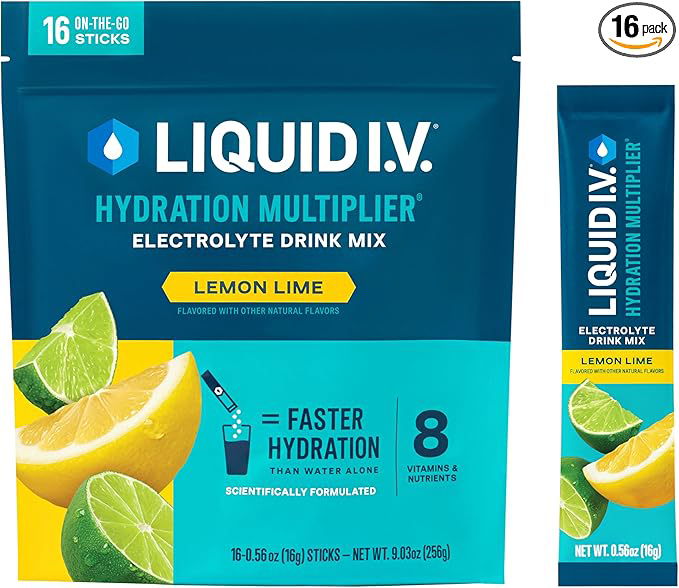
A small handful of recovery drinks actually support your body. Water is the baseline. If you sweat heavily or ran long, a low-sugar electrolyte powder can replenish sodium and potassium without the sugar load. Tart cherry juice has small but promising research behind it for reducing muscle soreness. Chocolate milk — yes, it has sugar, but also protein and carbs in a ratio that works — is a surprisingly effective choice, especially if you tolerate dairy well. The key is matching the drink to the effort you actually did, not the effort you wish you did.
Your post-run drink is a small decision, but it compounds. Make it one that helps your next run feel better, not worse.