After a long day, the last thing you want is to spend an hour in the kitchen—especially when you are trying to keep your heart in good shape. Yet many quick dinners rely on processed ingredients or heavy sauces that can undermine your cardiovascular goals. The good news? A genuinely heart-healthy meal can come together in about 15 minutes, and you do not need to sacrifice flavor to get there.
Celebrity nutritionist Pooja Makhija recently shared a perfect example: a Chilean kiwi salsa that pairs beautifully with grilled fish, chicken, or a simple bowl of beans. The recipe takes minutes to assemble and delivers a serious nutritional punch. Below, we break down what dietitians look for in a fast, heart-friendly dinner and how you can build your own go-to meals using the same smart principles.
Why kiwi deserves a spot on your dinner plate
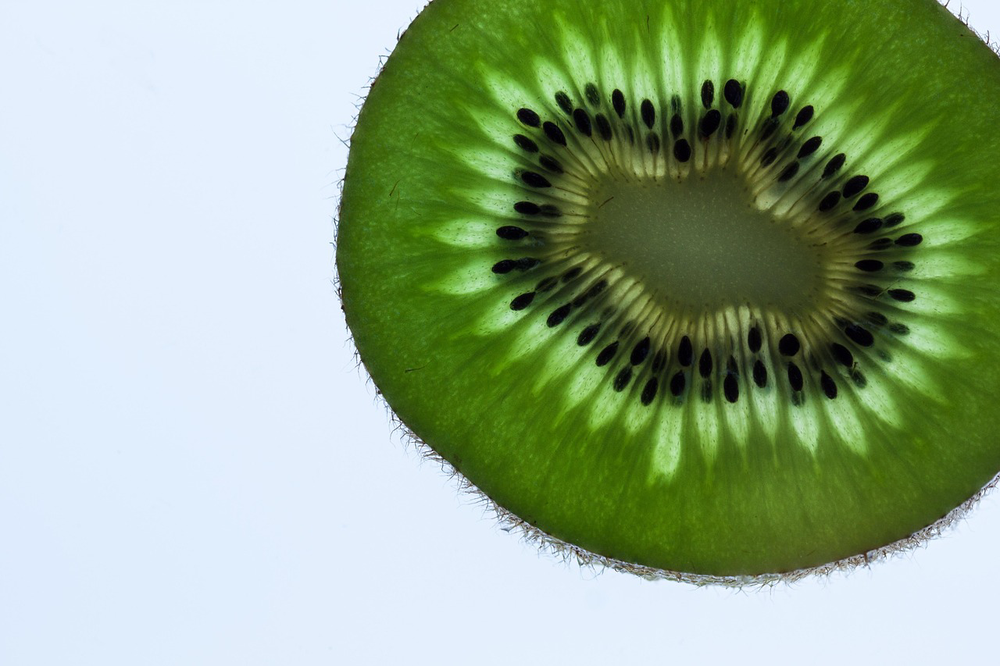
Most people think of kiwis as a breakfast or smoothie fruit, but their tart-sweet flavor works surprisingly well in savory dishes. Makhija’s salsa uses semi-ripe kiwis, onion, cilantro, jalapeño, lime juice, salt, and chili flakes—a combination that brings brightness and a little heat without any added sugar or unhealthy fats.
From a heart-health perspective, kiwis are hard to beat. One medium kiwi contains roughly 230% of your daily vitamin C needs—that is more than double the amount found in an orange. Vitamin C acts as a powerful antioxidant, helping to reduce oxidative stress that can damage blood vessels. Kiwis also provide serotonin, which supports sleep quality, and a surprising amount of omega-3 fatty acids for a fruit. These polyunsaturated fats help fight inflammation, a key driver of heart disease.
Additionally, kiwis are a low-glycemic fruit, meaning they do not spike blood sugar. This makes them an excellent choice for anyone managing diabetes or insulin resistance—conditions that often go hand-in-hand with cardiovascular concerns.
How to build a 15-minute heart-healthy dinner
A well-rounded, rapid dinner does not have to be complicated. Dietitians typically recommend sticking to three components: a lean protein, non-starchy vegetables, and a small serving of complex carbohydrates or healthy fat. The kiwi salsa fits right in as a vegetable-forward topping or side.
Start with protein
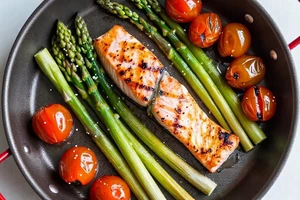
Grilled salmon, skinless chicken breast, shrimp, or firm tofu all cook in under 15 minutes. Salmon is especially heart-friendly because it is rich in EPA and DHA omega-3s. If you are plant-based, a can of rinsed lentils or chickpeas works—just warm them with a little olive oil and garlic.
Add vegetables generously
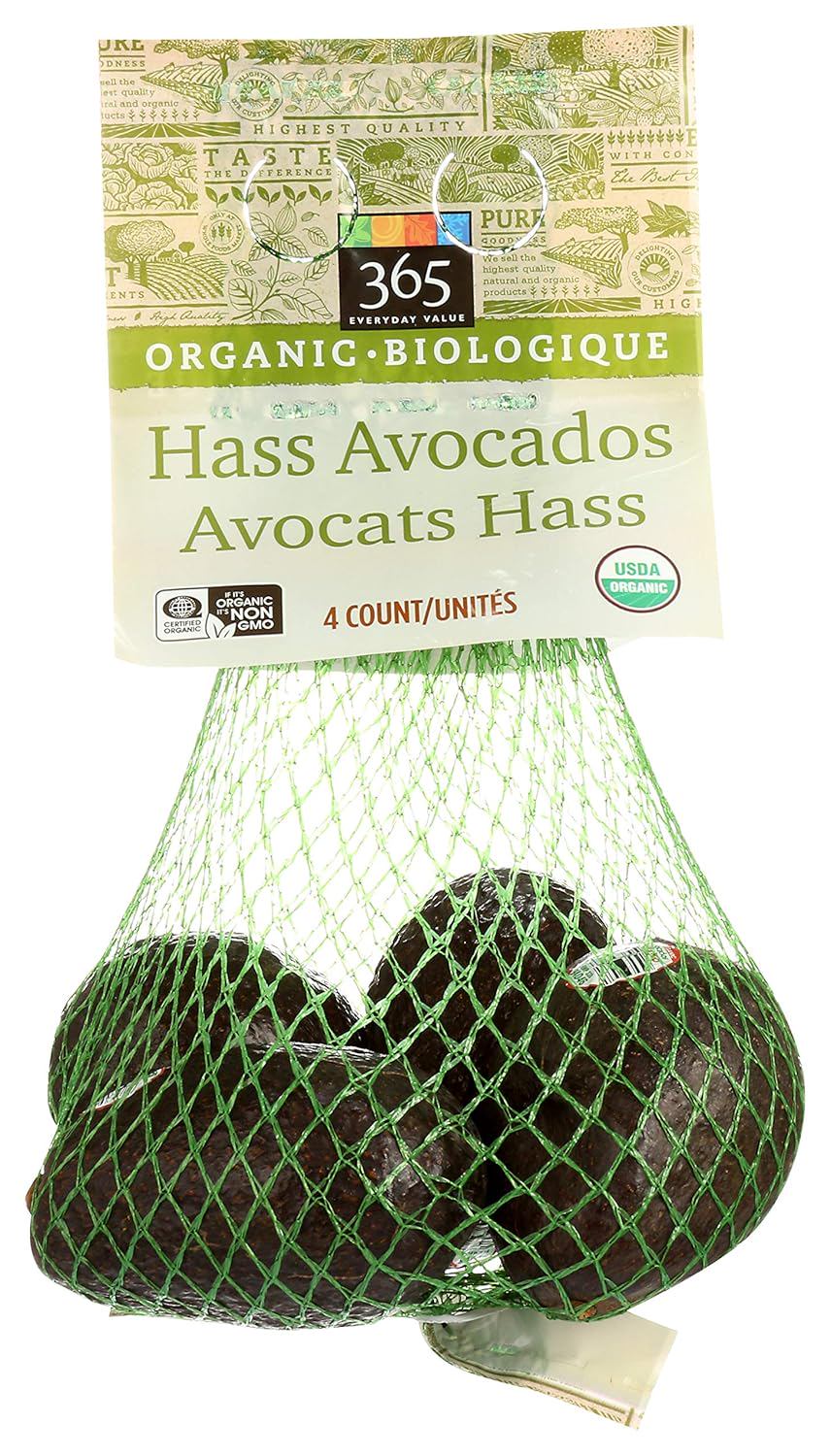
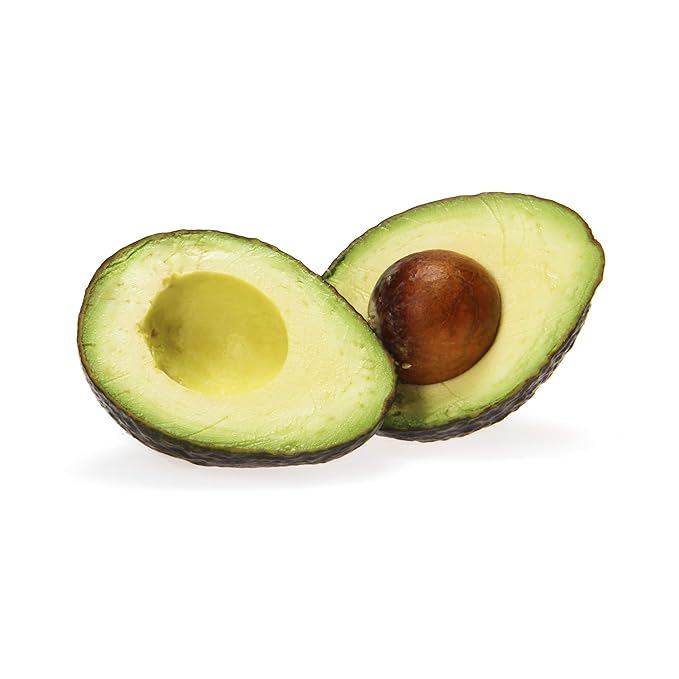
Half your plate should come from vegetables. In the kiwi salsa, you are getting onions, cilantro, and jalapeño, but you can easily bulk it up with diced cucumber, bell pepper, or avocado. Serve the salsa over a bed of arugula or spinach for an instant salad.
Include a smart carb or fat
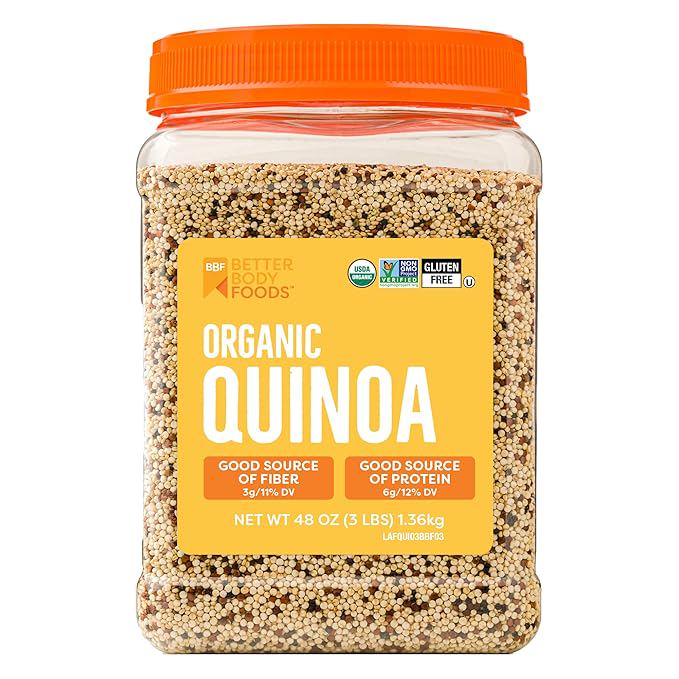
A small portion of quinoa, brown rice, or a slice of whole-grain toast provides sustained energy. Alternatively, you can increase healthy fats by adding a few slices of avocado or a drizzle of extra-virgin olive oil to the salsa.
Three more dietitian-approved fast dinners
Variety is crucial for sticking with any eating pattern. Here are three other 15-minute dinners that follow the same heart-healthy template.
- White bean and tomato skillet. Sauté garlic and crushed tomatoes in olive oil, add a can of drained cannellini beans, and simmer for 5 minutes. Top with fresh basil and a sprinkle of Parmesan. Serve with a side of steamed broccoli.
- Avocado and smoked trout toast. Mash half an avocado on whole-grain toast, layer with flaked smoked trout (or sardines), and finish with lemon juice and black pepper. Add a handful of cherry tomatoes on the side.
- Shrimp and zucchini noodles. Spiralize a zucchini, sauté for 2 minutes, then toss with cooked shrimp, a little pesto, and cherry tomatoes. Everything comes together in one pan.
Simple swaps that protect your heart
Even small ingredient changes can make a meaningful difference over time. Instead of reaching for bottled dressing, use lime juice and a pinch of chili flakes—like Makhija’s recipe—to cut sodium and added sugars. Replace refined white rice with quinoa or cauliflower rice for more fiber. And when you need a quick protein, choose grilled or baked options over fried.
Dietitians also emphasize the importance of unsaturated fats. Kiwis naturally contain some, but you can add a small handful of walnuts or a tablespoon of flaxseed to any meal for an extra omega-3 boost. Just be mindful of portions, because fats are calorie-dense.
Frequently asked questions about quick heart-healthy dinners
Can I make the kiwi salsa ahead of time?
What protein goes best with a fruit salsa?
Is kiwi salsa suitable for people with diabetes?
What if I cannot find Chilean kiwis?
General wellness education only: this article is for informational purposes and does not constitute medical advice. Always consult a healthcare professional for personalized dietary guidance.