
You sit at a desk all day, hunched over a keyboard. Then you roll out your yoga mat, expecting to unwind, and instead feel a familiar twinge in your neck during downward dog or shoulder stand. If this sounds familiar, you are not imagining the connection. The problem often starts at your desk, but the solution can start on your plate.
Neck strain during yoga is rarely about a single pose. It is the predictable result of tight upper trapezius muscles, weak deep neck flexors, and inflamed soft tissue—all of which can be worsened by a sedentary, screen-heavy day. While posture adjustments and stretching help, certain foods directly support muscle recovery and reduce inflammation in the cervical region. Here is what desk workers should consider eating to protect their necks before and after practice.
Why desk work sets the stage for neck strain in yoga
When you sit for hours, your head tends to drift forward. For every inch your head moves forward, the weight your neck muscles must support roughly doubles. This constant low-level tension creates micro-tears and trigger points in the suboccipital muscles and levator scapulae. On the mat, that pre-existing tightness limits your range of motion and makes you more vulnerable to strains, especially in poses that require cervical extension (like cobra) or weight-bearing on the head and shoulders (like plough pose or headstand).
Anti-inflammatory and muscle-supportive nutrients become particularly important here. They do not replace good alignment or adequate rest, but they can reduce recovery time and keep tissues resilient enough to handle the demands of both desk work and inversions.
Magnesium-rich foods for muscle relaxation
Magnesium is probably the single most useful mineral for desk workers who practice yoga. It plays a direct role in muscle relaxation by regulating calcium uptake in muscle cells. When magnesium is low, muscles are more prone to cramping, spasms, and prolonged tightness—exactly the conditions that turn a simple forward fold into a neck-pulling event.
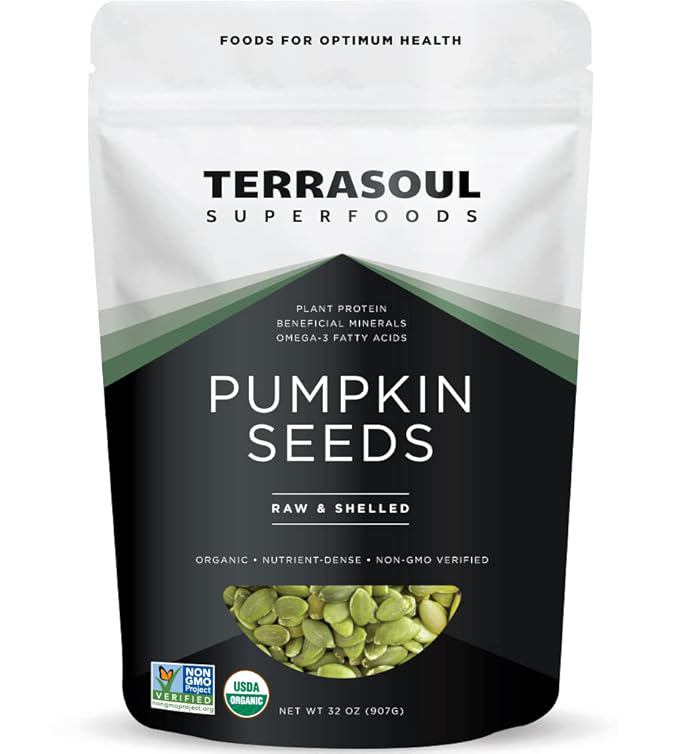
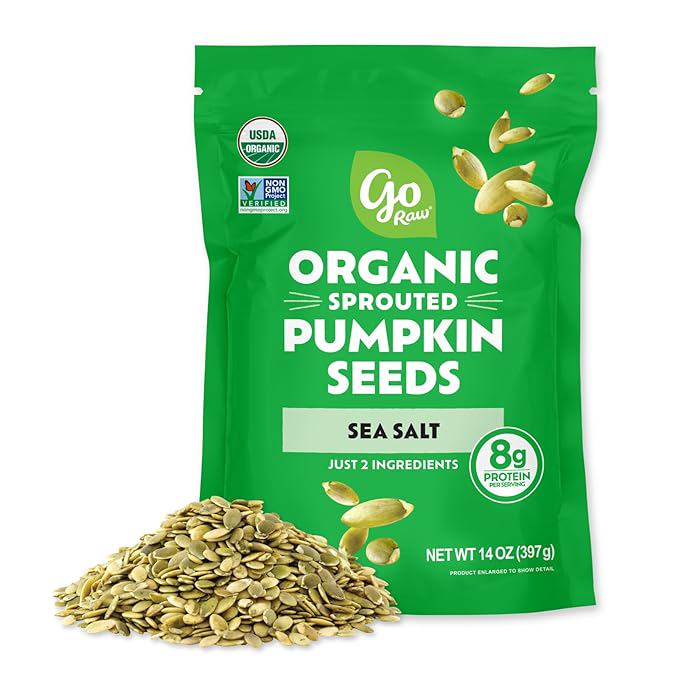
Good sources include pumpkin seeds (one ounce provides nearly 40% of the daily value), almonds, cashews, black beans, and leafy greens like spinach or Swiss chard. Cooking greens does not destroy their magnesium content, so a warm bowl of saag or a side of sautéed kale before an evening practice can support muscle recovery. For desk workers, magnesium also helps counteract the neuromuscular tension that builds during long hours of typing.
A cup of cooked spinach offers about 157 mg of magnesium—roughly 40% of what most adults need in a day.
Omega-3 fatty acids to lower neck and shoulder inflammation
Desk work does not cause dramatic inflammation, but it creates a steady low-grade inflammatory state in the trapezius and rotator cuff muscles. This is partly due to sustained static contraction and reduced blood flow. When you add yoga postures that stretch or compress these areas, inflamed tissues are more likely to ache or strain.
Omega-3s, particularly EPA and DHA from marine sources, help resolve inflammation by producing specialized pro-resolving mediators. Wild salmon, sardines, mackerel, and anchovies are the most concentrated sources. If fish is not part of your diet, whole flaxseeds, chia seeds, and walnuts contain ALA, though the conversion rate to active EPA and DHA is low. Aim for two to three servings of fatty fish per week, or a cod liver oil supplement if needed, to keep inflammatory signaling under control.
Vitamin C and collagen for connective tissue integrity
Your neck contains ligaments, fascia, and intervertebral discs that connect the skull to the top of the spine. These structures rely on collagen for strength and elasticity. Vitamin C is a necessary cofactor for collagen synthesis; without enough, tissues heal more slowly and lose some of their tensile strength.
For desk workers, this means that the cumulative wear and tear of static head-forward posture is less likely to repair itself efficiently. Adding vitamin C-rich foods—bell peppers, kiwis, citrus fruits, broccoli, strawberries—along with collagen-rich bone broth or chicken skin gives your body the raw materials to keep your neck structures pliable. One kiwi provides about 64 mg of vitamin C, more than enough to support daily collagen production.
Hydration and the role of electrolytes
Dehydration is one of the most overlooked causes of neck stiffness. The intervertebral discs in your cervical spine are about 80% water. When you are even mildly dehydrated, those discs lose height and become less effective shock absorbers. This increases the mechanical load on the facet joints and surrounding muscles during yoga poses that involve neck movement.
Plain water is essential, but electrolytes—especially potassium, sodium, and the magnesium already mentioned—help muscles contract and relax properly. Coconut water, a banana with a pinch of salt, or a simple homemade electrolyte drink (water, fresh lemon juice, a pinch of sea salt, and a drizzle of honey) before practice can keep your neck muscles from seizing up during balancing poses or transitions.
Protein timing for muscle repair after practice
Neck strain is not just about inflammation—it often involves minor muscle fiber damage. Adequate protein intake, especially in the hours after yoga, supports the repair of those fibers and reduces residual soreness. Desk workers who skimp on protein throughout the day enter practice with fewer amino acids available for muscle maintenance.
Leucine-rich proteins—eggs, chicken, tofu, Greek yogurt, lentils—are particularly effective at triggering muscle protein synthesis. A small post-yoga snack with about 15 to 20 grams of protein, such as two eggs or a scoop of collagen peptides stirred into a smoothie, can help the neck and shoulder muscles recover faster.
Quick snack ideas for post-yoga neck recovery
- A small bowl of Greek yogurt with chopped walnuts and blueberries
- Rice cakes with smoked salmon and a squeeze of lemon
- Hummus with raw bell pepper strips (vitamin C + protein)
- Edamame sprinkled with flaky sea salt (magnesium + protein)
Foods that may worsen neck strain symptoms
Some foods can amplify inflammation or dehydrate tissues, making existing neck tightness feel worse. These do not cause strain by themselves, but if you are already prone to neck issues, reducing them before yoga may help.
- Processed foods high in omega-6 oils (fried snacks, commercial salad dressings) can shift the body toward a pro-inflammatory state if not balanced with omega-3s.
- Excess caffeine can contribute to mild dehydration and muscle tension through increased stress hormone output.
- High-sodium meals (fast food, deli meats) promote fluid retention and can stiffen connective tissues.
Putting it together into a desk worker's day
You do not need a complicated supplement stack or a rigid meal plan. A practical approach might look like this:
- Breakfast: Scrambled eggs with sautéed spinach and a side of bell peppers. This gives you protein, magnesium, and vitamin C early.
- Lunch: A salad with grilled salmon, mixed greens, pumpkin seeds, and a lemon-tahini dressing. Omega-3s, vitamin C, and magnesium in one meal.
- Afternoon snack: A banana with a handful of almonds and a glass of water. Potassium, magnesium, and hydration before the commute to the studio.
- Post-yoga: A small smoothie with Greek yogurt, a handful of frozen cherries, and a tablespoon of collagen peptides. Protein for repair, antioxidants for inflammation.
If you are preparing for a practice later in the evening, avoid heavy meals within two hours of class. A light snack like those listed above is enough to support your muscles without causing digestive discomfort during core work or twists.
The bigger picture: food as one part of the puzzle
Nutrition supports the body, but it does not replace the need for desk ergonomics and proper yoga technique. A monitor that is too low, a chair without lumbar support, or a habit of craning the neck during savasana can override the benefits of even the most carefully curated diet. Consider food an ally in a broader strategy that includes taking desk breaks every 45 minutes, setting your screen at eye level, and warming up the neck gently before practice.
When you combine these habits with targeted nutrition, the neck strain that once seemed inevitable during yoga can become a rare occurrence rather than a routine one.