Love handles—that bit of extra padding around the waistline—are a common concern, and while they’re a perfectly normal part of many body types, you might be looking for ways to feel more toned and strong in your midsection. If heavy gym sessions aren’t your style, yoga offers a gentle yet powerful alternative. It builds core strength, improves posture, and can help sculpt the waist by engaging the oblique muscles that wrap around your sides.
We asked renowned yoga and spiritual coach Grand Master Akshar for a sequence of accessible poses specifically chosen to target this area. The focus here isn’t on drastic change overnight, but on consistent practice that strengthens your entire core, enhances body awareness, and contributes to overall well-being. Remember, spot reduction isn’t how the body works; these poses help tone the underlying muscle, which can improve definition when paired with a balanced lifestyle.
1. Utkatasana (Chair Pose)
This powerful standing pose is a fantastic full-body energizer. It fires up your leg muscles while demanding significant engagement from your core and obliques to maintain the upright, seated position.
- Stand with your feet together or hip-width apart.
- Inhale and raise your arms overhead, palms facing each other.
- Exhale and bend your knees, lowering your hips as if sitting back into a chair.
- Keep your weight in your heels, your chest lifted, and your spine long. Aim to get your thighs as parallel to the floor as is comfortable.
- Hold for 30 seconds to a minute, breathing steadily.
Keep your knees behind your toes and draw your lower belly in to protect your lower back and deepen the oblique engagement.
2. Santulanasana (Balancing Pose, a variation of Bhujangasana)
Often likened to a hovering cobra, this pose builds incredible strength in the entire back body and core, including the sides of your waist.
- Lie on your stomach, legs extended, tops of your feet on the mat.
- Place your palms under your shoulders, elbows bent and hugging your ribs.
- Inhale, and press through your hands and the tops of your feet to lift your chest, thighs, and knees off the mat.
- Keep your elbows slightly bent, shoulders away from your ears, and gaze forward. Your body should be in one long, straight line from head to heels.
- Hold for a few breaths, then gently lower. Repeat 2-3 times.
3. Chaturanga Dandasana (Four-Limbed Staff Pose)
A cornerstone of vinyasa flow, Chaturanga is a supreme core and arm strengthener. Holding this pose requires your entire torso, especially the obliques, to brace and stabilize.
- From a high plank position, shoulders over wrists, body in a straight line.
- As you exhale, slowly lower your entire body halfway down, keeping elbows hugged tightly to your sides.
- Stop when your upper arms are parallel to the floor. Do not let your shoulders dip below your elbows.
- Hold for a breath or two, maintaining the engaged, plank-like alignment, then lower all the way down or push back up.
4. Vrikshasana (Tree Pose)
Balance poses like Tree don’t just work the standing leg; they require subtle but constant engagement of your core muscles to keep you upright and steady, toning the waist from all angles.
- Stand tall. Shift your weight onto your left foot.
- Place the sole of your right foot on your inner left ankle, calf, or thigh (avoid the knee).
- Bring your palms together at your heart center, or extend arms overhead like branches.
- Find a focal point and hold, keeping your hips level and your core engaged.
- Hold for 30 seconds to a minute, then switch sides.
5. Naukasana (Boat Pose)
This pose is a direct call to your deep core and oblique muscles. The challenge of balancing on your sit bones while keeping the spine long makes it exceptionally effective for toning the entire abdominal region.
- Sit with knees bent, feet flat on the floor.
- Lean back slightly, lifting your feet so your shins are parallel to the floor.
- Extend your arms forward, parallel to the floor. For more challenge, straighten your legs toward the ceiling.
- Keep your chest open and spine straight; avoid rounding your back.
- Hold for 5-10 breaths, building duration over time.
6. Ardha Chandrasana (Half Moon Pose)
This beautiful, dynamic pose intensely works the side body. It stretches and strengthens the standing side’s obliques while challenging your balance and coordination.
- From a standing position, step your left foot back about a leg’s distance.
- Bend your right knee and place your right hand on the floor (or a block) about a foot in front and to the outside of your right foot.
- Lift your left leg to hip height as you straighten your right leg.
- Open your hips and chest to the side, extending your left arm toward the ceiling.
- Gaze up or forward. Hold for several breaths, then switch sides.
7. Matsyendrasana (Lord of the Fishes Pose / Seated Twist)
Twists are renowned for their waist-whittling benefits. This seated twist massages the internal organs, improves spinal mobility, and provides a deep stretch and engagement for the oblique muscles.
- Sit with legs extended. Bend your right knee and cross your right foot over your left leg, placing it on the floor outside your left knee.
- Bend your left knee, bringing the heel close to your right hip.
- Inhale to lengthen your spine, then exhale to twist toward the right.
- Hook your left elbow outside your right knee, or place your right hand behind you for support.
- Hold the twist for 5-8 breaths, then repeat on the other side.
Guidelines for Your Practice
To get the most from this sequence and practice safely, keep a few key principles in mind.
Warm Up First: Never jump into deep poses cold. Spend 5-10 minutes with gentle movements like cat-cow stretches, side bends, and sun salutations to warm the muscles and increase circulation.
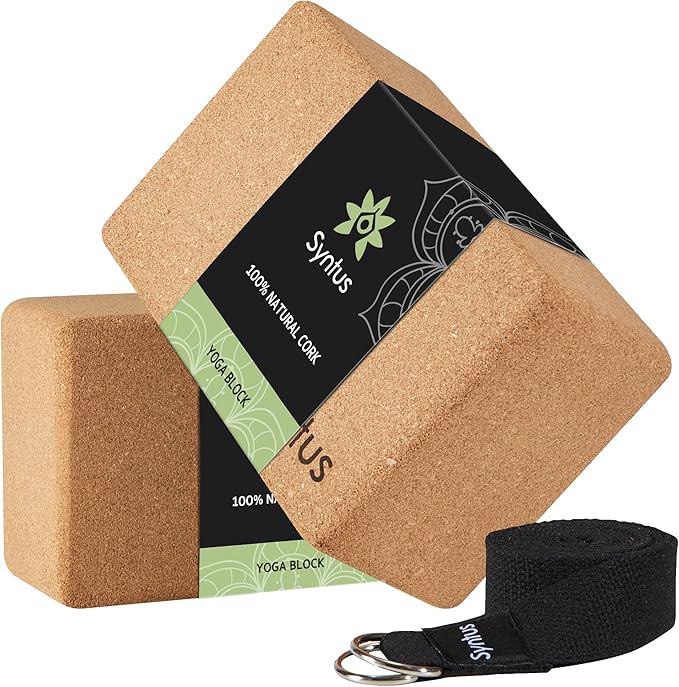
Listen to Your Body: Yoga is not about force. Feel a stretch, not sharp pain. Use modifications (like bending your knees in forward folds) and props (blocks, straps) as needed. Your practice should feel challenging but sustainable.
Consistency Over Intensity: A regular 20-minute practice is far more effective than a single intense hour once a week. Try to incorporate these poses 3-4 times per week, holding each for a few breaths longer as you grow stronger.
Support with Lifestyle: Yoga is one piece of the puzzle. Nourish your body with whole foods, stay hydrated, and ensure you get enough rest. This holistic approach supports your yoga practice and helps you feel your best overall.