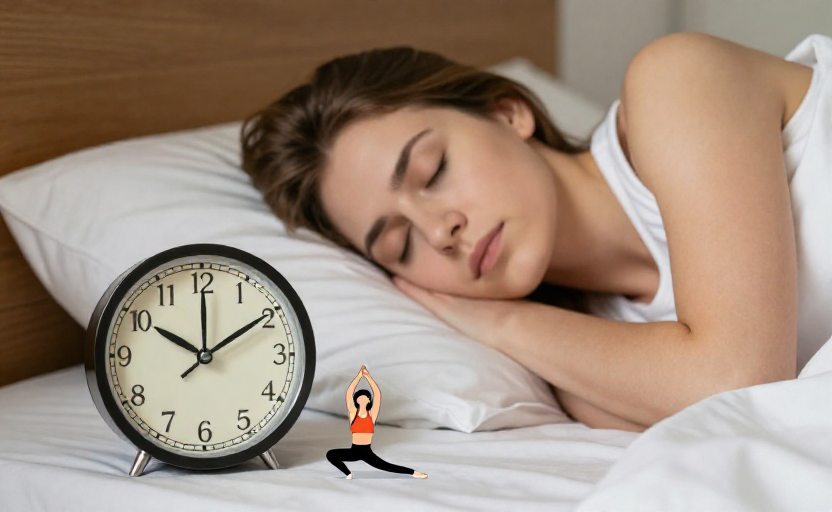
Many people assume that losing weight, especially around the middle, is simply a matter of eating less and moving more. While that equation matters, it leaves out two powerful drivers of body composition: sleep and stress. Research increasingly shows that when either of these is out of balance, the body holds onto visceral fat—the deep belly fat linked to inflammation and metabolic issues—more stubbornly, even if your diet and exercise routine are on point.
Visceral fat is not just the pinchable padding under the skin. It wraps around internal organs and produces hormones and chemicals that can disrupt appetite, mood, and energy regulation. The good news is that you don't need an extreme overhaul to start shifting it. Focusing on two core habits—improving sleep quality and managing daily stress—can create a ripple effect that helps the body release fat more readily. Below, we break down the science behind the sleep-stress-visceral fat connection and the practical adjustments that actually move the needle.
How poor sleep encourages belly fat storage
Sleep is when the body performs crucial housekeeping. When you consistently get fewer than seven hours per night, or your sleep is fragmented and low-quality, several things happen that work against fat loss. Cortisol, the primary stress hormone, can remain elevated even when you are not consciously stressed. Higher cortisol levels signal the body to store fat—particularly in the abdominal area—as a protective measure.
At the same time, sleep deprivation alters the hormones that control hunger: ghrelin (which stimulates appetite) goes up, while leptin (which signals fullness) goes down. This combination makes you more likely to crave high-calorie, carbohydrate-dense foods the next day. It also reduces your motivation to exercise and lowers your overall energy expenditure. Over weeks and months, this pattern creates a perfect environment for visceral fat to accumulate, regardless of how many burpees or kettlebell swings you do.
Why stress amplifies the problem
Chronic stress works through many of the same pathways. When your nervous system perceives a persistent threat—whether from work pressure, financial worries, or lack of downtime—it keeps the body in a low-grade fight-or-flight state. Cortisol remains elevated, and the body responds by holding onto energy reserves, preferentially storing fat in the visceral depot.
Additionally, stress often leads to what researchers call "comfort eating" or emotional eating. These choices tend to be calorie-dense and nutrient-poor, which adds to the fat-storage signal. Even if you manage to eat well during the day, an evening of high stress can undo some of that progress by raising late-night cortisol levels and disrupting sleep quality, creating a feedback loop that is hard to break.
A simple rule: lowering cortisol through rest and recovery can help the body "unlock" visceral fat stores more effectively than pushing harder in the gym.
2 key habits that address both
Instead of trying to fix sleep and stress with separate, complicated protocols, the most effective approach is to find habits that improve both simultaneously. Here are two adjustments with strong evidence behind them.
1. Create a consistent wind-down routine
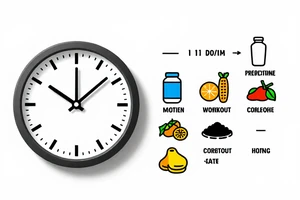
The single most impactful thing you can do for both sleep and stress is to protect the hour before bed. This means dimming overhead lights, putting away screens (blue light suppresses melatonin), and doing a calming activity—reading a physical book, gentle stretching, or a few minutes of slow breathing. This signals to your nervous system that it is safe to shift into rest-and-digest mode, lowering cortisol and preparing the body for deep sleep.
Aim to go to bed and wake up at roughly the same time every day, even on weekends. Irregular schedules confuse the body's internal clock and keep cortisol levels unpredictable. Within two to three weeks, a consistent wind-down can improve sleep quality measurably, and many people notice a reduction in daytime anxiety as well.
2. Incorporate low-intensity movement as a stress release
High-intensity interval training (HIIT) burns calories quickly, but if your stress levels are already high, adding more intense exercise can sometimes elevate cortisol further without giving the body a chance to recover. That does not mean you should avoid HIIT—it just means balancing it with lower-intensity movement that actively reduces stress. Options include a 20–30 minute walk outdoors, gentle yoga, tai chi, or even foam rolling while listening to calming music.
This kind of movement lowers cortisol, improves insulin sensitivity, and promotes better sleep the same night. Over time, it helps reduce visceral fat specifically, because it addresses the hormonal environment rather than just the calorie deficit. For best results, aim for at least three sessions of low-intensity movement per week, preferably in the afternoon or early evening to transition from the workday to rest.
Putting it together into a sustainable rhythm
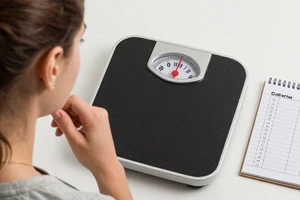
The most effective weight management strategy is not a list of 50 exercises or a strict meal plan—it is a lifestyle rhythm that supports your body's natural recovery cycles. Start by tracking your sleep and stress levels for one week. Notice patterns: Do you feel more stressed on days when you slept poorly? Do you crave sugar after a tense meeting? These connections are valuable data points.
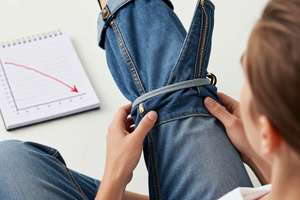
Then, make one small change. Maybe it's going to bed 30 minutes earlier, or swapping a high-stress evening workout for a walk. Once that feels automatic, add the second habit. Over a few months, this combined approach can lead to noticeable reductions in waist circumference and improvements in energy and mood. The body responds better to consistency than to intensity—especially when it comes to the sleep-stress-visceral fat link.
If you find that sleep or stress issues persist despite these adjustments, consider speaking with a healthcare provider. Underlying conditions such as sleep apnea, thyroid imbalances, or chronic anxiety can interfere with fat loss and require targeted support. For most people, though, addressing sleep and stress first creates the foundation that makes everything else—nutrition, exercise, fat loss—work far more smoothly.