
You’ve been diligent—watching your portions, moving your body, hitting your macros. Yet the scale refuses to budge. That stubborn plateau can feel like a personal failure, a sign that your willpower is waning. But what if the missing piece isn’t found in your kitchen or your gym, but in your bedroom? The connection between sleep and fat loss is profound, yet it’s often the first thing we sacrifice in a busy life. Understanding this link can shift your perspective from frustration to strategy.
Think of your body not as a simple calorie calculator, but as a complex, hormonally-driven system. Sleep is the nightly reset button for that system. When you shortchange rest, you don’t just wake up tired; you wake up with your metabolic and hormonal landscape tilted against your weight loss goals. It’s a biological reality that can undermine even the most perfect diet.
How Does Poor Sleep Disrupt Your Metabolism?
Sleep deprivation acts like a silent saboteur, influencing key hormones that regulate hunger, fullness, and fat storage. Two primary players are ghrelin and leptin. Ghrelin signals hunger to your brain, while leptin communicates fullness. When you’re sleep-deprived, your body produces more ghrelin and less leptin. The result is a powerful one-two punch: you feel hungrier, and you feel less satisfied after eating.
Missing even a few hours of sleep can increase ghrelin (the hunger hormone) and decrease leptin (the satiety hormone), setting the stage for increased calorie intake.
Beyond appetite, sleep affects your body’s stress response. Less sleep elevates cortisol, a stress hormone that, when chronically high, can promote fat storage, particularly around the abdomen. It also makes your cells more resistant to insulin, the hormone that ushers glucose out of your bloodstream. This insulin resistance makes your body more likely to store calories as fat and less likely to burn stored fat for energy.
The Vicious Cycle of Fatigue and Food Choices
It’s not just about hormones; it’s about decision-making. When you’re exhausted, your brain’s prefrontal cortex—the area responsible for willpower and complex decision-making—is impaired. Meanwhile, the brain’s reward centers become more active in response to images of high-calorie, sugary, and fatty foods.
This neurological shift isn’t a lack of discipline; it’s a biological drive for quick energy. You’re far more likely to reach for that sugary snack or refined carb when you’re tired because your brain is seeking the fastest possible fuel source. Furthermore, fatigue saps your motivation for physical activity, making that planned workout feel like an insurmountable hurdle.
Sleep’s Role in Muscle Recovery and Metabolic Rate
If you’re exercising to build metabolism-revving muscle, sleep is your most powerful recovery tool. Muscle repair and growth happen primarily during deep sleep, when human growth hormone is released. Skimping on sleep disrupts this process, leaving you with poorer recovery, more soreness, and less effective workouts over time.
Your resting metabolic rate (RMR)—the calories you burn at complete rest—can also be subtly impacted. While the direct calorie burn from sleep itself isn’t massive, the cumulative effect of hormonal dysregulation, increased appetite, and impaired recovery creates an environment where maintaining a calorie deficit becomes significantly harder.
Practical Steps to Prioritize Sleep for Weight Management
Improving your sleep isn’t about perfection; it’s about consistent, manageable habits that signal to your body that it’s time to wind down and restore.
Establish a Consistent Schedule
Try to go to bed and wake up at roughly the same time every day, even on weekends. This regularity strengthens your body’s internal clock (circadian rhythm), leading to more restful and predictable sleep.
Create a True Wind-Down Routine
The hour before bed should be a buffer zone from the day’s stress. Dim the lights, put away screens (the blue light suppresses melatonin), and engage in a calming activity like reading a physical book, gentle stretching, or listening to calming music.
Optimize Your Sleep Environment
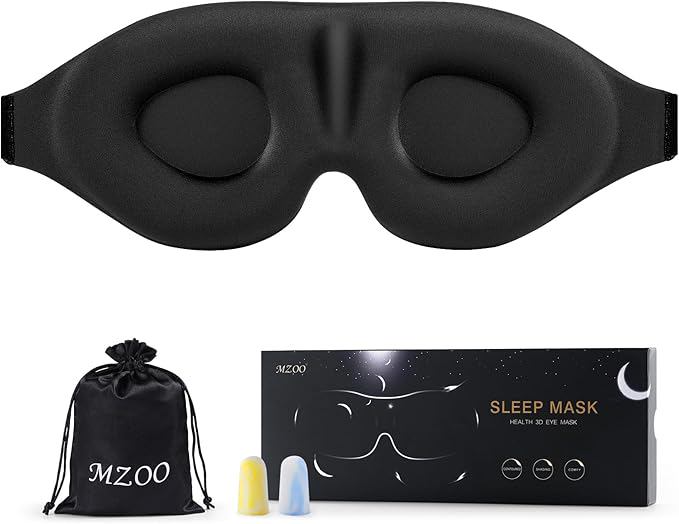
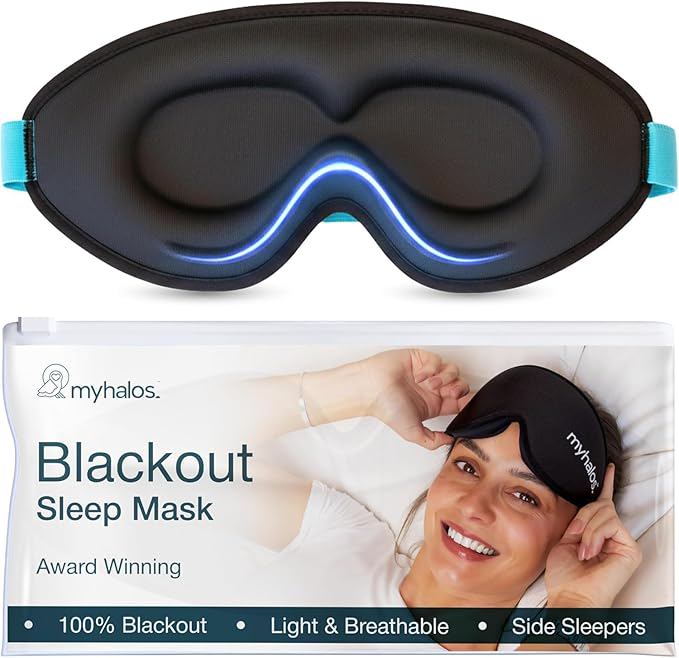
Your bedroom should be cool, dark, and quiet. Consider blackout curtains, a white noise machine, and ensuring your mattress and pillows are comfortable and supportive.
Be Mindful of Evening Intake
Avoid large meals, caffeine, and alcohol too close to bedtime. While alcohol might make you feel drowsy initially, it severely disrupts sleep quality later in the night.
Viewing sleep as a non-negotiable pillar of your health, equal to nutrition and exercise, is the first step. When you hit a plateau, instead of restricting calories further or adding another exhausting workout, consider auditing your sleep. Are you giving your body the foundational rest it needs to regulate hormones, recover from activity, and make clear-headed choices? By protecting your sleep, you’re not being lazy—you’re actively creating the internal conditions necessary for sustainable fat loss to occur.