Intermittent fasting is less about what you eat and more about when you eat, but the food choices you make during your eating window are what determine whether your efforts pay off. Many people fall into the trap of breaking a fast with a jolt of sugar or carbs, only to feel sluggish an hour later. Others restrict so heavily during their feeding hours that they end up binge-eating at the next meal.
Planning your meals with intention is the difference between spinning your wheels and seeing steady, predictable progress. This guide focuses on the practical structure of those meals—what to prioritize, how to sequence your eating window, and how to avoid the common pitfalls that sabotage even the most disciplined fasters.
Why meal structure matters more than calorie counting during IF
When you are fasting, your body is in a unique metabolic state. Your insulin levels are low, and your cells are more sensitive to the nutrients you eventually provide. That first meal is not just fuel; it is a signal to your body to shift gears. A poorly planned meal can spike blood sugar and insulin, blunting the benefits of the fast.
The goal is to design meals that support stable blood sugar, sustained energy, and a feeling of satiety that lasts until your next eating window. This means prioritizing protein, fiber, and healthy fats while minimizing refined carbohydrates and added sugars.
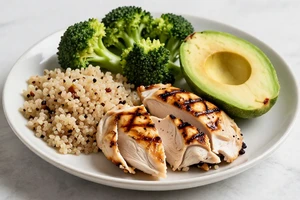
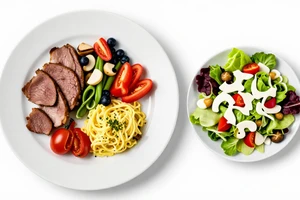
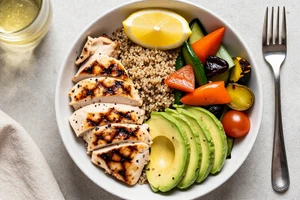
A practical rule of thumb: your plate should look like a composition of lean protein, non-starchy vegetables, a modest portion of complex carbohydrates, and a source of healthy fat. This combination slows digestion and provides the amino acids your muscles and brain need without triggering a dramatic insulin response.
Structuring your first meal after a fast
The meal that breaks your fast is arguably the most important. A common mistake is to eat a very large meal too quickly, which can lead to digestive discomfort and post-meal fatigue. A better approach is to ease into the eating window with a moderate, balanced meal, then have a second meal or snack later.
One strategy that works for many is to break the fast with a meal that is roughly 350–500 calories, composed primarily of protein, fiber, and fat. Save the carbohydrates for later in the feeding window if you plan to exercise or need energy for evening activities.
Examples of solid first meals:
- Scrambled eggs with spinach and avocado, paired with a small side of berries.
- A large salad with grilled chicken, chickpeas, olive oil, and lemon juice.
- Greek yogurt with nuts, seeds, and a sprinkle of cinnamon (if it fits your fasting schedule).
Avoid starting with sugary smoothies, fruit juice, or refined grains like white bread or sugary cereals. These enter the bloodstream quickly and may leave you hungry again within two hours.
Balancing the eating window: two meals vs. three meals
Most intermittent fasting schedules fall into one of two patterns: the 16:8 method (fast for 16 hours, eat within an 8-hour window) or the 18:6 method (fast for 18 hours, eat within 6 hours). Within these windows, you can choose to eat two larger meals or three smaller ones. There is no single right answer, but there are practical considerations.
Two-meal schedules often work better for people who prefer larger, more satisfying meals and do not mind going longer between eating. Three-meal schedules can help prevent over-hunger and may be easier for people who are active or have higher calorie needs.
For a 16:8 schedule, a common approach is to eat a moderate lunch around 12:00 PM (your first meal), a substantial dinner around 6:00 PM, and perhaps a small snack or second dinner later if needed. This keeps your energy stable throughout the afternoon and evening.
For an 18:6 schedule, the shorter window typically means just two solid meals. A common pattern is to break the fast at 1:00 PM with a protein-rich meal, then have a larger, well-rounded meal at 6:00 PM. Some people add a small protein snack near the end of the window to support overnight repair.
Nutrient timing for exercise and energy
If you exercise, timing your meals around your workouts matters more than the exact calorie split. Exercising in a fasted state is fine for many people, but you should plan to eat within a few hours afterward to support recovery.
- Morning fasted exercise: Break your fast with a meal that includes protein and carbohydrates to replenish glycogen and repair muscle tissue. Think salmon with sweet potato and broccoli.
- Afternoon exercise: If you work out during your eating window, have a small protein-rich snack 30–60 minutes before your workout, then follow with your main meal.
- Evening exercise: If you finish a workout close to the end of your eating window, prioritize a meal with protein and a modest amount of carbohydrates before the window closes.
Common meal planning mistakes that sabotage results
Even with the best intentions, certain patterns can undermine your progress. Here are the most common ones to watch for:
- Under-eating during the window: Restricting calories too aggressively during the feeding period can slow your metabolism and lead to extreme hunger during the fast, increasing the likelihood of breaking early.
- Overcompensating with processed foods: Fasting is not a free pass to eat low-quality convenience foods. A diet high in ultra-processed items can still cause inflammation and weight gain, regardless of the eating schedule.
- Neglecting hydration: Thirst is often mistaken for hunger. Sip water, herbal tea, and electrolyte drinks (without sugar) throughout the day, including during the fast.
- Skipping vegetables: Fiber is crucial for satiety and digestive health. If your plate is mostly protein and starch, you are missing out on the volume and nutrients that keep you full.
Sample one-day meal plan for a 16:8 schedule
This is not a prescription but a concrete example of how the principles above can look in practice. Adjust portions and foods to your preferences and needs.
Fasting period: 8:00 PM to 12:00 PM (16 hours). Water and black coffee or plain tea allowed during the fast.
12:00 PM (first meal, ~500 calories): A three-egg omelet packed with spinach, mushrooms, and a handful of cherry tomatoes, topped with a tablespoon of shredded cheese and half an avocado on the side. A glass of water with lemon.
3:30 PM (snack, ~200 calories): An apple with two tablespoons of almond butter, or a small handful of almonds and a hard-boiled egg.
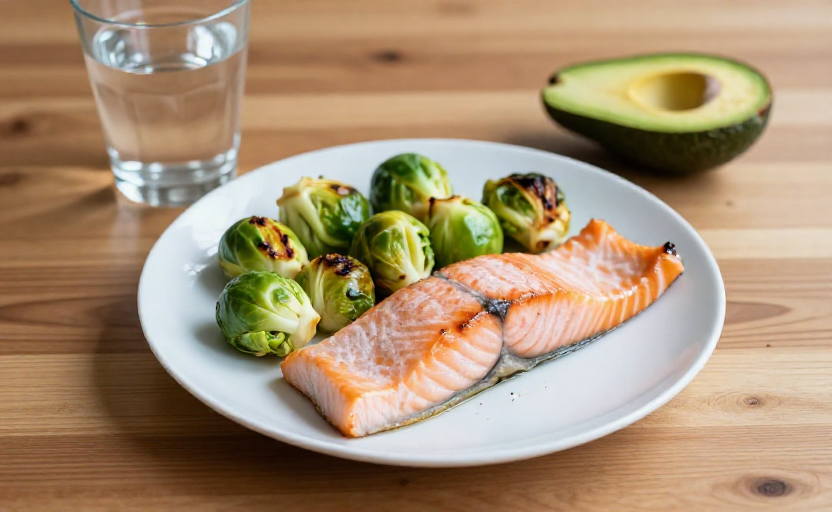
6:30 PM (dinner, ~650 calories): A generous serving of baked salmon with a side of roasted Brussels sprouts and a small roasted sweet potato. A drizzle of olive oil and lemon juice on the vegetables.
8:00 PM (optional small snack, ~100 calories): A small bowl of plain Greek yogurt with a few berries, if still hungry. Then begin the fast.
This pattern provides roughly 1,450–1,600 calories, with a strong focus on protein, fiber, and healthy fats. It avoids refined sugars and empty carbohydrates, keeping blood sugar stable through the next fasting period.
Adapting to your lifestyle
The most effective meal plan is one you can sustain. If you are someone who prefers one large meal and a snack, structure your window around that. If you need three smaller meals because you get lightheaded without regular fuel, plan accordingly. The underlying principle remains the same: within the time you have, prioritize whole foods that support steady energy and metabolic health.
Pay attention to how your body responds. Some people find that high-fat first meals work best; others feel better with more protein or more carbohydrates. Use your energy levels, mood, and digestion as guides. No single meal plan fits everyone, but the fundamentals of balanced nutrition apply to all fasting schedules.