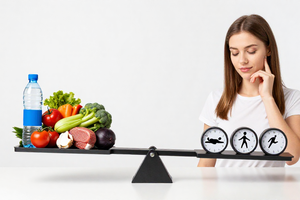

Hitting a weight plateau is a common frustration. You have been eating well and exercising, but the scale has stopped moving. The issue is often that your body has adapted to your current routine. Your calorie needs are not static; they change as you lose weight, gain muscle, or age. That means the plan that worked for you three months ago might now be holding you back.
This is a practical guide to recalculating your energy requirements so you can break through a stall and move forward with confidence.
Why your calorie needs change
Your total daily energy expenditure (TDEE) is the number of calories your body burns in a day. It is influenced by your basal metabolic rate (BMR), which is the energy needed to keep you alive at rest, plus the calories burned through movement and digestion. When you lose weight, your body becomes smaller and typically requires less fuel to function. This is called metabolic adaptation. If you do not adjust your intake to match your new, lower TDEE, the deficit that once helped you lose weight may disappear.
A plateau is not a sign of failure. It is a signal that your current equation needs recalibration. Recalculating your needs means looking at three main factors: your current weight, your activity level, and the quality of the foods you are eating.
Step-by-step recalculation method
1. Get an accurate baseline
To recalculate, you need a reliable starting point. Weigh yourself consistently—first thing in the morning, after using the bathroom, without clothes. Use that number for one week to find your average weight. This is your current body weight, which will be the foundation of your new calorie estimate.
2. Use a trusted formula
You do not need a medical lab to get a realistic estimate. Use the Mifflin-St Jeor equation, which is widely recommended by nutrition researchers:
- For men: BMR = (10 × weight in kg) + (6.25 × height in cm) – (5 × age in years) + 5
- For women: BMR = (10 × weight in kg) + (6.25 × height in cm) – (5 × age in years) – 161
Once you have that number, multiply it by an activity factor:
- Sedentary (little to no exercise): BMR × 1.2
- Lightly active (1–3 days per week): BMR × 1.375
- Moderately active (3–5 days per week): BMR × 1.55
- Very active (6–7 days per week): BMR × 1.725
- Extremely active (hard daily exercise or physical job): BMR × 1.9
The result is your estimated TDEE. For weight loss, a common approach is to subtract 300–500 calories from that number, but individual responses vary. You do not need to go below 1,200 calories per day for women or 1,500 for men unless under medical supervision.
3. Factor in your training volume
If you have added more intense workouts since you last calculated, your activity level may have shifted. Strength training builds muscle, which burns more calories at rest than fat does. Cardio also increases your daily burn. Re-evaluating your activity factor honestly is one of the most effective adjustments you can make.
A good rule of thumb: if you have been logging the same workout for weeks and feel no progress in strength or endurance, your body has adapted. It may be time to increase your training volume or intensity—and recalculate your needs accordingly.
Beyond the numbers: what else to check
Recalculating calories is essential, but it is not the whole picture. A plateau can also stem from other factors that are easy to overlook.
Food quality and tracking accuracy
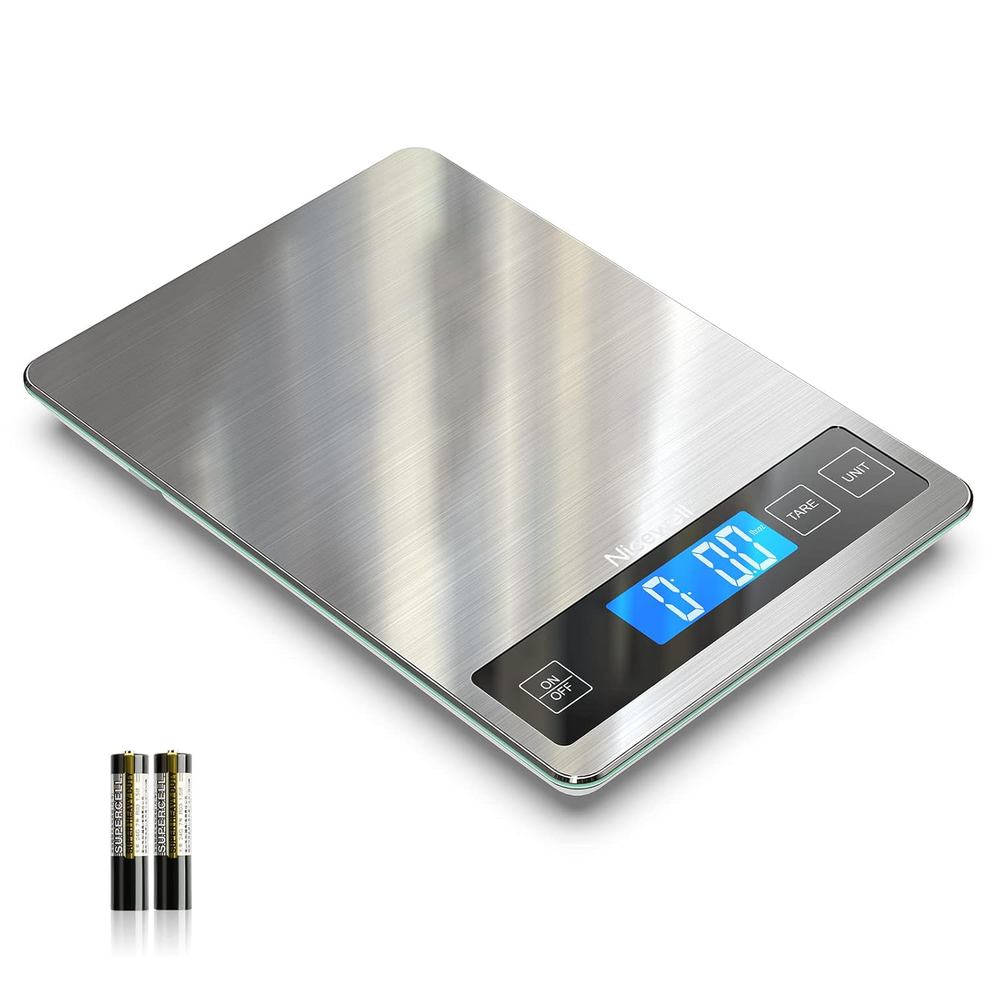
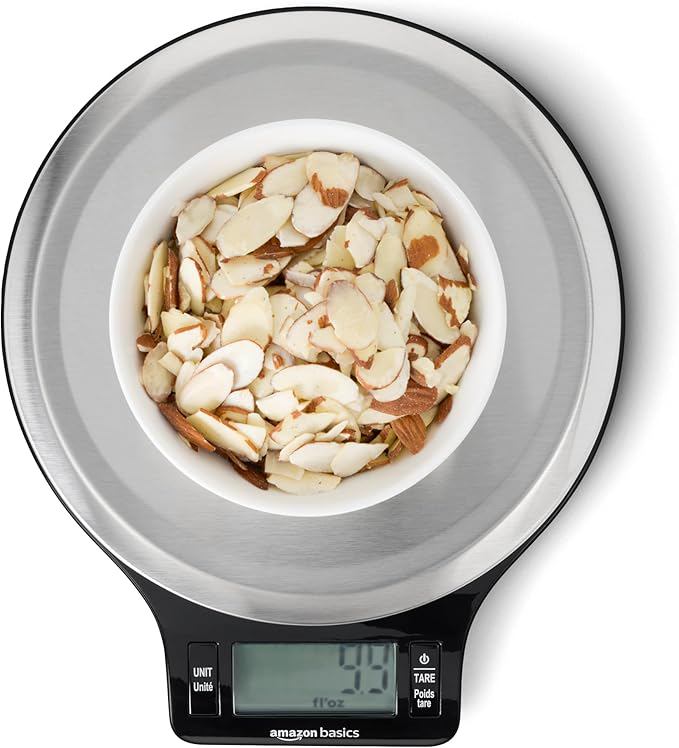
Are you estimating portions by eye or measuring them? Over time, portion creep is real. A handful of nuts can easily become two handfuls. A drizzle of olive oil can be double what you think. Use a food scale for a few days to see if your actual intake matches your planned intake. Processed foods and restaurant meals can also hide oils, sugars, and sauces that change the calorie count significantly.
Sleep and stress
Poor sleep raises cortisol, a hormone that can promote fat storage and increase appetite. Chronic stress does the same. If you are sleeping fewer than seven hours a night or under constant pressure, your body may be holding onto weight even if your calorie numbers are correct. Prioritizing sleep and stress management can make a real difference.
Hydration and sodium
Water retention from high sodium intake or dehydration can mask fat loss on the scale. If you have recently eaten a salty meal or increased your carb intake, your body may hold more water. This is temporary, but it can stall the scale for days. Staying well-hydrated helps your body regulate fluid balance and supports metabolism.
When to expect results after recalibrating
After you adjust your calorie intake, give your body two to four weeks to respond. Do not change your numbers daily based on the scale. Weight fluctuates due to hydration, digestion, and hormonal changes. Look at weekly trends instead of daily numbers. If after one month the trend line is still flat, you may need to adjust further—either reducing intake by another 100–200 calories or increasing your activity level.
Patience is not passive. It means applying a new plan and letting time do the work. A plateau that lasts a few weeks is normal; a plateau that lasts months is a signal to re-examine your strategy.
Recalculating your calorie needs is not a one-time fix. It is a skill you refine as your body changes. Each recalibration brings you closer to understanding what your body actually requires at this stage of your journey.
Remember: general wellness education does not replace individualized medical advice. Consult a registered dietitian or healthcare provider before making significant changes to your diet or exercise routine.