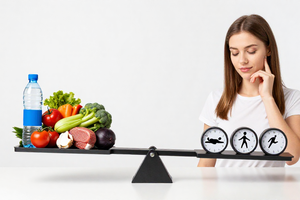

You have lost the weight. You feel proud, and you should. But then, slowly, the number on the scale starts creeping back up. It is frustrating, demoralizing, and surprisingly common. While many factors play into weight regain, one specific meal timing mistake is gaining attention from researchers and dietitians. It is not about what you eat as much as when you stop eating.
The late-night eating trap
The single most common pattern linked to weight regain is consuming a significant portion of daily calories within a short window before sleep. When you eat late at night, your body processes those calories differently than it does during the day. Your metabolism naturally slows as your body prepares for rest. Insulin sensitivity drops, meaning your cells are less efficient at using glucose for energy. That energy is more likely to be stored as fat, particularly visceral fat around the abdomen.
Beyond the metabolic factors, late eating often involves mindless snacking. It is easy to lose track of portions when you are watching television or scrolling on your phone. The habit becomes a loop: you eat late, sleep poorly, wake up tired, and then crave more energy-dense foods the next day.
Why this triggers regain specifically
After intentional weight loss, your body is in a vulnerable state. Your resting metabolic rate is often lower than expected for your new weight. Your hunger hormones, particularly ghrelin, may be more active. This biological environment makes it harder to maintain a calorie deficit. Introducing a steady stream of calories late in the evening works against your body's natural circadian rhythm. It disrupts the overnight fasting period that supports fat oxidation and cellular repair.
Aim to finish your last meal at least three hours before your head hits the pillow. That simple shift may be enough to prevent the metabolic drift that leads to slow, steady regain.
What the research shows
Several studies back this up. Controlled feeding trials have demonstrated that participants who eat the same total calories but consume more of them later in the day show less weight loss and more fat retention. Observational studies on shift workers, who naturally eat against their internal clocks, show higher rates of obesity and metabolic syndrome. The consistency of the finding is strong: timing matters independently of total calories.
One study on weight-loss maintainers found that those who successfully kept the weight off for over a year were significantly more likely to have a consistent eating window that ended earlier in the evening. They did not necessarily eat fewer total calories, but they front-loaded their intake toward breakfast and lunch.
How to fix the mistake
Correcting this habit does not require a complete lifestyle overhaul. Small, targeted adjustments work best for long-term adherence.
- Set a hard stop time. Choose a time, say 7:00 PM or 8:00 PM, after which you do not eat anything except water or unsweetened herbal tea. Treat it like a rule, not a suggestion.
- Redistribute your calories. If you currently eat a small breakfast and a huge dinner, flip that ratio. Make lunch your largest meal. Having a satisfying, protein-rich midday meal reduces the urge to graze in the evening.
- Address the boredom gap. Many late-night snacks are eaten because of habit or boredom, not true hunger. Identify the trigger and replace it with a non-food activity: a brief walk, a stretching routine, or calling a friend.
- Brush your teeth early. This simple sensory cue signals to your brain that eating is over for the day. It creates a psychological barrier that is surprisingly effective.
What about timing for exercise?
This question often comes up in the same conversation. While the source material discusses a celebrity doing jumping squats on a Sunday, the core insight for weight-regain prevention is about meal timing, not workout timing. That said, consistent physical activity supports metabolic health. The key is not to use a tough workout as an excuse to push your eating window later. If you exercise in the evening, have a small, planned post-workout snack within thirty minutes, then close the kitchen.
The big picture on regain prevention
Weight regain is not a sign of failure. It is a sign that your maintenance strategy needs adjustment. Focusing on meal timing gives you a concrete, measurable lever to pull that does not require extreme restriction. It works with your body's biology rather than against it. Start with the timing. Let your body's natural rhythms do some of the work for you.
This article is for general informational purposes only and does not constitute medical advice. Always consult with a qualified healthcare provider before making significant changes to your diet or exercise routine.