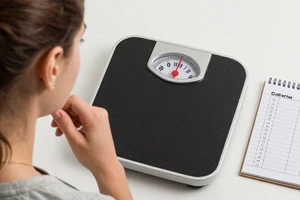
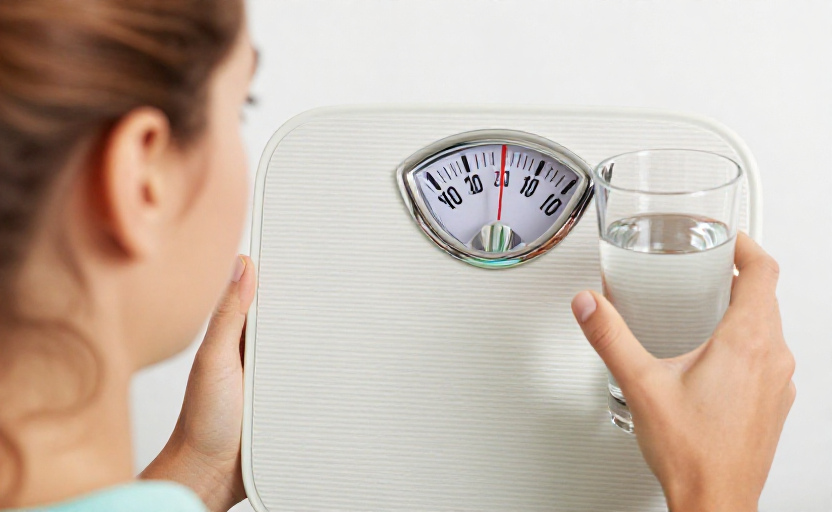
You’re doing everything right. The diet is dialed in, your workouts are consistent, and the scale was moving—until it wasn’t. That frustrating standstill, the weight loss plateau, can feel like a personal betrayal after weeks of effort. While we often scrutinize calories and cardio, one of the most overlooked yet fundamental factors in this equation is something far simpler: water.
Hydration isn’t just about quenching thirst. It’s a core metabolic process. When water intake is insufficient, the body’s intricate systems for burning fat and building energy can begin to sputter, creating an invisible barrier to progress. Understanding this "hydration plateau" can be the key to unlocking the next phase of your journey.
Why Water Is More Than Just a Zero-Calorie Drink
Think of water as the essential lubricant for your body’s metabolic engine. Every single cellular process involved in converting stored energy into usable fuel requires an aqueous environment. When you’re well-hydrated, these processes—like lipolysis, the breakdown of fat—operate smoothly. When you’re not, the entire system becomes less efficient.
Mild dehydration can subtly slow your resting metabolic rate. Your body, perceiving a resource shortage, becomes slightly more conservative with its energy expenditure. It’s a primal survival mechanism, but in the context of weight loss, it means you’re burning fewer calories at rest than you might be when optimally hydrated.
Chronic under-hydration forces your body to prioritize vital functions, often at the expense of optimal metabolic performance.
How Dehydration Masquerades as a Plateau
The scale stalling isn’t always about fat loss stopping. Sometimes, it’s about water retention starting. It sounds counterintuitive, but not drinking enough can actually cause your body to hold onto water.
Your kidneys, which regulate fluid balance and sodium, require ample water to function properly. When intake is low, the body releases an antidiuretic hormone (ADH) that signals the kidneys to conserve water by reducing urine output. This survival mechanism leads to fluid retention, which can easily mask several pounds of actual fat loss on the scale.
Furthermore, dehydration can impact your workouts—a key driver of weight loss. Even a 2% loss of body weight in fluids can lead to noticeable reductions in strength, endurance, and motivation. You might cut your session short or lift less, unknowingly reducing your total calorie burn.
Beyond the Scale: Other Signs You Might Be in a Hydration Plateau
The number on the scale is one data point. Your body offers other clues that fluid intake may be a limiting factor.
- Persistent fatigue: Energy production in cells relies on water. Dehydration can leave you feeling chronically tired, even with adequate sleep.
- Increased hunger and cravings: The brain often misinterprets signals for thirst as signals for hunger, especially cravings for salty or sweet foods.
- Digestive slowdown: Water is crucial for healthy digestion and preventing constipation, which can contribute to bloating and a stalled feeling.
- Headaches and poor focus: Brain tissue is highly sensitive to fluid balance. Dehydration is a common trigger for headaches and brain fog.
Finding Your Fluid Baseline
The old "eight glasses a day" rule is a decent starting point, but individual needs vary widely. A more personalized approach considers body weight, activity level, climate, and diet.
A common guideline is to aim for between half an ounce and an ounce of water for each pound you weigh. For a 150-pound person, that’s 75 to 150 ounces daily. Activity and heat add to those requirements. The most reliable indicator is your own body: pale yellow urine typically signals good hydration.
Remember, hydration comes from all fluids and many foods. Herbal tea, broth, and water-rich fruits and vegetables like cucumber, watermelon, and celery all contribute to your daily total.
Start your day with a glass of water before coffee. It’s a simple habit that rehydrates you after a night’s sleep and sets a positive tone for the day.
Strategic Hydration to Support Weight Loss
Timing your water intake can amplify its benefits. Drinking a large glass of water 20-30 minutes before meals can promote a feeling of fullness, potentially helping you eat less. Staying consistently hydrated throughout the day, rather than chugging a day’s worth at once, keeps your metabolism humming and hunger signals clear.
If you find plain water unappealing, try infusing it with slices of citrus, cucumber, mint, or berries. The goal is to make hydration effortless and enjoyable, not a chore.
When to Look Beyond Hydration
While optimizing your water intake is a powerful and often-missed step, it’s not a silver bullet. If you’ve consistently addressed hydration for several weeks and the plateau persists, it’s time to consider other factors with a nuanced eye.
Your body may have adapted to your current calorie intake and exercise regimen. It might be helpful to consult with a healthcare professional or registered dietitian to reassess your nutritional needs, which can change as you lose weight. They can help you explore if you need a subtle recalibration of your plan rather than a drastic overhaul.
Ultimately, breaking through a plateau is often about subtle shifts, not sweeping changes. Ensuring you are fully and consistently hydrated is one of the most fundamental, cost-effective, and impactful shifts you can make. It supports every other effort, from nutrition to exercise, and reminds us that sometimes the simplest element is the one we’ve neglected.