Your yoga mat, blocks, and straps work hard. They absorb sweat, pressure, and the occasional drop. Over time, they wear down. But it’s not always obvious when a prop has gone past its prime. There’s one daily habit that acts like a built-in warning system — if you know what to look for.
That habit is your practice itself. The way your hands slide, the way your block compresses, the way your strap holds — these are quiet signals. You don’t need a calendar reminder. You need to pay attention during your next few sessions.
What your hands feel on the mat
The most direct cue comes from your grip. A fresh mat gives you a stable, non-slip surface. When the material starts breaking down, you’ll notice subtle changes:
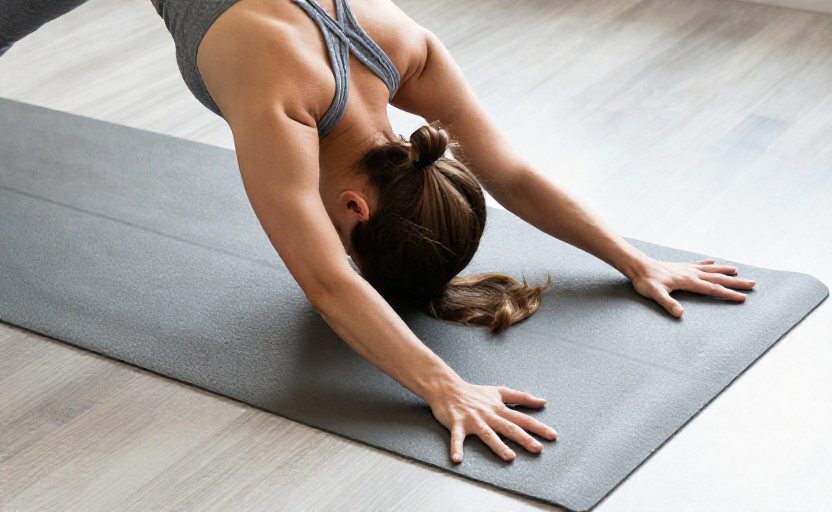
- Slipping in Downward Dog. If your hands or feet slide outward, the top layer may be worn smooth or the rubber may have lost its tack.
- Thin or shiny spots. Areas where your hands and feet press down repeatedly can develop a smooth, almost polished surface. That’s the grip layer eroding.
- Crumbling edges. If the edge of your mat flakes or crumbles when you roll it, the material’s structure is degrading.
These aren’t just annoyances. A slippery mat changes the alignment of your poses and forces your muscles to compensate. Over time, that can strain your wrists and shoulders.
If you notice a change in friction during standing poses, check the mat — not the humidity.
Block compression that never bounces back
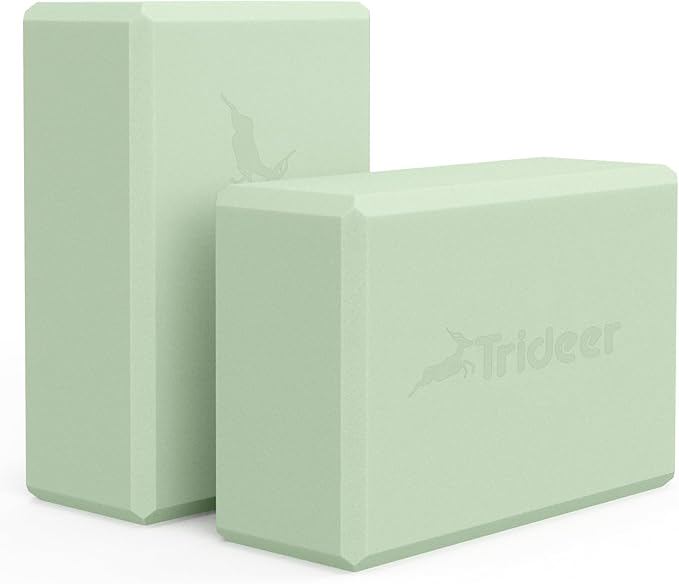
Foam and cork blocks do more than support; they also absorb force. When they’re new, they compress slightly under your weight and spring back almost immediately. As they age, the foam loses its resilience.
The warning sign is simple: your block feels softer or flatter than it used to. You might notice your hand sinking deeper, or the block feeling less stable when you place weight on it. If a cork block starts leaving small cork dust on your mat, it’s breaking down internally.
Blocks that no longer provide stable support won’t help you hold poses safely. In seated or reclining postures, a compressed block can shift, causing a sudden loss of support — which is both annoying and risky.
Strap wear that shows when you pull
A yoga strap is usually the last prop to get replaced. It’s simple nylon or cotton webbing with a buckle. But even straps wear out in ways you’ll feel. Look for:
- Frayed edges on the fabric or the buckle attachment.
- Buckle slippage. If the metal or plastic ring loosens during a hold, the strap can’t hold your position.
- Snags or tears. A damaged strap may snap under tension — not common, but possible if fibers are cut.
The daily test is during your bind or stretch. If the strap stretches more than it used to (nylon can fatigue), or if the buckle moves when you adjust your grip, it’s retired.
Bolsters and blankets: the deeper signs
Bolsters lose shape gradually. A buckwheat, cotton, or foam bolster that’s compressed unevenly will tilt or wobble. If you have to constantly adjust beneath your knees or back, the filling has migrated or settled. A flat blanket that no longer provides the same cushion under knees or hips is also showing age.
These props are meant to support passive relaxation. If you’re fidgeting with them during Savasana or restorative poses, they’re not doing their job.
How often do you really need to replace these?
There’s no universal rule because it depends on frequency of use, body weight, and material quality. But most practitioners notice signs of wear after about 12 to 18 months of regular practice — earlier for mats used in hot yoga, later for cork blocks and cotton straps.
Think of it like running shoes: you don’t wait until they fall apart, because the support degrades before the outer surface shows damage. Same with props. If you practice five times a week, check your props every six months. If you practice two to three times a week, annual checks are reasonable.
What to do once you notice wear
When you spot a warning sign, don’t force the prop into longer service. A mat that slips sometimes will eventually slip during a balancing pose. A block that compresses won’t give you a stable foundation. A strap that frays may let go mid-stretch.
Replace worn props before they cause a fall or strain. This isn’t about buying new gear — it’s about practicing on equipment that supports your alignment and keeps you grounded.
Check your props today. The next time you step on your mat, notice how the surfaces feel. That awareness — not a calendar — tells you everything.


![Tumaz Yoga Strap/Stretch Bands [15+ Colors, 6/8/10 Feet Options] with Extra Safe Adjustable D-Ring Buckle, Durable and Comfy Delicate Texture - Best for Daily Stretching, Physical Therapy, Fitness](https://www.glowtheorylab.com/uploads/ad202604/d62cf3b7330d7d4a.webp)