You finish a strong run, stretch a bit, maybe foam roll, and think you’ve checked all the boxes for recovery. But there’s a common daily habit that many runners overlook—and it can quietly undermine the rest and repair your body needs after a workout.
The culprit isn’t what you eat or whether you skip cool-down stretches. It’s something you do every single day, often without a second thought. And once you recognize it, you can make a simple shift that improves how you feel, sleep, and perform.
What Is This Habit?
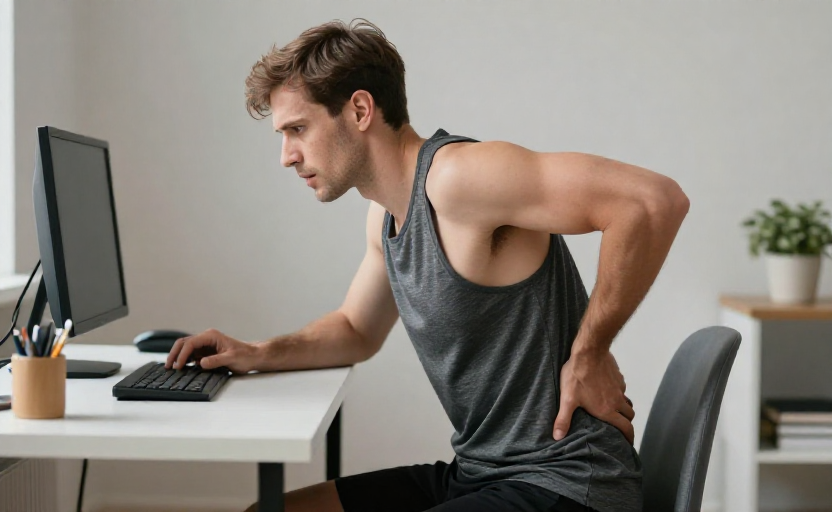
The habit is prolonged sitting—especially for hours after a run. You might lace up, hit the pavement, then settle into a desk chair, car seat, or couch for the rest of the day. While sitting itself isn't inherently bad, extended, uninterrupted sitting after exercise can reduce blood flow, stiffen muscles, and blunt the body’s natural recovery processes.
How Sitting Undermines Recovery
After a run, your muscles are in a state of micro-damage and inflammation—this is normal and necessary for getting stronger. But recovery depends on circulation delivering oxygen and nutrients to those tissues while carrying away metabolic waste. When you sit for long stretches, especially with hips flexed at 90 degrees, blood flow in the legs slows down significantly. This can prolong soreness and stiffness.
Sitting also shortens the hip flexors and tightens the lower back—areas already stressed during running. Over time, this can change your gait and increase injury risk. And from a nervous system perspective, sitting in a slumped position keeps the body in a low-level stress state, which interferes with the parasympathetic rest-and-digest mode essential for repair.
Beyond the Muscles: Sleep and Inflammation
Perhaps the most sneaky effect is on sleep. Poor circulation and accumulated tension from sitting can make it harder to wind down at night. Less restorative sleep means less growth hormone release and higher cortisol levels—both of which are bad news for recovery. Studies show that sedentary behavior is linked to higher systemic inflammation, which can prolong muscle soreness and delay adaptation to training.
Practical Fixes for Runners
You don’t have to stand all day—that can cause its own problems. Instead, try these evidence-informed strategies to protect your recovery without overhauling your routine.
- Move every 30 minutes. Set a timer to stand, walk to the kitchen, or do a few bodyweight squats. Even 2 minutes of movement restores blood flow and reduces stiffness.
- Use a dynamic sitting setup. If you sit at a desk, consider a stability ball chair or a cushion that encourages small postural adjustments. Alternate between sitting and standing if you have a height-adjustable desk.
- Prioritize hip opening. After sitting, do 1–2 minutes of gentle hip flexor stretches, glute bridges, or pigeon pose. This counteracts the hip tightness that accumulates during both sitting and running.
- Schedule a recovery walk. A 10–15 minute easy walk after a run—especially before you sit down for a long period—can significantly improve circulation and reduce next-day soreness.
- Be mindful of evenings. If you sit on the sofa for hours before bed, your hips and lower back will be tight when you lie down. Stand and stretch for a few minutes before brushing your teeth.
Small interruptions to sitting time can make a big difference in how your body handles the recovery demands of running. Consistency matters more than perfection.
The Bigger Picture
Running is a high-impact activity that demands a lot from your joints, muscles, and energy systems. But recovery isn’t just what happens in the hour after your run—it’s a 24-hour process. What you do in between runs matters just as much as the quality of the run itself. By addressing the daily habit of prolonged sitting, you remove a hidden barrier to progress and help your body adapt more efficiently.
When to Talk to a Professional
If you experience persistent pain, swelling, or excessive fatigue despite optimizing your recovery habits, consult a healthcare provider. This article is for general education and not a substitute for personalized medical advice.