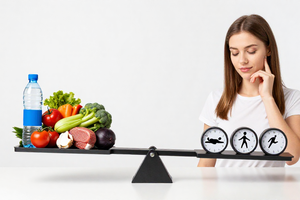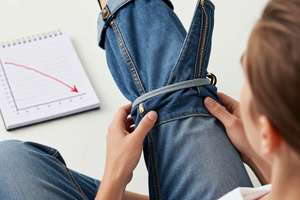

You’ve been consistent with your workouts, you’re tracking your food, and the scale refuses to budge. Many people respond by cutting calories even further, assuming the body just needs a bigger deficit. But that common fix often backfires—especially when the goal is shifting body composition rather than just weight.
A body composition stall can be frustrating. Fat loss slows, muscle gain plateaus, and you start wondering what went wrong. The counterintuitive truth is that eating too little may be the very thing keeping you stuck. Here’s why that happens and how to adjust your approach without panic.
Why Undereating Can StALL Progress
When calorie intake drops too low for too long, the body perceives a scarcity signal. Metabolism can downshift, hormone levels (including thyroid hormones and leptin) drop, and muscle protein synthesis becomes less efficient. The result is that the body holds onto fat stores while breaking down lean tissue for energy—exactly the opposite of what you want during a body composition phase.
This isn’t a matter of willpower. It’s a biological survival response that evolved to protect you during food shortages. When you chronically undereat, your body becomes metabolically thrifty. It burns fewer calories at rest and reduces non-exercise activity (you move less unconsciously). Together, these shifts can stall fat loss even if you’re eating very little.
Signs You Might Be Eating Too Little
Before reaching for another calorie cut, look for these warning signs:
- Persistent fatigue throughout the day, not just after workouts
- Poor sleep quality or waking up feeling unrested
- Irritability, mood swings, or low motivation
- Loss of strength in the gym instead of steady progress
- Constant hunger or obsessive thoughts about food
- Stalled weight or body measurements for several weeks despite low intake
If several of these sound familiar, it’s worth considering that your current intake is too aggressive for your body’s current needs.
What to Do Instead of Cutting More
Getting out of a stall usually requires a controlled increase, not a further decrease. The goal is to reset metabolic signaling and give your body enough energy to support fat loss again.
Start With a Reverse Diet Approach
Gradually increase your daily calories by a small amount—around 50 to 100 calories per day each week—while keeping protein intake steady and training intensity high. This is often called reverse dieting. It helps restore metabolic rate, improves recovery, and can make the next cutting phase much more effective.
Prioritize Protein and Fiber
When you do increase calories, focus on protein-rich foods and vegetables. Protein supports muscle retention and has a high thermic effect (your body burns calories digesting it). Fiber adds volume to meals, helping you feel full without excess calories.
Check Your Training Variables
Sometimes the stall isn’t about calories at all. Look at your training volume, intensity, and recovery. If you’ve been doing the same routine for months, your body may have adapted. Increasing load, changing rep ranges, or adding a dedicated recovery week can spark progress.
Consider a Diet Break
A structured diet break—eating at maintenance calories for one to two weeks—can restore leptin levels, reduce cortisol, and mentally recharge you. Many people find that after a break, they resume fat loss more easily at a moderate deficit than they did at a very low one.
Practical Steps to Assess Your Calorie Needs
Rather than guessing, use a structured method to figure out whether your current intake is appropriate:
- Track your actual average intake for at least one week (including weekends). Many people underestimate how little they eat during a stall.
- Calculate your maintenance calories using an online calculator based on your current weight, height, age, sex, and activity level.
- Subtract a modest deficit of 10–20% below maintenance, not the extreme cuts often promoted online.
- Monitor trends over two to three weeks, not day to day. Weight fluctuations are normal.
A healthy rate of fat loss is about 0.5 to 1 percent of body weight per week. Anything faster usually means muscle loss—and that makes stalls more likely later.
The Role of Sleep, Stress, and Activity
Non-diet factors can sabotage body composition even when calories are dialed in. Chronic stress raises cortisol, which encourages fat storage around the midsection. Poor sleep disrupts hunger hormones (ghrelin and leptin) and impairs recovery. Low daily step count (under 5,000 steps, for example) reduces your non-exercise calorie burn. Address these variables before assuming you need to eat less.
When to Seek Help
If you have a history of disordered eating or if cutting calories very low has become a repeated pattern, consider working with a registered dietitian or a coach who specializes in body composition. Undereating can also mask underlying health issues, such as thyroid dysfunction or hormonal imbalances, that require medical evaluation.
The takeaway is simple: eating too little is a common mistake during a body composition stall, but it rarely solves the problem. More often, it makes the stall worse by depressing metabolism, increasing muscle loss, and eroding motivation. A smarter approach involves strategic calorie increases, better food choices, and attention to recovery. With patience, the stall typically resolves—and you can continue making progress toward your goals.