

When to seek help: recognizing stress-related physical symptoms
Learn to identify the physical symptoms of chronic stress—from headaches to digestive issues—and understand the clear signs that indicate it's time to seek professional help.
We found 5240 results for "". Here are the most relevant articles:
Learn to identify the physical symptoms of chronic stress—from headaches to digestive issues—and understand the clear signs that indicate it's time to seek professional help.

Learn to recognize the subtle, often-missed signs of chronic stress, from mental fog and emotional apathy to physical tension and sleep issues.
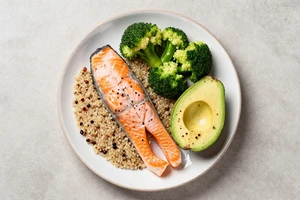
Discover how the nutrients on your dinner plate can directly support your body's natural stress response, promote calm, and build physiological resilience.

Discover which beverages can help calm your nervous system and build stress resilience, and which common drinks may inadvertently increase anxiety and tension.
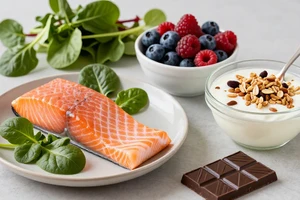
Discover five specific foods nutritionists recommend to help your body cope with daily stress, from fatty fish to leafy greens and dark chocolate.

Learn the 3 key warning signs—digestive, skin, and behavioral—that may indicate your toddler isn't tolerating a new food, and what steps to take next.

Dietitians explain which common foods may cause gas, bloating, or discomfort for toddlers with sensitive stomachs, and offer gentle alternatives.

A clear, age-by-age guide to introducing solid foods to your baby, covering safe food choices, appropriate textures, and portion sizes from 6 months through toddlerhood.
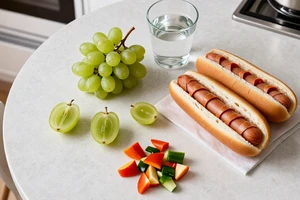
Learn expert strategies to prevent choking at meals. Discover how to prepare food safely, encourage safe eating habits, and identify risks for all ages.
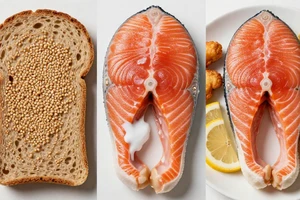
Discover three simple, dietitian-backed food swaps to help balance oily skin naturally, focusing on whole foods, healthy fats, and hydration.



Sun Hats for Women Gardening Hat Wide Brim Ponytail Beach Sun Protection Breathable Cotton Summer Hat with Fold-Up Brim
Check it out

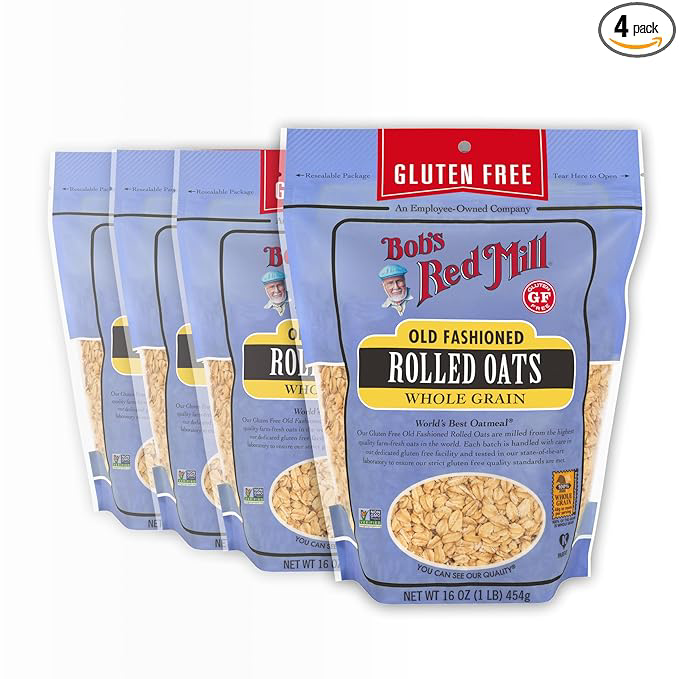
Bob's Red Mill Gluten Free Old Fashioned Rolled Oats, 16oz (Pack of 4) - Non-GMO, Gluten Free, Whole Grain
Check it out