We often think of stress as a mental or emotional state, but it’s a full-body experience. When stress becomes a constant companion, it can deplete essential nutrients, disrupt digestion, and leave us feeling both wired and exhausted. While no single food is a magic cure, the right dietary choices can help support your body’s natural resilience, providing the building blocks it needs to cope.
Nutritionists emphasize that a consistent pattern of eating certain nutrient-dense foods can gently modulate the body’s stress response. It’s about nourishment, not a quick fix. Here are five foods they frequently recommend for building a foundation of calm.
Fatty Fish: Omega-3s for Brain and Mood
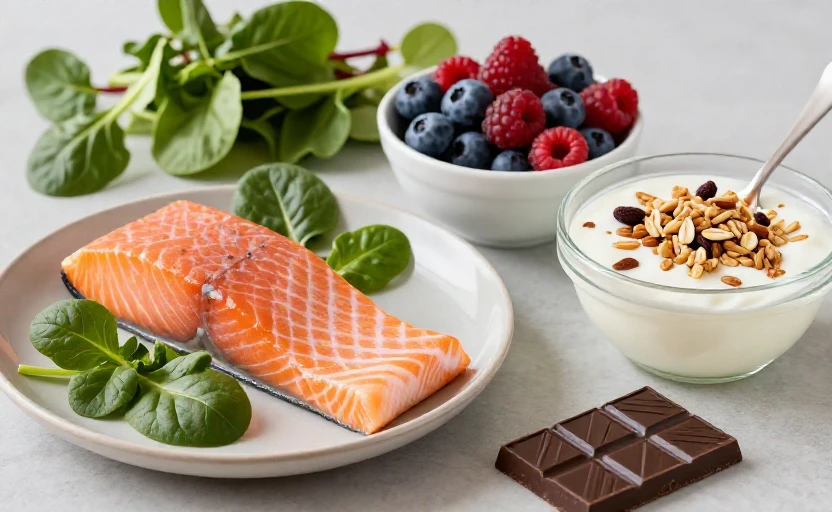
Salmon, mackerel, sardines, and anchovies are rich in omega-3 fatty acids, specifically EPA and DHA. These fats are fundamental components of brain cell membranes and have potent anti-inflammatory properties. Chronic stress can promote inflammation, which is linked to mood disturbances.
Research suggests that regular consumption of these fats may help moderate the body’s production of cortisol and adrenaline during stressful events. Think of them as providing a more stable biochemical environment for your brain to navigate challenges.
“Aim for two servings of fatty fish per week. This provides a steady supply of omega-3s to support cognitive function and emotional balance.”
Leafy Greens: Magnesium for Nervous System Calm
Spinach, Swiss chard, kale, and collard greens are excellent sources of magnesium, a mineral that acts as a natural relaxant for the nervous system. Magnesium helps regulate neurotransmitters that send signals throughout your brain and nervous system and is involved in the body’s stress-response pathway.
Stress can actually increase the excretion of magnesium, creating a deficit just when you need it most. Including a serving of cooked leafy greens most days helps replenish this critical mineral, promoting muscle relaxation and a sense of calm.
Berries: Antioxidants to Combat Stress Wear and Tear
Blueberries, strawberries, raspberries, and blackberries are packed with antioxidants, including vitamin C and various flavonoids. When you’re stressed, your body produces more free radicals—unstable molecules that can damage cells. This oxidative stress can contribute to feeling rundown.
The antioxidants in berries help neutralize these free radicals. Furthermore, some studies indicate that the flavonoids in berries may have a direct, positive effect on brain regions involved in mood regulation. They’re a sweet way to support your body’s defense systems.
Fermented Foods: Gut Health for a Calmer Mind
The connection between your gut and your brain, known as the gut-brain axis, is a major focus in understanding stress. Your gut microbiome produces many of the neurotransmitters that influence mood, including a significant amount of serotonin.
Foods like yogurt (with live cultures), kefir, kimchi, sauerkraut, and kombucha contain beneficial probiotics. These help maintain a healthy, diverse gut environment, which in turn can support a more balanced emotional state. A happy gut often contributes to a calmer mind.
Dark Chocolate: A Mindful Pleasure (in Moderation)
This recommendation comes with a crucial caveat: we’re talking about dark chocolate with a high cocoa content (70% or more). This type of chocolate contains flavonoids, theobromine, and a small amount of magnesium.
The flavonoids may improve blood flow to the brain and have mild anti-inflammatory effects. More importantly, enjoying a small square or two mindfully—savoring the rich flavor and texture—can be a simple act of self-care that interrupts a stressful moment. It’s a dual approach: modest biochemical support paired with a conscious pause.
Building a Stress-Supportive Plate
Integrating these foods works best as part of an overall pattern of eating. Nutritionists advise against skipping meals, as low blood sugar can mimic or exacerbate feelings of anxiety. Pairing complex carbohydrates (like oats or sweet potatoes) with protein and healthy fats provides sustained energy and helps keep stress hormones in check.
Staying well-hydrated is equally important, as even mild dehydration can increase cortisol levels. Remember, food is one tool in your toolkit—a powerful one for building foundational resilience, but most effective when combined with other stress-management practices like sleep, movement, and connection.