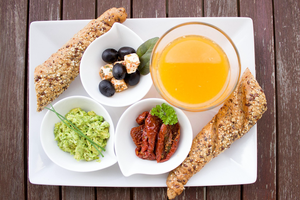
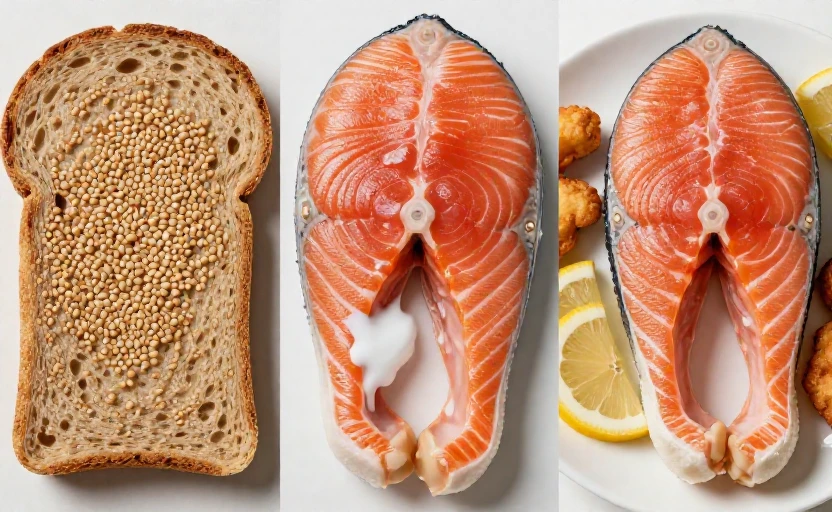
If you’re hoping to manage oily skin, your skincare routine is only part of the story. What you put on your plate can be just as influential as what you put on your face. While no single food is a magic bullet, a consistent dietary pattern that supports stable blood sugar, reduces inflammation, and provides key nutrients can help your skin find a more balanced state. The goal isn’t to strip your skin of oil entirely—that natural sebum is vital for protection—but to encourage a healthier, less shiny complexion from the inside out.
Making a few thoughtful swaps in your daily eating habits can be a simple, sustainable place to start. These aren’t about deprivation, but about choosing foods that work with your body’s natural rhythms.
Swap Refined Carbs for Whole, Fiber-Rich Foods
Foods like white bread, sugary pastries, and many processed snacks are quickly broken down into sugar in your bloodstream. This rapid spike in blood sugar and insulin can stimulate your oil glands to produce more sebum. It’s a process that may contribute to that persistent shine and clogged pores.
Instead of reaching for the refined options, pivot towards whole-food sources of carbohydrates that come packaged with fiber. Fiber slows down digestion, leading to a more gradual release of sugar and a milder insulin response.
- Try this: Choose brown rice or quinoa instead of white rice. Opt for whole-grain bread or oats over sugary cereals or white toast. Snack on an apple with a handful of almonds instead of a candy bar.
The fiber in whole grains, legumes, and vegetables helps moderate insulin spikes, which may in turn help moderate oil production.
Swap Inflammatory Fats for Anti-Inflammatory Ones
Not all fats are created equal. A diet high in fried foods, processed snacks, and certain vegetable oils (like corn or soybean oil) can promote systemic inflammation. Since oily skin is often linked to inflammatory conditions, fueling your body with anti-inflammatory fats can be a supportive move.
Focus on incorporating sources of omega-3 fatty acids and monounsaturated fats, which are known for their calming effects on the body.
- Try this: Add a serving of fatty fish like salmon or sardines to your weekly meals. Use olive oil for dressings and low-heat cooking. Sprinkle walnuts or chia seeds on your yogurt or salad. Swap out potato chips for a small handful of nuts or seeds.
Swap Sugary Drinks for Hydrating Alternatives
Liquid sugar from sodas, sweetened coffees, and many fruit juices delivers a concentrated dose of sugar without any filling fiber, making it a prime driver of blood sugar and insulin spikes. Furthermore, dehydration can sometimes signal your skin to produce more oil as a compensatory mechanism.
Making water your primary beverage is one of the most straightforward steps you can take. Herbal teas and infused water are excellent, flavorful alternatives that keep you hydrated without the sugar rush.
- Try this: Carry a reusable water bottle and sip throughout the day. If you crave flavor, add slices of cucumber, lemon, or fresh mint to your water. Choose unsweetened iced tea or sparkling water over soda.
Foods to Embrace for Skin Balance
Beyond specific swaps, filling your diet with a variety of nutrient-dense foods creates a foundation for healthier skin. Colorful vegetables and fruits are packed with antioxidants that help protect skin cells. Zinc, found in foods like pumpkin seeds, lentils, and chickpeas, plays a role in regulating oil production and healing. Probiotic-rich foods like yogurt, kefir, and kimchi support gut health, which is increasingly linked to skin health.
Remember, changes in diet work gradually alongside a good skincare routine. Be patient and consistent, and pay attention to how your skin responds over several weeks.