When stress feels like a constant hum in the background of life, what you reach for to drink can either turn the volume down or amplify it. While no single beverage is a magic cure, the liquids you choose throughout the day can significantly influence your body's physiological stress response, your mood, and your overall resilience. This isn't about restrictive rules, but about understanding how common drinks interact with your nervous system, so you can make choices that truly support you.
How Drinks Influence Your Stress Response
Stress triggers a cascade of hormones, primarily cortisol and adrenaline, preparing your body for a 'fight or flight' reaction. Certain beverages can mimic or exacerbate this state, keeping you in a heightened alert mode. Others contain compounds that promote the release of calming neurotransmitters, like GABA, or support the body's natural recovery processes. The goal is to choose drinks that help your nervous system return to a state of balance, rather than ones that keep it perpetually on edge.
What to Reach For: Drinks That Support Calm
These options work by providing hydration, key nutrients, or plant compounds that have a demonstrated soothing effect on the mind and body.
Water is the foundational stress-resilience drink. Even mild dehydration can increase cortisol levels and make you feel foggy, irritable, and more reactive. Keeping consistently hydrated helps your cells function optimally and supports the physical processes of stress recovery.
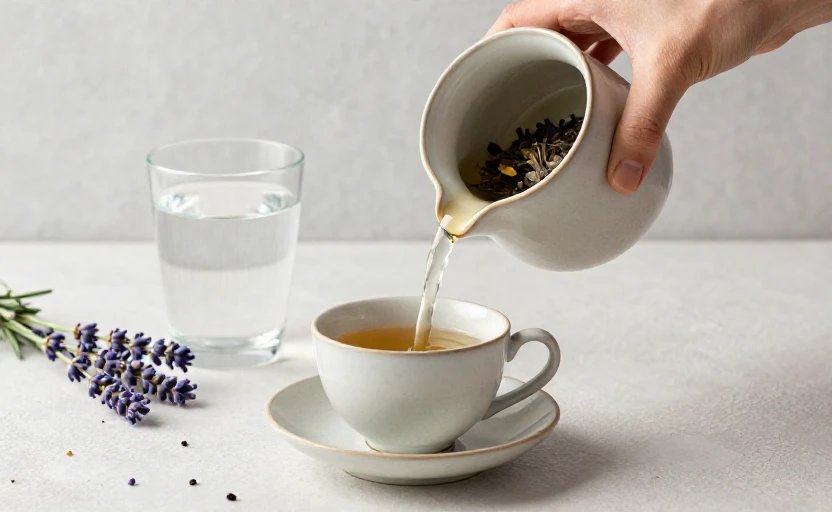
Herbal Teas offer a ritual of pause and contain specific herbs known for their calming properties. Chamomile tea is renowned for its gentle sedative effect, often linked to the antioxidant apigenin. Green tea contains L-theanine, an amino acid that promotes alpha brain wave activity—associated with relaxed alertness—without drowsiness. Passionflower and lemon balm teas are also traditionally used to ease anxiety and nervous tension.
Think of herbal tea as a signal to your nervous system: it's time to shift from doing to being.
Tart Cherry Juice has gained attention for its sleep-support benefits, largely due to its natural melatonin content. Since quality sleep is non-negotiable for stress resilience, a small glass of tart cherry juice in the evening can be a helpful part of a wind-down routine.
Warm Milk or Golden Milk isn't just an old wives' tale. Milk contains tryptophan, a precursor to serotonin. A warm, spiced drink like golden milk (turmeric blended with milk and other spices) combines this with the anti-inflammatory properties of curcumin, which may help counteract the physical wear and tear of chronic stress.
What to Be Mindful Of: Drinks That Can Undermine Resilience
Moderation and timing are key here. These drinks aren't inherently 'bad,' but consuming them in excess or at sensitive times can work against your stress-management goals.
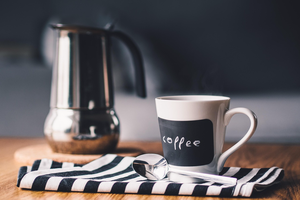
Caffeinated Coffee and Energy Drinks are the most obvious culprits. Caffeine stimulates the release of adrenaline and cortisol. While a morning cup can enhance focus, overconsumption or drinking it late in the day can lead to jitters, disrupted sleep, and a heightened overall sense of anxiety. It can also deplete nutrients like magnesium, which is crucial for nervous system regulation.
Sugary Sodas and Juices cause a rapid spike and subsequent crash in blood sugar. This rollercoaster can manifest as irritability, fatigue, and mental fog—symptoms that feel identical to stress and can make coping more difficult. The inflammatory response triggered by high sugar intake may also worsen the physical impact of stress.
Alcohol is often mistakenly used as a relaxant. While it may induce initial sedation, it significantly disrupts sleep architecture, preventing restorative deep sleep. It's also a diuretic, contributing to dehydration, and can interfere with the body's natural production of GABA, a calming neurotransmitter, leading to rebound anxiety.
Building a Stress-Resilient Drinking Routine
It's less about perfection and more about creating supportive patterns. Start your day with a large glass of water before any other beverage to rehydrate. If you enjoy coffee, consider having it after a meal to blunt its impact on blood sugar and cortisol, and set a firm afternoon cutoff time. Integrate a calming herbal tea in the mid-afternoon slump or as part of your evening ritual. Listen to your body's cues—if you're feeling wired, ask yourself what you've had to drink in the past few hours.
The most resilient approach is one of awareness. By understanding how your daily drinks affect your internal state, you empower yourself to make small, impactful choices that build a foundation of calm, one sip at a time.