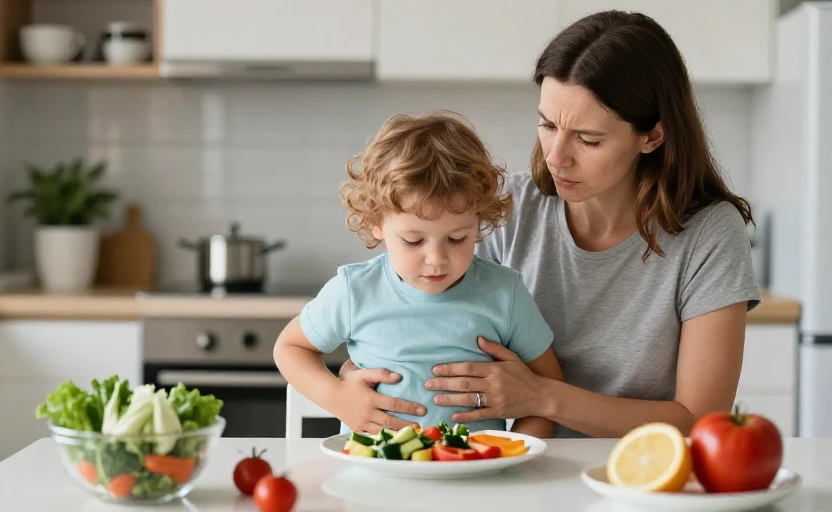
Navigating mealtime with a toddler can feel like a high-stakes puzzle, especially when your little one has a sensitive stomach. You watch for signs of discomfort—fussiness, gas, bloating, or changes in their diaper—and wonder if what's on their plate is to blame. It's a common concern, and while every child is unique, certain foods are more likely to cause trouble than others.
We spoke with pediatric dietitians to understand which common foods might be worth a closer look if your toddler seems particularly sensitive. Remember, this isn't about permanent elimination, but about thoughtful observation. Keeping a simple food-and-symptom diary can be your most powerful tool to connect the dots between your child's diet and their comfort.
Why are some foods harder on a toddler's tummy?
A toddler's digestive system is still maturing. Enzymes needed to break down certain compounds might be in short supply, and the gut lining can be more permeable, allowing larger particles through that can trigger irritation or an immune response. Some children also have mild intolerances to specific sugars or proteins that they may outgrow with time.
The goal isn't to create a restrictive diet, but to become a detective for your child's comfort.
Before making any significant changes, it's always wise to consult with your pediatrician or a registered dietitian. They can help rule out other issues and ensure your child continues to receive all the nutrients they need for healthy growth.
Foods that may warrant caution
Based on common triggers identified by child nutrition experts, here are six food categories where parents of sensitive toddlers might proceed with a bit more awareness.
1. Dairy products (especially cow's milk)
Lactose, the sugar found in milk, requires the enzyme lactase for proper digestion. Some toddlers produce less of this enzyme, leading to lactose intolerance symptoms like gas, bloating, and diarrhea. The protein in cow's milk (casein) can also be difficult for some young children to process. While many toddlers handle dairy just fine, it's a primary suspect for digestive upset.
What to try: If you suspect dairy, discuss it with your doctor. They might suggest a short trial eliminating cow's milk, watching for symptom improvement. For calcium and vitamin D, your pediatrician can recommend safe alternatives or supplements if needed.
2. Highly processed juices and sugary drinks
Apple juice, fruit punch, and other sweetened beverages are concentrated sources of fructose and sorbitol. In excess, these sugars can draw water into the intestines, leading to loose stools or diarrhea—a phenomenon sometimes called "toddler's diarrhea." These drinks also fill up small stomachs, leaving less room for nutrient-dense foods.
What to try: Water and milk (if tolerated) are the best primary drinks. If offering juice, the American Academy of Pediatrics advises no more than 4 ounces per day of 100% juice, and always with a meal.
3. Certain raw fruits and vegetables
Crunchy raw veggies like broccoli, cauliflower, and bell peppers, as well as fruits like apples and pears, are packed with insoluble fiber and natural sugars. For a developing gut, this can sometimes mean extra gas and bloating as the fiber ferments. The skin can be particularly tough to break down.
What to try: Cooking, steaming, or peeling these foods can make them much gentler on the stomach while retaining their nutritional value. Introducing high-fiber foods gradually allows your toddler's system to adapt.
4. Beans and legumes
Beans are famous for their gas-producing potential, thanks to complex sugars called oligosaccharides. Our bodies lack the enzyme to digest these fully, so gut bacteria break them down, producing gas as a byproduct. For a sensitive toddler, this can mean significant discomfort.
What to try: Soaking dried beans thoroughly before cooking and rinsing canned beans well can help reduce these compounds. Starting with easier-to-digest legumes like lentils or split peas, and serving them in small amounts, can also help.
5. High-fat fried foods
French fries, chicken nuggets, and other heavily fried foods are not only low in nutrients but are also high in fat, which slows digestion. For a sensitive system, this can lead to feelings of heaviness, bloating, and reflux. The oils used in commercial frying can also be hard on some children.
What to try: Opt for baked, roasted, or air-fried versions of favorite foods. Using healthy fats like avocado or olive oil in cooking at home is typically easier to manage than the fats used in deep frying.
6. Artificial sweeteners
Sugar alcohols like sorbitol, mannitol, and xylitol are often found in "sugar-free" snacks, gums, and some processed "toddler" foods. They are poorly absorbed in the small intestine and can have a strong laxative effect, causing gas, bloating, and diarrhea even in small amounts.
What to try: Read ingredient labels carefully. It's generally best to avoid artificially sweetened products for young children altogether. A small amount of natural sugar from fruit or a touch of maple syrup is often a gentler choice if sweetness is needed.
Creating a gentle eating environment
Beyond specific foods, how and when your toddler eats can impact their digestion. Encourage relaxed, sit-down meals without pressure. Rushing or eating on the go can lead to swallowing air, which contributes to gas. Consistent meal and snack times help regulate the digestive rhythm.
If you remove a food group like dairy, work with a professional to ensure your child's diet remains balanced. Many sensitivities are temporary, and foods can often be successfully reintroduced later as the gut matures.
Trust your instincts. You know your child best. By observing patterns, making gradual changes, and seeking professional guidance, you can help your toddler's mealtimes become more comfortable and joyful.