We often think of managing stress through deep breaths, a good workout, or a quiet moment of meditation. But one of the most powerful tools for supporting your body’s natural stress response is already in your kitchen, waiting on your dinner plate. The food you choose each evening does more than satisfy hunger; it provides the raw materials your nervous system needs to stay resilient, calm inflammation, and recover from daily pressures.
When stress hits, your body enters a state of heightened alert, releasing hormones like cortisol and adrenaline. This is a normal, ancient survival mechanism. Chronic stress, however, can keep this system stuck in “on” mode, depleting specific nutrients and straining your overall health. By thoughtfully composing your meals, you can gently nourish your body back toward balance, offering it the support it craves to weather life’s storms.
How Food Communicates with Your Stress System
Every bite sends signals. Refined sugars and heavily processed foods can trigger blood sugar spikes and crashes, which the body interprets as another stressor, potentially amplifying feelings of anxiety and fatigue. Conversely, a plate rich in whole, nutrient-dense foods sends a message of safety and abundance. It provides the building blocks for neurotransmitters like serotonin, which regulates mood, and supports the adrenal glands that manage cortisol output.
The goal isn’t a restrictive diet, but a supportive one. It’s about adding in foods that fortify your inner defenses, making your physiological baseline more sturdy.
Building a Stress-Supportive Plate
Imagine your dinner plate as a canvas for calm. While strict rules aren’t helpful, certain food groups offer standout benefits for your stress response.
Complex Carbohydrates for Steady Energy
Foods like sweet potatoes, quinoa, oats, and whole-grain bread help regulate blood sugar. Stable blood sugar prevents the irritability and tension that come from crashes, providing your brain with a steady fuel source. These carbs also aid in the production of serotonin.
Magnesium-Rich Foods for Nervous System Calm
Magnesium is often called nature’s relaxation mineral. It plays a crucial role in muscle relaxation and nervous system function. Chronic stress can deplete magnesium stores, creating a cycle of heightened tension.
Leafy greens like spinach and Swiss chard, almonds, pumpkin seeds, black beans, and avocados are excellent dietary sources of magnesium.
Quality Proteins for Neurotransmitter Support
Proteins provide amino acids, the precursors to neurotransmitters. Tryptophan, found in turkey, chicken, eggs, and tofu, is used to make serotonin. Including a palm-sized portion of protein at dinner can support mood regulation and satiety throughout the evening.
Omega-3 Fatty Acids to Cool Inflammation
Stress can promote inflammation. Omega-3s, found in fatty fish like salmon and sardines, as well as in walnuts and flaxseeds, have potent anti-inflammatory properties that may help counteract this effect and support brain health.
Colorful Antioxidants for Cellular Defense
Stress increases oxidative damage. Vibrantly colored vegetables and fruits—berries, bell peppers, broccoli, beets—are packed with antioxidants. These compounds help protect your cells, including those in your brain and adrenal glands, from the wear and tear of stress.
Foods and Habits to Approach with Care
Supporting your stress response is as much about gentle nourishment as it is about minimizing additional burdens. It’s not about perfection, but awareness.
Excessive caffeine, especially later in the day, can mimic stress symptoms like a racing heart and interfere with sleep, which is critical for stress recovery. Similarly, while alcohol might seem relaxing initially, it disrupts sleep cycles and can heighten anxiety the next day. Highly processed snacks and sugary desserts can lead to energy crashes that feel like added stress on your system.
The act of eating itself matters. Eating on the run or in front of a screen keeps your nervous system in a state of distraction. When possible, try to sit down, slow down, and savor your meal. This simple shift activates the parasympathetic nervous system—your body’s “rest and digest” mode—which is the direct counterbalance to the stress response.
Putting It into Practice
You don’t need a complete overhaul. Start with one meal. Tonight, consider your plate. Does it have a source of colorful vegetables? A serving of quality protein? A complex carbohydrate? A sprinkle of seeds or a drizzle of olive oil?
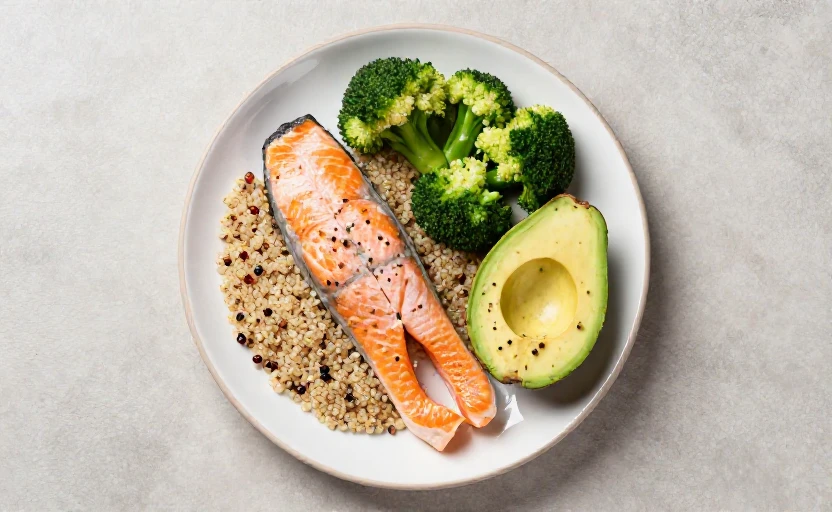
A simple, supportive dinner could be a bowl of lentil soup with a side of whole-grain bread, a salmon fillet with roasted sweet potatoes and broccoli, or a stir-fry with tofu, bell peppers, and spinach over brown rice. The combination is what counts.
Over time, these choices become a ritual of self-care. Your dinner plate transforms from just a source of calories into a direct line of support for your nervous system, helping you build resilience from the inside out.