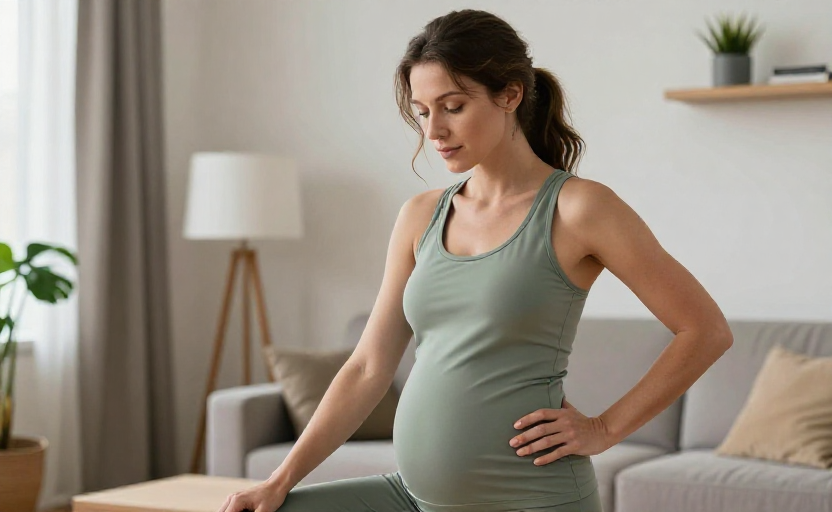
Returning to movement after having a baby is a journey layered with hope, healing, and a deep desire to reconnect with your body. It’s natural to want to regain strength and feel like yourself again. Yet, this path is uniquely delicate, governed not by a calendar but by your body’s own signals. Pushing too hard, too quickly, can inadvertently slow your recovery rather than support it.
The key lies in learning to distinguish between the good ache of rebuilding muscle and the warning signs that you’ve crossed a line. Your postpartum body is communicating constantly; the art is in listening closely and responding with kindness. Let’s explore the subtle and not-so-subtle cues that suggest your current workout frequency might need a gentler pace.
Your Energy Crashes Instead of Building
It’s a common expectation that exercise will boost your energy. In the postpartum period, however, the equation isn’t so straightforward. If you finish a workout and feel utterly depleted for hours or even the rest of the day—more than the typical fatigue of new motherhood—it’s a clear signal. Exercise should be a net positive, leaving you with a slight uplift or a sense of renewal, not forcing you to spend the afternoon on the couch.
Movement should replenish you, not drain your last reserves. If you’re more exhausted after your workout than before you started, it’s time to reassess.
This crash often means your body is using precious energy for recovery that it needs for basic healing, hormonal regulation, and caring for your baby. Chronic exhaustion from your routine indicates the intensity or frequency is too high for your current stage.
You Notice Increased Bleeding or Pain
Postpartum bleeding, or lochia, typically lightens and changes color over weeks. A sudden return to bright red bleeding, or a significant increase in flow after activity, is your body’s direct message to slow down. This isn’t just a nuisance; it can signal that you’re aggravating healing tissues.
Similarly, pay close attention to pain. While some muscle soreness is normal, sharp pains, persistent aches in your pelvis or back, or pain in your abdominal area (especially if you had a cesarean delivery or diastasis recti) are non-negotiable stop signs. Pain is information, not a challenge to overcome. Discomfort in your joints or a feeling of heaviness or pressure in the pelvic floor also falls into this category.
Your Stress Levels Feel Unmanageable
Exercise is a celebrated stress-reliever, but it is still a physical stressor on the body. In the postpartum period, your body is already managing the massive stress of recovery, sleep disruption, and hormonal shifts. Adding too much metabolic stress from frequent, intense workouts can tip the scales.
If you find yourself feeling more anxious, irritable, or unable to cope with minor stressors, your workout regimen might be contributing to a heightened overall stress load. Cortisol, the primary stress hormone, needs to be in balance. For some new parents, a gentle walk or restorative stretching session is what the body truly needs to downregulate the nervous system, not another high-output session.
Your Progress Has Stalled or Reversed
This sign can be counterintuitive. You might think that doing more will get you “back” faster. Yet, overtraining can lead to a plateau or even regression. You may notice you’re suddenly weaker, less coordinated, or more out of breath during the same workout you handled fine last week.
This happens because your body hasn’t had adequate time to repair and strengthen between sessions. Without proper recovery, muscle tissue breaks down instead of builds up. If you’re not seeing any positive adaptations—like a little more ease, a bit more strength, or better mood—over a few weeks, it’s likely your frequency is preventing the very progress you seek.
Movement Feels Like a Rigid Obligation, Not a Choice
Finally, tune into the mental and emotional relationship you have with your workouts. Postpartum movement should be about reclamation and joy, not punishment or pressure. If you feel intense guilt for missing a session, follow a rigid schedule despite feeling unwell, or view exercise solely as a tool for “fixing” your body, the mindset may be working against your holistic recovery.
Flexibility is crucial. Some days, a 10-minute stretch while the baby naps is the perfect workout. Other days, you might have the energy for more. Listening to your body’s daily needs, rather than sticking to a pre-prescribed, high-frequency plan, is the hallmark of sustainable postpartum fitness.
Remember, the goal of postpartum exercise isn’t to “bounce back.” It’s to build forward—to create a stronger, more resilient foundation for the years of motherhood ahead. Slowing down when you get these signals isn’t a failure; it’s a sophisticated form of self-care that honors the profound work your body has done and continues to do. When in doubt, err on the side of gentleness. Your future self will thank you for the patience.