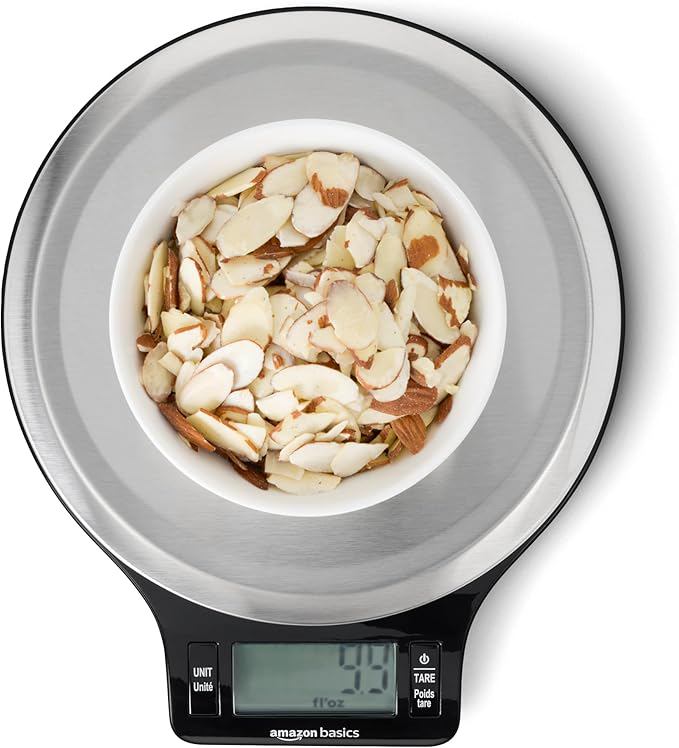

You’ve been consistent. You’re eating well, moving your body, and prioritizing sleep. Yet, when you step on the scale, the number stares back, unmoved. It’s a moment of profound frustration that can make all your effort feel wasted. Before you decide to scrap your entire plan, it’s worth considering a powerful, often overlooked tool: your mindset.
Weight loss is rarely a straight line. The scale is a single, imperfect metric that doesn’t capture the full story of your health. When it plateaus, it’s not a sign of failure, but an invitation to shift your perspective. By changing how you think about progress, you can find motivation, reduce stress, and build sustainable habits that last far longer than any temporary dip in pounds.
Why the Scale Is an Incomplete Story
Focusing solely on your weight is like judging a book by its cover—you miss the entire narrative inside. Your body composition is changing even when the scale isn’t. Muscle is denser than fat; as you get stronger, you might be losing inches and gaining lean muscle mass, which can keep your weight stable while your body shape transforms.
Other factors also influence that number: hydration levels, sodium intake, hormonal fluctuations, and even digestive regularity. A “stubborn” scale often reflects these normal, daily variations, not a lack of progress.
The number on the scale measures gravity’s pull on your body, not your health, your dedication, or your worth.
Shifting Your Focus from Weight to Wellness
When the scale stalls, redirect your attention to the non-scale victories that truly enrich your life. These are the changes that build a foundation for lasting health, independent of any number.
Celebrate How You Feel
Do you have more energy throughout the day? Do you wake up feeling more rested? Has your mood improved? Perhaps that afternoon slump is less pronounced, or you find yourself choosing the stairs without a second thought. These shifts in daily vitality are profound indicators of improved health.
Track Functional Improvements
Measure progress in what your body can *do*. Can you hold a plank for 15 seconds longer than last month? Carry groceries with greater ease? Keep up on a hike without getting winded? These functional gains are direct results of your hard work and are often more motivating than any scale reading.
Notice Changes in Your Relationship with Food and Movement
Are you eating more mindfully, savoring your meals instead of rushing through them? Have you found a form of movement you genuinely enjoy, rather than dread? This shift from a punitive “have to” mentality to a nurturing “get to” approach is one of the most significant victories of all.
Practical Mindset Strategies for a Plateau
Changing your thinking requires practice. Here are concrete ways to cultivate a more supportive mindset when progress feels slow.
Ditch the All-or-Nothing Thinking. One “off” meal or missed workout doesn’t erase weeks of consistency. View your journey as a long road; a single pothole doesn’t mean you turn the car around and go home. Practice self-compassion and simply get back on track with your next choice.
Embrace the Process, Not Just the Outcome. Find satisfaction in the daily actions themselves—the crisp taste of a fresh salad, the feeling of strength after a workout, the calm of a good night’s sleep. When you value the process, you’re less reliant on a distant outcome for validation.
Use a Broader Definition of “Data.” If you track metrics, expand them. Alongside weight, consider noting measurements, how your clothes fit, energy levels on a 1-10 scale, sleep quality, or workout performance. This creates a mosaic of progress where one piece (weight) isn’t the whole picture.
Practice Body Neutrality. If positive body affirmations feel forced, try body neutrality. This means moving your focus from appearance to function. Instead of “I love my legs,” try “My legs are strong and carry me through my day.” It’s a gentle, often more accessible step toward reducing negative self-talk.
When to Consider a Gentle Course Correction
A mindset shift doesn’t mean ignoring practical steps. After affirming your non-scale victories, you can assess your routine with curiosity, not criticism. Ask yourself:
- Has my routine become too predictable? Our bodies adapt. Could adding a new type of movement or varying intensity help?
- Am I truly nourishing my body? Sometimes, in an effort to cut calories, we under-eat, which can slow metabolism. Focus on nutrient density—are you getting enough protein, fiber, and healthy fats?
- Is stress or sleep undermining my efforts? High cortisol and poor sleep can significantly impact weight management. Prioritizing recovery is not lazy; it’s essential.
Remember, any adjustment should feel like a nurturing tweak, not a punishing overhaul. The goal is sustainability.
Building Resilience for the Long Journey
The ultimate mindset shift is understanding that health is a lifelong practice, not a short-term project with a finish line. Plateaus are not roadblocks; they are part of the terrain. They teach patience, consistency, and how to find motivation from within.
Your worth was never in that number. It’s in your persistence, your growing self-awareness, and the daily choices you make to care for yourself. When the scale won’t budge, let that be your cue to look up, look around, and appreciate how far you’ve truly come.