
3 warning signs your afternoon nap is actually harming your nighttime sleep
Is your afternoon nap ruining your night? Learn the three warning signs — from long sleep latency to evening crashes — and how to nap without harming your sleep.
Discover articles, guides, and practical insights for a healthier lifestyle.
Is your afternoon nap ruining your night? Learn the three warning signs — from long sleep latency to evening crashes — and how to nap without harming your sleep.

Sleep specialists often recommend taking sleep supplements earlier—not right at bedtime. Here are 5 expert-backed reasons to pause before you pop that melatonin or herbal gummy.

What actually happens to your brain waves when you take melatonin, magnesium, L-theanine, or valerian. A practical guide to EEG changes, realistic expectations, and smart choices for better sleep.
Sleep experts warn that daily melatonin supplements can disrupt natural rhythms, cause grogginess, and mask deeper sleep issues. Learn what to know before you dose.
Sleep supplements often stop working not because of tolerance, but due to a common bedtime ritual mistake. Learn how pre-sleep blue light and inconsistent routines undermine effectiveness.

Therapists explain how caffeine triggers sleep anxiety, the timing trap of afternoon coffee, and practical steps to break the caffeine-insomnia cycle for better rest.
Learn the three most common mistakes people make when trying to manage sleep anxiety at home, plus practical, research-backed alternatives for better rest.
Four clear signs you may be too dependent on melatonin, magnesium, or other sleep aids — plus simple, research-backed alternatives to try instead.

Discover why alcohol is the one drink that cancels out your sleep supplement. Learn how a nightcap disrupts melatonin, magnesium, and herbal sleep aids.


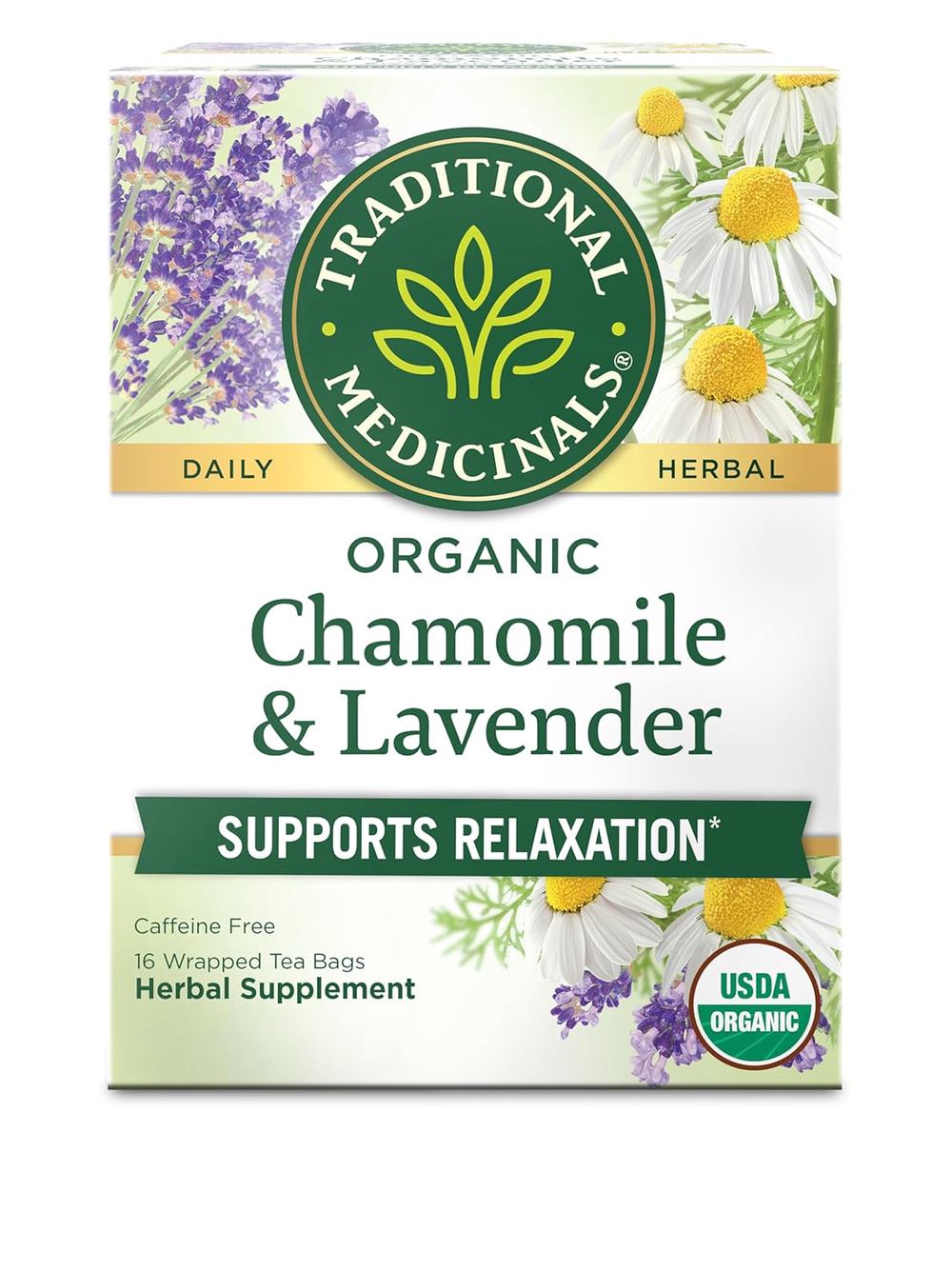
Traditional Medicinals Organic, Chamomile & Lavender - Chamomile Tea Supporting Stress Relief and Relaxation - Kosher, Non-GMO, Caffeine-Free, Compostable - 16 Tea Bags
Check it out
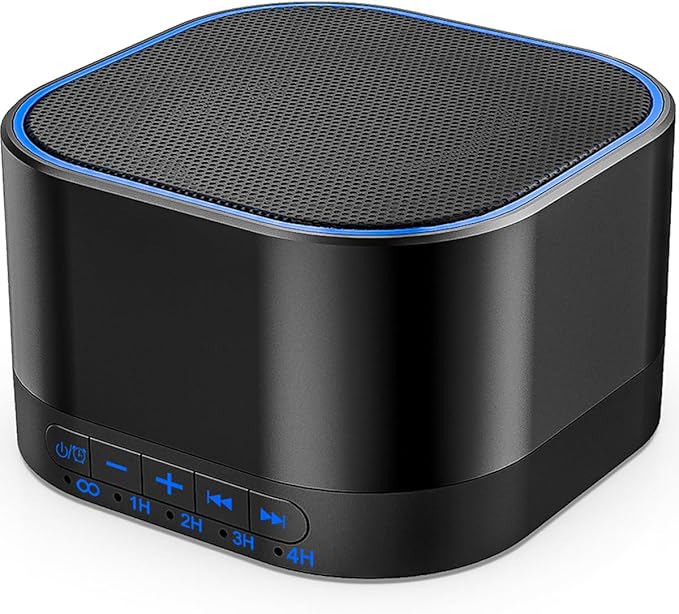
Magicteam Sound White Noise Machine with 20 Non Looping Natural Soothing Sounds and Memory Function 32 Levels of Volume Powered by AC or USB and Sleep Sound Timer Therapy for Baby Kids Adults
Check it out