Get Advice
Home mind mental-health 3 mistakes people make when trying to manage sleep anxiety at home
mental-health 2 min read

3 mistakes people make when trying to manage sleep anxiety at home

Written By Isla Morgan
Jul 02, 2026
Reviewed by   Noah Miller, PhD
Integrative health blogger and herbal remedy enthusiast. I share evidence-informed content on adaptogens, sleep hygiene, and stress management.
3 mistakes people make when trying to manage sleep anxiety at home
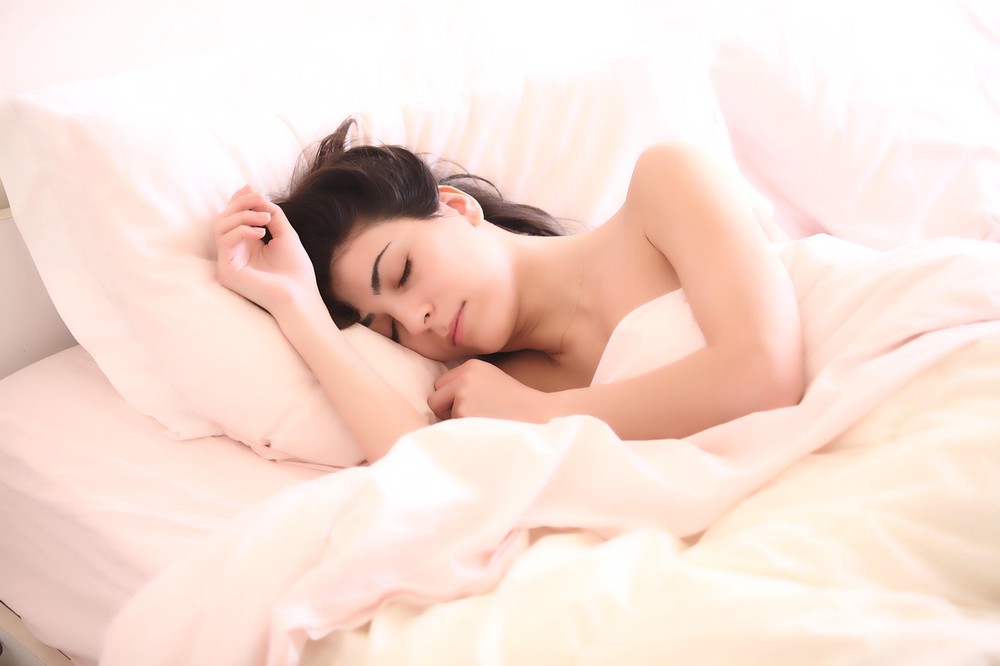
3 mistakes people make when trying to manage sleep anxiety at home Source: Pixabay

Sleep anxiety can turn your bedroom into a source of stress, making restful nights feel out of reach. Many people try to solve the problem on their own, but certain well-intentioned habits can actually make things worse. Here are three common mistakes people make when trying to manage sleep anxiety at home — and what to do instead.

Mistake 1: Trying too hard to force sleep

When you're anxious about not sleeping, it's natural to try harder. You might lie in bed telling yourself to relax, checking the clock, or repeating affirmations. But this pressure often backfires. The effort itself activates your nervous system, keeping you alert rather than drowsy. Sleep is a state that happens when you stop pursuing it. If you've been lying awake for 20 minutes or more, get up, go to another room, and do something calming in low light — read a book, listen to soft music, or sip herbal tea. Return to bed only when you feel sleepy again.

Mistake 2: Using alcohol or sleep aids as a crutch

A glass of wine or an over-the-counter sleep aid might seem like a quick fix, but both can interfere with sleep quality. Alcohol may help you fall asleep faster, but it disrupts REM sleep and often leads to waking up in the middle of the night. Many sleep aids, especially those containing antihistamines, can leave you feeling groggy the next day. Over time, relying on substances can make it harder to fall asleep without them. Instead, try winding down with a consistent routine that signals your body it's time to rest — dim lights, a warm bath, or a few minutes of gentle stretching.

Mistake 3: Bringing daytime stress into the bedroom

It's easy to carry worries about work, relationships, or health right into bed with you. But when you mentally replay the day's problems while lying under the covers, your brain stays in problem-solving mode rather than rest mode. To break this loop, establish a "worry time" earlier in the evening. Write down your concerns and any action steps you can take tomorrow. Then, set them aside. If anxious thoughts creep back in at bedtime, try a simple grounding technique: focus on your breath, or name five things you can see or hear around you. This shifts attention away from worry and toward the present moment.


Managing sleep anxiety takes patience and practice. By avoiding these common pitfalls and building new habits, you can create the conditions for more peaceful, restorative sleep. If sleep anxiety persists, consider speaking with a healthcare provider or a therapist who specializes in sleep disorders.

Related FAQs
For some people, sleep anxiety may ease once the underlying stressor is resolved, but it often persists if left unaddressed. Building consistent sleep habits and learning relaxation techniques can help manage it long-term.
Yes, using your phone in bed can worsen sleep anxiety. The blue light from screens suppresses melatonin, while scrolling through social media or news can increase stress. It's best to keep devices out of the bedroom or at least stop using them an hour before bed.
Melatonin can help with falling asleep, but it is not a treatment for anxiety itself. If your sleeplessness is driven by anxious thoughts, melatonin may not address the root cause. It's safest to consult a doctor before starting any supplement.
There is no set timeline; improvement depends on the individual and the strategies used. Some people notice a difference within a week of consistent sleep hygiene changes, while others may need several weeks or professional support.
Key Takeaways
  • Trying to force sleep often increases anxiety; getting out of bed briefly can help reset the cycle.
  • Alcohol and sleep aids may disrupt sleep quality; a consistent wind-down routine is a safer long-term strategy.
  • Bringing daytime worries to bed keeps the brain alert; a pre-bed "worry time" or grounding exercises can shift focus to rest.
  • Persistent sleep anxiety may require professional guidance from a therapist or sleep specialist.
Medical Note
This article is for informational purposse only and should not be taken asanb caring teotio ongpontyBeotot bacnts Spotiroeprofestional medical loloice. Awwver consux with a healthcart-professenar-tal for medical advice and ineatment.
Comments
  • No comments yet. Be the first to share your thoughts.
Leave a Comment
Login with Google to comment.
Looking for more personalized guidance?
Explore expert-informed wellness content tailored to your health interests and goals.
Get Advice
Recommended for
Your Health
Slay healthy with us
No recommended article
  • No recommended article
    No data
    -
    该列表没有任何内容
About the Author
Isla Morgan
Everyday Fitness Writer