
You swallow a melatonin gummy or sip a magnesium powder before bed, hoping for a faster trip to dreamland. But what is actually happening inside your skull? Beyond the marketing promises of "deeper sleep" and "calm mind," these compounds interact with specific electrical rhythms in your brain. Understanding that relationship can help you set realistic expectations and choose a strategy that matches what your nights actually need.
Your brain doesn't just shut off when you sleep. It cycles through distinct wave patterns — alpha, theta, delta, and others — each tied to a different stage of rest. Certain supplements can nudge these rhythms, but rarely in the dramatic way advertisements suggest. Here is what the research and clinical practice reveal about the real effects.
How your brain waves behave during normal sleep
Before you can understand what a supplement changes, it helps to know the landscape. When you are awake and alert, your brain produces mostly fast, low-amplitude beta waves. As you wind down, alpha waves appear — that relaxed, eyes-closed-but-awake state. Stage 1 sleep introduces theta waves, a light drifting. Stage 2 brings sleep spindles and K-complexes, which are bursts of activity that protect sleep from disruption. Deep sleep — stages 3 and N3 — is dominated by slow, high-amplitude delta waves. Finally, REM sleep looks almost like a waking brain, with mixed frequencies and rapid eye movement.
Each stage serves a distinct job: memory consolidation, cellular repair, hormonal regulation. A supplement that boosts one wave pattern might not help you if your real problem is fragmented REM or frequent nighttime awakenings.
Melatonin: the circadian signal, not a sedative
Melatonin is often treated like a sleeping pill, but that is a category error. Melatonin is a hormone your pineal gland releases in response to darkness. It tells your brain "it's night" rather than forcing unconsciousness. Electroencephalography (EEG) studies show that melatonin supplementation modestly increases theta and alpha activity in the hour before bed, which corresponds to that drowsy, relaxed feeling. However, it does not significantly increase delta (deep sleep) power in most people. If you already have low endogenous melatonin — common in shift workers or people with delayed sleep phase — a small dose can help shift your timing. But for someone who produces melatonin normally, taking more will not deepen sleep waves; it may even blunt the natural nightly surge if taken in high doses.
A practical takeaway: melatonin is best for timing, not for changing the architecture of sleep itself. Use it to reset your clock, not to force heavy sleep.
Magnesium: the calming current
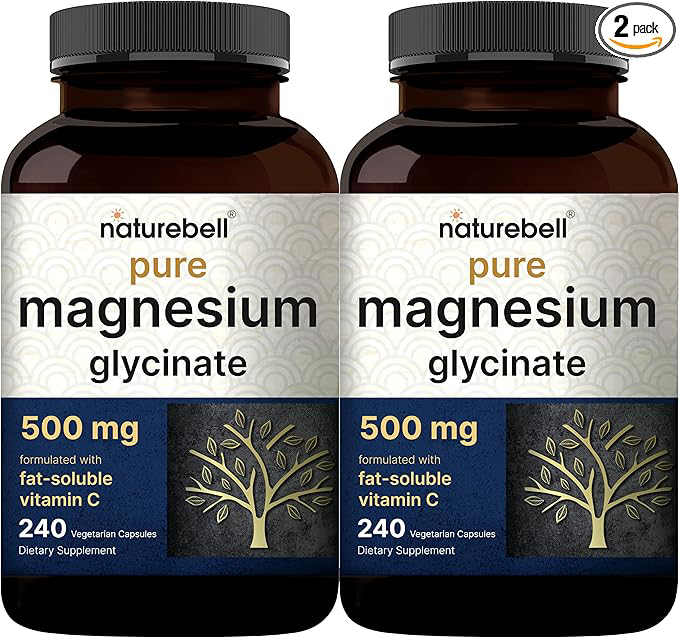
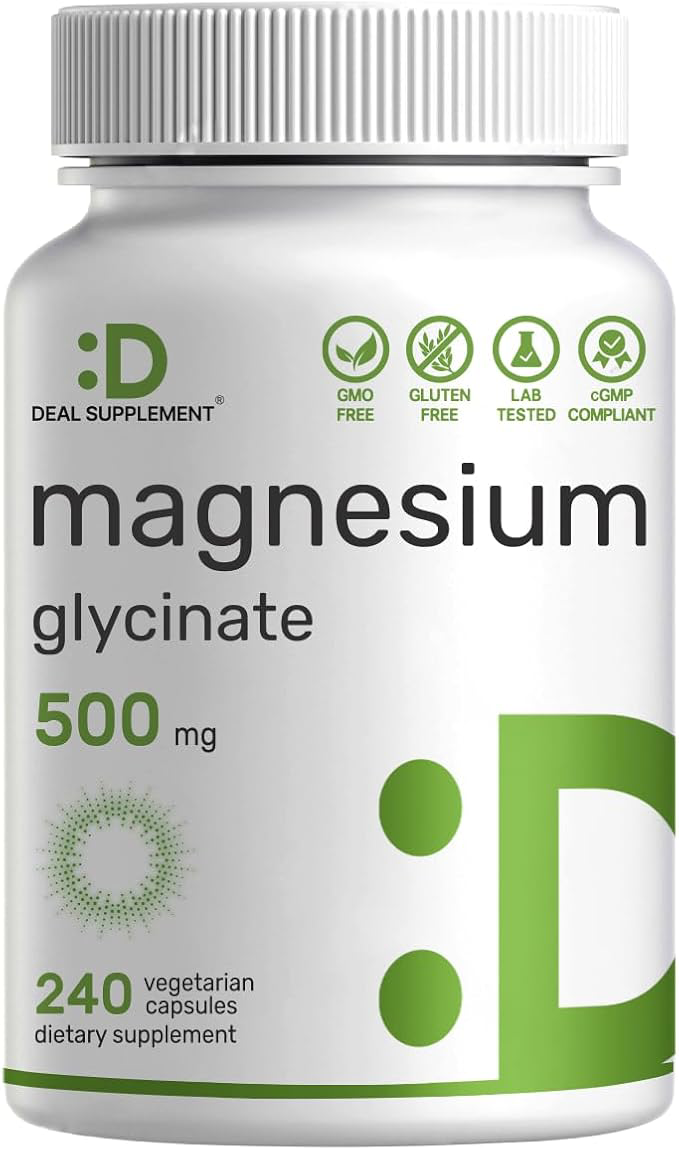
Magnesium supports hundreds of enzymatic reactions, including those involving GABA — the brain's primary inhibitory neurotransmitter. When GABA binds to its receptors, neural firing slows down, and your EEG shifts toward slower frequencies. Specifically, magnesium supplementation has been linked to increased delta wave activity and reduced nighttime cortisol spikes. One small study in older adults with insomnia found that magnesium improved sleep efficiency and increased serum melatonin, but EEG measures also showed extended slow-wave sleep time.
For practical purposes, magnesium glycinate or threonate are better absorbed and less likely to cause digestive upset than oxide. The effect is subtle — it may help you fall asleep faster and spend more time in deep sleep if you are deficient. But if your magnesium levels are adequate, the brain-wave benefit will be negligible.
L-theanine: alpha-wave relaxation without drowsiness
L-theanine, an amino acid found in green tea, has a clean EEG signature. Multiple studies demonstrate that 100–200 mg increases alpha wave activity within 30–40 minutes, without increasing theta or delta waves. That means you get a state of wakeful relaxation — similar to meditation — rather than sedation. This is why L-theanine is popular for anxiety and focus, not just sleep. It can reduce the time it takes to fall asleep, but primarily by quieting racing thoughts rather than forcing unconsciousness.
A useful practical distinction: if your problem is that you lie in bed with a busy mind, L-theanine may help you transition into alpha-dominant relaxation. If your issue is staying asleep through the night, L-theanine alone is unlikely to fix it.
Valerian root and GABA: direct receptor effects and caveats
Valerian root extract has been used for centuries, and its mechanism involves binding to GABA-A receptors — effectively mimicking the action of some prescription sedatives. EEG research shows that valerian increases theta and delta activity and reduces sleep latency. However, the quality and potency of commercial valerian products vary enormously. Some studies show measurable EEG changes; others show no difference from placebo. The effect can also depend on the individual's baseline GABA activity.
GABA itself is sold as a supplement, but whether it crosses the blood-brain barrier in meaningful amounts remains controversial. Most orally ingested GABA does not reach the brain in sufficient concentrations to alter EEG rhythms. Products that claim to "boost GABA" usually work indirectly through ingredients like L-theanine or taurine.
A practical note: valerian has a distinctive smell that some people find unpleasant and can cause vivid dreams or grogginess the next morning. Start low.
What the EEG data does not tell you
Brain-wave findings from supplement studies come with limitations. Many studies are small — 10 to 30 participants — and use different dosages, forms, and measurement protocols. The placebo effect in sleep is powerful; people often report feeling better even when EEG shows no objective change. Also, a supplement that alters delta waves for one person may do nothing for another because genetics, diet, stress, and existing deficiencies all modulate the response.
No over-the-counter supplement has been shown to reliably transform sleep architecture the way prescription medications or continuous positive airway pressure (CPAP) can. The most robust evidence still points to behavioral habits — consistent bedtimes, reduced light exposure at night, cool room temperature — as the foundation of healthy brain-wave cycling.
Practical ways to match a supplement to your sleep pattern
- If you have trouble falling asleep due to a racing mind: L-theanine or low-dose valerian may help shift alpha and theta activity. Magnesium can also support GABA pathways.
- If your sleep is shallow or easily disrupted: A magnesium glycinate supplement before bed may increase slow-wave delta activity and stabilize sleep depth.
- If your circadian timing is off (jet lag, shift work, late-night screen habits): A low dose of melatonin (0.5–3 mg) taken 1–2 hours before desired bedtime can realign timing without directly altering brain-wave architecture.
- If you wake up frequently and cannot fall back asleep: No single supplement has strong evidence for this pattern. A combination of good sleep hygiene plus evaluation for sleep apnea or periodic limb movement disorder is more likely to help than another bottle.
Supplements can be useful tools, but they are not shortcuts. They work best when you pair them with an accurate understanding of what your brain waves are actually doing — and what they need.
Bottom line: Sleep supplements influence brain waves in real, measurable ways, but the effects are modest and specific. Melatonin signals timing; magnesium deepens slow-wave sleep if you are deficient; L-theanine promotes alpha relaxation; valerian may increase theta/delta. No supplement replaces consistent sleep habits. Know which wave your problem actually involves before you buy.