
It sounds counterintuitive: you are reaching for a sleep supplement precisely because you want to fall asleep faster or sleep more deeply. Yet a growing number of sleep specialists suggest that, for some people, taking that capsule or gummy right at bedtime might be working against you. The timing of your supplement—not just the ingredients—can make a real difference in how your body responds.
Before you change your routine, it helps to understand the 'why' behind the recommendation. Here are five evidence-informed reasons to consider taking your sleep supplement earlier in the evening rather than right before you close your eyes.
1. Your body's own melatonin needs room to work
Melatonin is a hormone your brain produces naturally when light levels drop. Most sleep supplements contain a synthetic version of this hormone, and when you take it too close to bedtime, you can override your own production cycle.
Research suggests that taking melatonin too late can shift your body's internal clock (circadian rhythm) in unintended ways, sometimes making it harder to fall asleep the following night. By taking it one to three hours before your target bedtime, you allow the exogenous melatonin to align with, rather than compete against, your body's natural secretion pattern.
A practical rule of thumb: For standard melatonin supplements, dosing 1–2 hours before bed is common; for slow-release formulas, the window may be even earlier.
2. Digestive load can interfere with sleep quality
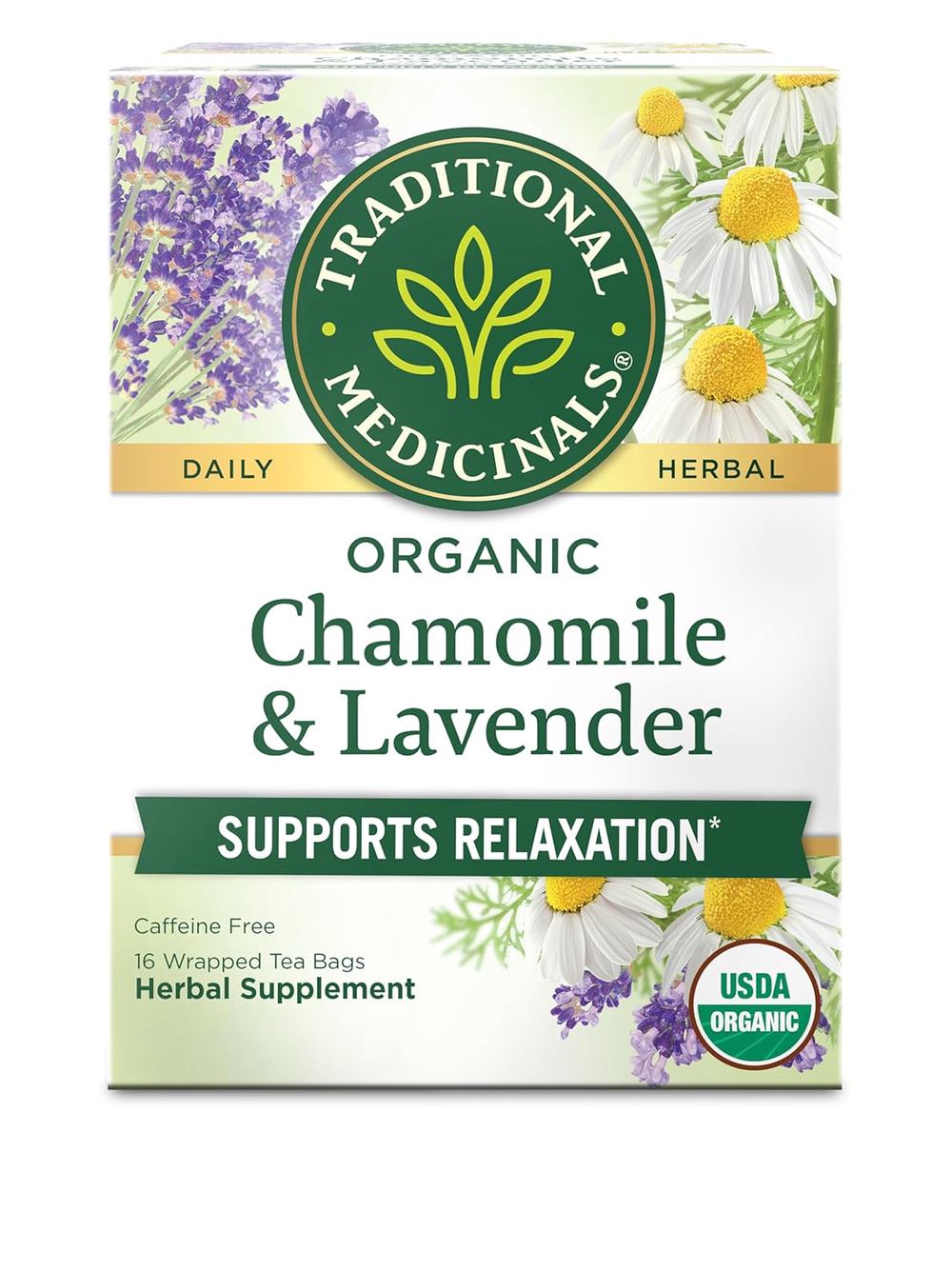
Many sleep supplements contain herbal extracts (valerian root, chamomile, lemon balm) or binding agents that need to be digested and absorbed. Taking them on an empty stomach immediately before lying down can cause mild reflux, bloating, or discomfort.
Lying flat while digesting slows gastric emptying for some people. This is not a major concern for everyone, but if you have ever woken up feeling slightly queasy or burping up a minty aftertaste, your supplement timing might be the reason. A 60- to 90-minute gap between ingestion and bedtime gives your digestive system a head start.
3. Certain ingredients can cause a 'paradoxical effect' in some people
Valerian root, magnesium glycinate, and even low-dose melatonin can produce an unexpected stimulant-like reaction in a small percentage of users. Instead of drowsiness, people report feeling wired, restless, or mentally alert.
This is sometimes called a paradoxical reaction, and it is more likely when the supplement hits your bloodstream while you are still mentally active. By taking these supplements earlier—say, with a light evening snack or after dinner—you can test your individual response without risking a frustrating bedtime experience.
4. Better timing can support long-term sleep hygiene
Sleep hygiene guidelines consistently recommend keeping a regular wind-down routine. A supplement that you take earlier can become a powerful cue for sleep rather than an afterthought.
When you pair a supplement with the start of your evening routine—dimming lights, putting away screens, sipping a warm beverage—you train your brain to associate that action with the onset of rest. Taking it at the very last minute bypasses that conditioning and turns a sleep aid into just another pill.
5. You may not need it at all—and timing reveals that
If you take a supplement right before bed every night, you have no way of knowing whether you truly need it or whether placebo effect, habit, or expectation is doing the work. By moving the dose earlier, you create a natural window where you can observe how you feel.
You might notice that by the time you get into bed, you are already drowsy without the supplement having been in your stomach at zero hour. That is useful information. It might mean you can rely on your evening routine alone some nights, reducing your total supplement intake over time.
How to adjust your timing safely
If you decide to experiment, make changes gradually. Try taking your supplement one hour earlier for a few nights, then two hours earlier. Keep a simple log of how long it takes to fall asleep and how rested you feel in the morning. Do not combine multiple supplements or alcohol without checking with a healthcare professional.
Everyone reacts differently. The key is to give your body time to adjust and to be honest about whether the supplement is genuinely helping or just filling a gap that a consistent wind-down routine could address.