
Sleep supplements line drugstore shelves like candy — gummies, capsules, teas, and tinctures all promising deep, uninterrupted rest. It’s easy to reach for a melatonin gummy or a magnesium powder when your head hits the pillow and your brain refuses to quiet down. But when that nightly habit turns into a crutch, you might be ignoring some important signals from your body.
Here are four clear warning signs that you’ve moved from occasional support to over-reliance — along with research-backed alternatives to help you reset your relationship with sleep.
1. You can’t fall asleep without your supplement
If you feel anxious, restless, or even panicky on nights when you skip your dose, that’s a red flag. No supplement should act as a psychological or physiological requirement for sleep. True sleep hygiene doesn’t depend on a pill or powder — it relies on consistent cues that tell your brain it’s time to wind down.
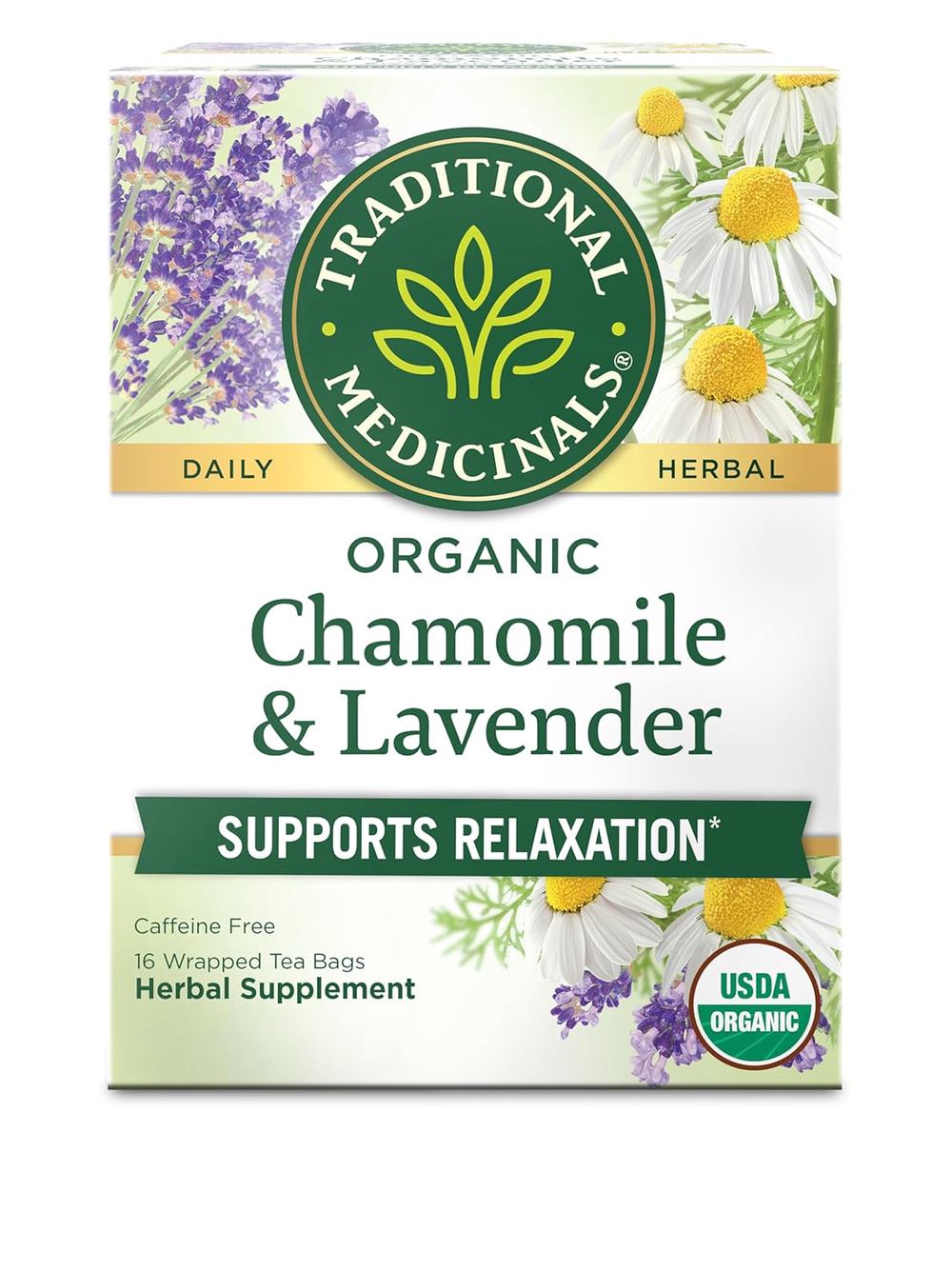
What to try instead: Build a non-negotiable wind-down routine that doesn’t involve swallowing anything. Fifteen minutes of low-light stretching, a warm (caffeine-free) herbal tea like chamomile or passionflower, and a short gratitude journal entry can create a powerful sleep signal. The key is consistency — do the same sequence at the same time every night for at least two weeks.
2. Your tolerance has gone up
Notice you’re taking a higher dose than when you started, or that the old amount just doesn’t seem to work anymore? That’s a common pattern with many sleep aids. For example, some people who take melatonin regularly find they need larger doses over time, which can disrupt the body’s natural production of the hormone. The same goes for antihistamine-based sleep aids — they can lose effectiveness with continued use.
What to try instead: Consider a “supplement holiday” for three to five nights (after checking with a healthcare provider if you have a chronic condition). During this break, focus on the environmental and behavioral aspects of sleep: blackout curtains, a cool room (around 65–68°F), and a consistent wake-up time. Many people find their natural sleep drive returns stronger than expected.
3. You’re experiencing daytime side effects
Grogginess, dry mouth, brain fog, dizziness, or unusual dreams during the day can all be signs that a sleep supplement is lingering in your system longer than it should. This is especially true for melatonin (which has a half-life of 30–60 minutes but can affect some people for hours) and antihistamines (which tend to cause next-day drowsiness). If you feel drugged in the morning, something is off.
What to try instead: Look at your sleep schedule itself rather than adding another compound. A consistent wake-up time — even on weekends — is one of the most powerful tools for regulating circadian rhythm. Pair that with exposure to natural light within 30 minutes of waking. Morning sunlight signals your brain to set a strong, accurate sleep clock for the night ahead.
If you feel drugged in the morning, something is off.
4. You’re stacking multiple supplements
It’s not uncommon to see people combine melatonin, magnesium, a sleep tea, and even a CBD product all in the same night. This “stacking” approach can overwhelm your system and make it impossible to know which ingredient is causing what effect. Worse, some supplements interact with one another or with medications you might not even mention to your doctor.
What to try instead: Simplify completely. Go back to just one intervention — preferably a non-supplement one — for at least a week. Try a progressive muscle relaxation script (you can find free guided recordings online) or a slow breathing technique like the 4-7-8 method. Inhale through your nose for four counts, hold for seven, exhale through your mouth for eight. Repeat four to six times. The physiological calming effect is real, and it comes with zero side effects.
When sleep supplements actually make sense
This isn’t a blanket warning against sleep supplements. They can be helpful in specific situations — short-term jet lag, shift work, or temporary insomnia during a stressful period. But the goal should always be to use them as a temporary bridge, not a permanent solution. If you’ve been taking any sleep aid for more than two weeks without a break, it’s worth stepping back and reassessing.
If your sleep problems persist even after you adjust your habits, talk to your primary care provider or a sleep specialist. Things like sleep apnea, restless leg syndrome, or chronic anxiety require a different kind of support that no over-the-counter bottle can provide.
The bottom line
Your body is designed to fall asleep on its own. The more you rely on external helpers, the less practice your brain gets at doing it naturally. The four signs above aren’t reasons to panic — they’re gentle alerts that it’s time to shift your strategy back toward foundational sleep habits. Sometimes the best sleep aid is no sleep aid at all.