
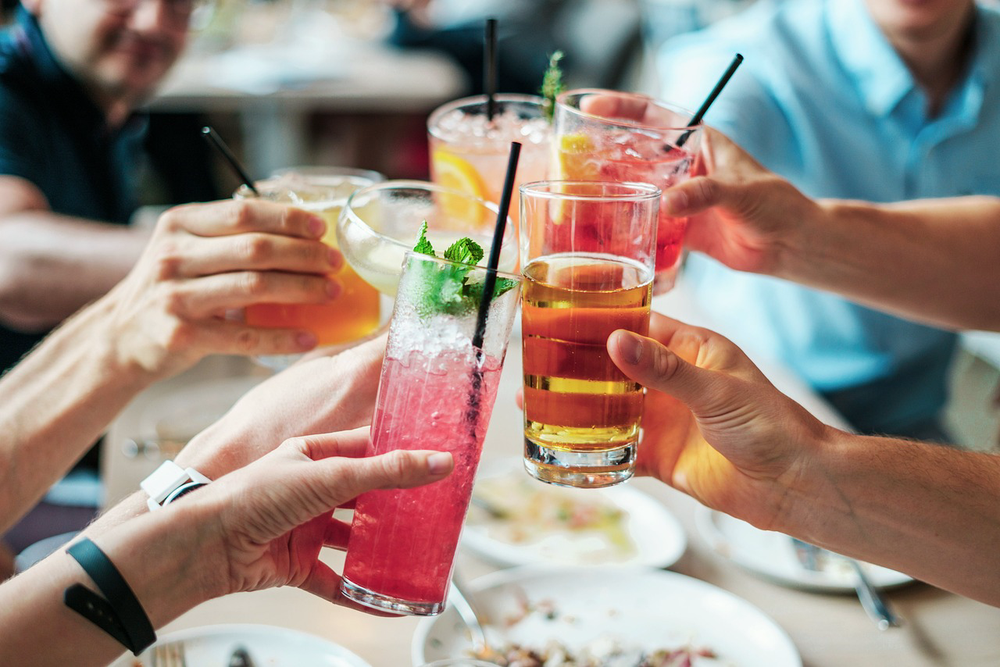
You carefully choose your sleep supplement, take it at the right time, and dim the lights an hour before bed. But you might be unwittingly sabotaging your own efforts with something as simple as what’s in your glass. One common beverage can directly interfere with how your body processes a wide range of sleep aids, rendering them far less effective—or even useless.
That drink is alcohol. While a nightcap is often thought of as a sleep inducer, the reality is far more complicated. Alcohol’s interaction with sleep supplements and the body’s natural sleep architecture is a recipe for restless, fragmented rest.
Why Alcohol Clashes with Your Sleep Supplement
Many popular sleep supplements—those containing melatonin, magnesium, glycine, or herbal ingredients like valerian root and chamomile—work by gently encouraging the body’s natural sleep pathways. Alcohol, on the other hand, is a central nervous system depressant that floods the brain with GABA, the same neurotransmitter many calming supplements aim to influence.
When you combine the two, the effects aren't additive; they're disruptive. The liver prioritizes metabolizing alcohol over other compounds. This can alter how quickly your body absorbs and breaks down your supplement, meaning you get less of the active ingredient when you need it most. For supplements that rely on timing, such as controlled-release melatonin, this interference can throw off the entire rhythm.
Think of it this way: your body treats alcohol as a toxin that needs immediate attention. Everything else—including your carefully chosen sleep aid—gets put on hold.
The Nightcap Myth: Falling Asleep vs. Staying Asleep
It’s true that a drink can make you feel drowsy initially. Alcohol’s sedative effect can shorten the time it takes to fall asleep. However, this is where the illusion ends. As your body metabolizes the alcohol, it triggers a rebound effect. Blood sugar can fluctuate, and the brain enters a lighter, more easily disturbed stage of sleep.
This often leads to waking up in the middle of the night, a phenomenon sometimes called “hangover wakefulness.” The deep, restorative slow-wave sleep and the important REM (rapid eye movement) stage are both suppressed. Even if you take a sleep supplement, you are unlikely to spend enough time in the stages of sleep that actually restore your brain and body.
Specific Interactions to Know
Melatonin and Alcohol
Melatonin is the hormone that signals to your body that it’s time to sleep. Alcohol disrupts the natural production of melatonin in the brain. Taking a melatonin supplement alongside alcohol creates a chaotic signal. You might get a short-term sedative effect, but your body’s internal clock (circadian rhythm) gets confused, leading to poor-quality sleep and grogginess the next day.
Magnesium and Glycine-Based Supplements
Magnesium and glycine are known for their calming effects on the nervous system and muscles. Alcohol acts as a diuretic, increasing urine production. This can flush magnesium out of your system before it has a chance to work, potentially worsening the muscle tension or restlessness you were trying to relieve. Glycine, which helps lower body temperature for sleep, is also affected by the metabolic changes alcohol introduces.
Herbal Supplements (Valerian, Chamomile, L-Theanine)
These are generally gentler, but they share metabolic pathways in the liver. When alcohol is present, the liver works overtime, which can prevent the calming compounds from reaching effective levels in the bloodstream. The result is you may not feel the intended relaxation effect at all.
How Long Should You Wait?
The general rule of thumb is to allow your body enough time to process alcohol before taking a sleep supplement. A healthy liver can metabolize roughly one standard drink per hour. For most people, this means stopping alcohol consumption at least 3 to 4 hours before bedtime.
Your best approach is to skip the nightcap entirely on nights you plan to use a sleep supplement. If you are attending an event where you will have a drink, it may be wiser to skip the supplement that night rather than combining the two. One night of natural, slightly disrupted sleep is often better than the artificially suppressed sleep that comes from mixing alcohol with a sleep aid.
Practical Takeaways for Better Sleep
- Create a non-alcoholic wind-down ritual. Replace the nightcap with a warm cup of herbal tea like chamomile or passionflower, or simply a glass of water with a slice of lemon.
- Check supplement labels. Many labels contain a warning about alcohol consumption. Pay attention to it—it’s there for a reason.
- Talk to your healthcare provider. If you are unsure about the interactions between your specific supplement and alcohol, a conversation with your doctor or a pharmacist is the safest step.
The path to good sleep is built on consistency. A single drink might seem harmless, but for your sleep supplement to work as intended, it needs a clear path. Alcohol blocks that path. If you want your supplement to have its best chance, keep the glass—and the bottle—off the nightstand.