
The modern mind is under constant siege from choices. From the moment the alarm goes off—snooze or rise? Coffee or tea? What to wear?—your brain is burning through its finite supply of mental energy. This isn't just a metaphor; it's a neurobiological reality called decision fatigue. When your cognitive reserves run low, even trivial choices (like what's for lunch) can feel paralyzing. While rest and systems help, dietitians point to a less obvious lever: the food you eat matters profoundly for brain stamina.
Certain nutrients directly support the neurotransmitters and energy pathways that govern willpower, focus, and mental endurance. Here are six foods, backed by dietitians, that can help steady your mental energy and soften the edges of decision fatigue—no meal prep required (though we won't judge if you batch-cook them).
1. Oats: Steady Fuel for the Prefrontal Cortex
The prefrontal cortex—the CEO of your brain—runs almost exclusively on glucose, but not the kind that spikes and crashes. Oats provide a low-glycemic, steady release of energy. Dietitians often recommend a bowl of rolled oats because the soluble fiber (beta-glucan) slows digestion, preventing the blood sugar rollercoaster that leaves you irritable and foggy by 11 a.m.
“A stable blood sugar level is the foundation of stable decision-making,” explains registered dietitian Nora Minno. “Oats give you that plateau of mental clarity instead of a spike and a hard drop.”
2. Fatty Fish: Omega-3s for Neuronal Resilience
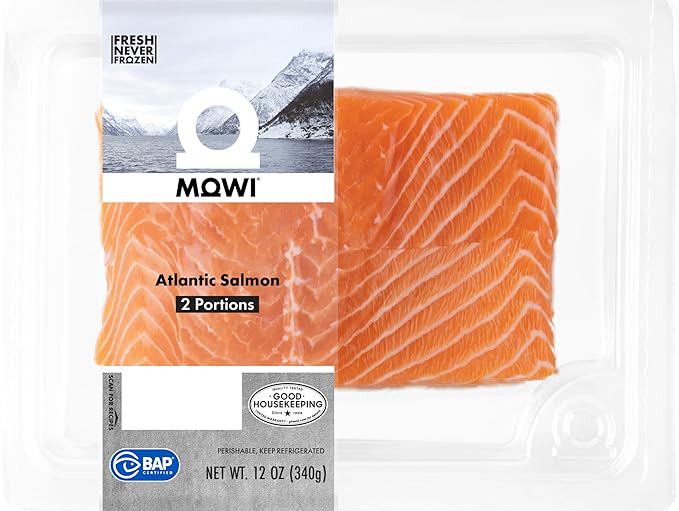
When your brain is fatigued from constant deliberation, inflammation often plays a role. Omega-3 fatty acids—specifically EPA and DHA found in salmon, mackerel, and sardines—are structural components of brain cell membranes and potent anti-inflammatory agents. Dietitians note that chronic low-level inflammation impairs cognitive flexibility, which is essential for weighing options effectively.
The DHA Decision Link
DHA (docosahexaenoic acid) is particularly concentrated in the prefrontal cortex. A diet rich in fatty fish supports the integrity of neurons responsible for impulse control and future-oriented thinking. Even two servings per week can shore up your cognitive resilience, making each decision feel less like a tax on a depleted account.
3. Dark Chocolate: Flavonoids for Cerebral Blood Flow
Decision fatigue often coincides with mental sluggishness—that feeling of staring at a menu or an inbox without being able to parse options. Dark chocolate (70% cacao or higher) contains flavonoids that improve blood flow to the brain. More oxygen and nutrients reaching the prefrontal cortex can mean sharper mental processing during that afternoon slump.
Dietitians aren't prescribing a whole bar. A one-ounce square provides a measurable cognitive lift without the sugar crash of milk chocolate. The small amount of caffeine also nudges alertness, but the real star is the antioxidant boost that helps clear metabolic byproducts of mental work.
4. Leafy Greens: Folate for Neurotransmitter Production
Your brain's ability to synthesize dopamine and serotonin—key players in motivation and mood stability—depends on adequate folate (vitamin B9). Spinach, kale, and Swiss chard are dense sources. When folate levels are low, the synthesis of these neurotransmitters slows, leaving you less able to muster the willpower to make even simple choices.
One large study found that older adults with higher blood folate levels had faster information-processing speed and better executive function. Dietitians often point to a daily salad or a handful of spinach in a smoothie as a low-effort way to ensure this critical cofactor is available for your brain's chemistry lab.
5. Eggs: Choline for Acetylcholine (The Focus Molecule)
Acetylcholine is the neurotransmitter that governs focus and attention. Without it, your brain drifts, making decisions feel heavier. Eggs—specifically the yolks—are the richest dietary source of choline, the precursor to acetylcholine. Dietitians emphasize that you need the whole egg, not just the white, to get this benefit.
Eating eggs at breakfast has been shown in studies to sustain cognitive performance through the morning, the period when many of us face the bulk of our daily decisions. Choline also supports cell membrane flexibility, which helps neurons fire more efficiently as the day wears on.
6. Blueberries: A Direct Brain Save
Flavonoids again, but a different type. The anthocyanins in blueberries (the pigments that make them blue) have been shown in research to improve neuronal signaling and delay cognitive fatigue. In one trial, middle-aged adults who consumed half a cup of blueberries daily performed better on tasks requiring sustained attention and decision switching.
Frozen blueberries work just as well as fresh, which is helpful for decision-weary minds that don't have the bandwidth for careful produce selection. They're a low-friction way to add antioxidant support directly to the circuitry that powers choice-making.
How to Use These Foods Without Adding More Decisions
The irony of recommending foods for decision fatigue is that it asks you to make more choices. To avoid that trap, dietitians recommend simple patterns:
- Make breakfast predictable: Set a rotation of oatmeal with blueberries or eggs with spinach. Eliminate the morning choice.
- Prepare ahead: Hard-boil eggs for the week. Wash greens in bulk. Keep frozen blueberries and canned salmon on hand.
- Stack habits: Pair a dark chocolate square with your afternoon tea as a ritual, not a decision.
“The point isn't to obsess over every meal,” says dietitian Miranda Galati. “It's to have a few brain-supporting staples you don't have to think about—so you can save your cognitive energy for the decisions that actually matter.”
Decision fatigue is not something you can completely eliminate. It's a sign of an engaged, problem-solving brain. But you can slow its onset and soften its impact by feeding your neurons what they need. That's a choice that pays dividends for every other choice you'll make today.