
A Practical Explainer of Sleep Anxiety: Symptoms, Triggers, and Coping Tools
Learn what sleep anxiety feels like, common triggers like stress and poor sleep hygiene, and practical coping tools including worry time, breathing exercises, and CBT-I.
Discover articles, guides, and practical insights for a healthier lifestyle.
Learn what sleep anxiety feels like, common triggers like stress and poor sleep hygiene, and practical coping tools including worry time, breathing exercises, and CBT-I.
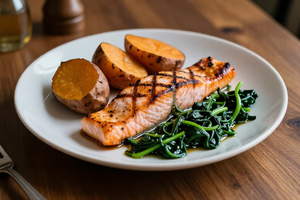
Research shows that specific nutrients like magnesium, tryptophan, and omega-3s can help calm the brain at night. Here's what to eat for dinner to reduce sleep anxiety.

Four subtle daily habits—mental scorekeeping, absolute language, stonewalling, and debate-mode—that silently escalate minor disagreements into long-term emotional strain. Practical shifts to protect your relationships.

Therapist-approved guide to phrases and patterns that damage relationships during arguments. Learn what not to say in a fight and how to communicate better.

After a heated argument, some drinks keep your nervous system on high alert. Learn why coffee, alcohol, and sugary sodas can disrupt emotional recovery — and what to drink instead.

Restless leg syndrome during sleep is often driven by low iron stores, genetics, or nerve issues. Learn the three most common causes and how to address them.
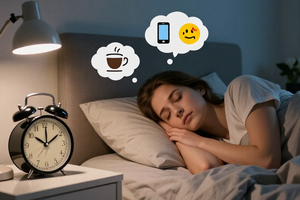
Identify the six most common causes of insomnia, from caffeine timing and stress to screen use and health conditions. Simple, evidence-based explanations to help you sleep better.

How to tell the difference between everyday worry and an anxiety disorder. Recognize the signs, when worry becomes excessive, and when to seek professional help.

Occasional sleeplessness is normal, but these five warning signs suggest your nighttime worry may require professional support for your mental health.


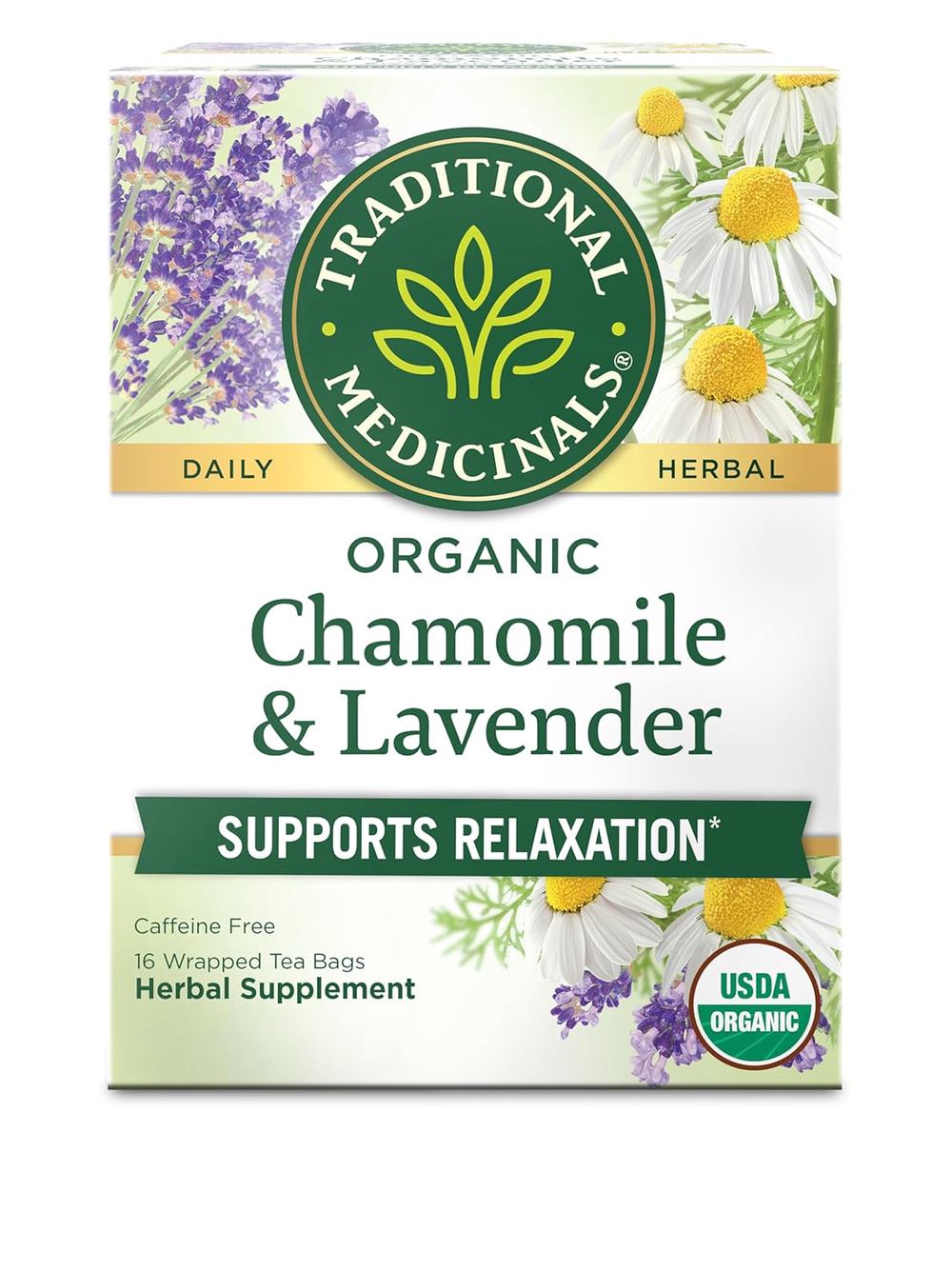
Traditional Medicinals Organic, Chamomile & Lavender - Chamomile Tea Supporting Stress Relief and Relaxation - Kosher, Non-GMO, Caffeine-Free, Compostable - 16 Tea Bags
Check it out

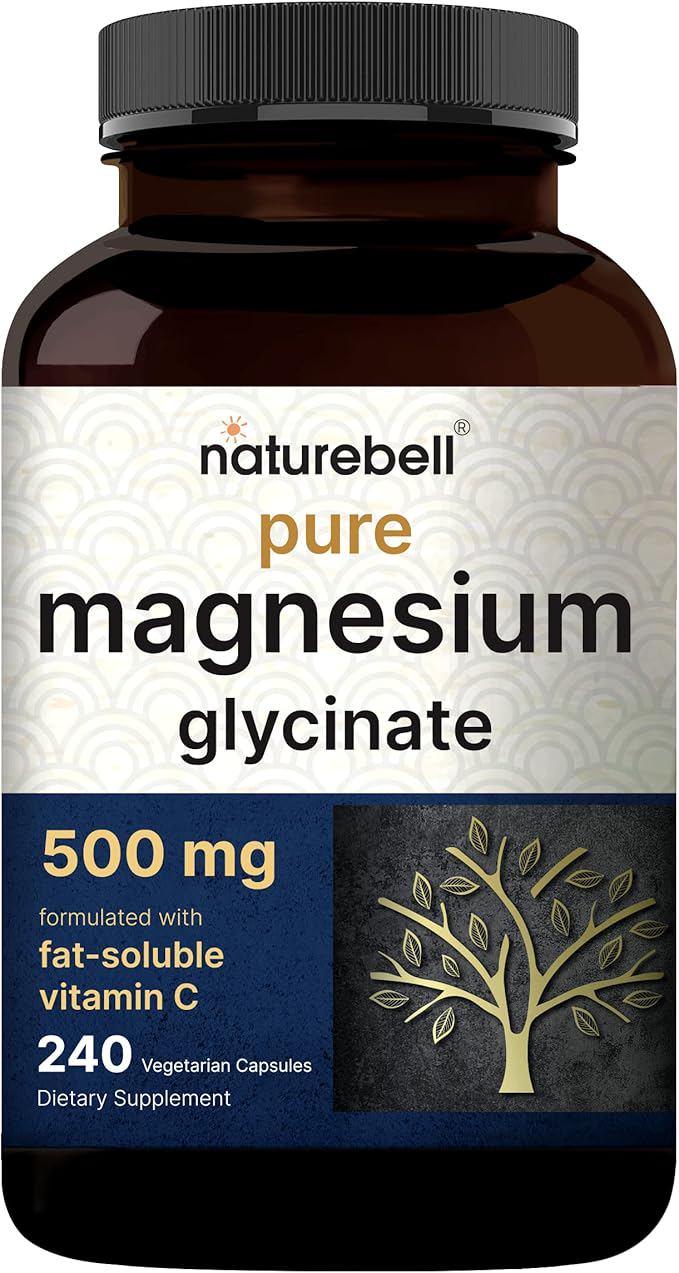
Naturebell Pure Magnesium Glycinate 500mg, 240 Veggie Capsules | 100% Chelated & Purified – 3rd Party Tested | Support Stress Relief, Sleep, Heart Health, Nerves, Muscles, and Metabolism*
Check it out